Gautamiputra Satakarni
2017
No user ratings available yet
Representation score: 2.1 out of 10
Representation Score
Fair
2019
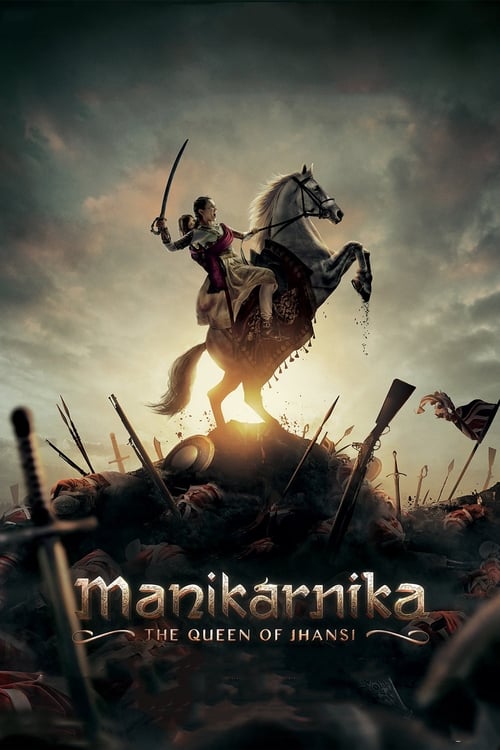
Not RatedDirector
Kangana Ranaut, Radha Krishna Jagarlamudi
Runtime
148 minutes
Average Rating
No ratings yetNew Showbiz Analysis
Manikarnika is a powerful post-colonial narrative that effectively challenges Western historical dominance. By focusing on the Indian Rebellion of 1857, the film offers a sophisticated critique of imperialist structures rather than a simple conflict story. The film excels in gender and racial representation. It replaces submissive femininity with martial leadership and ensures the indigenous population drives the liberation narrative without external intervention. While the film lacks LGBTQ+ representation and disability visibility, its intentional deconstruction of colonial frameworks makes it a significant work of historical resistance.
Category Breakdown
The film follows traditional 19th-century social structures, focusing on domestic and military roles. There are no representations of non-straight or non-cisgender identities, nor does it critique the assumption that everyone is straight or cisgender.
Rani Lakshmibai challenges traditional hierarchies by becoming a actively leading military leader. The film overturns patriarchal expectations by showing her as a primary strategist and military force.
The film centers a non-Western perspective with a predominantly Indian cast. It avoids the white savior cliché by giving full control to the indigenous population in their fight for liberation.
The narrative portrays Western institutional expansion as a corrupt, oppressive system. Religious symbols serve as tools of cultural identity and resistance against Western dominance and imperialism.
There is no significant depiction of visible or invisible disabilities within the film.
Present on Screen
Limited or Absent
Official Synopsis
Story of Rani Lakshmibai, one of the leading figures of the Indian Rebellion of 1857 and her resistance to the British Rule.
2017

2020
2019
2019
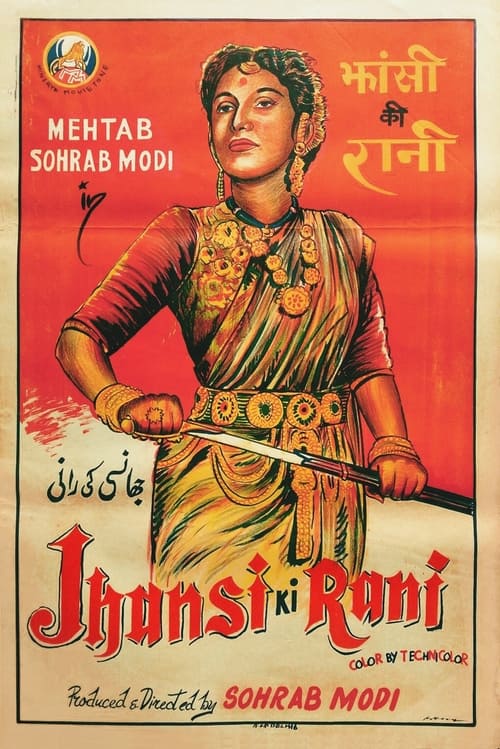
1953
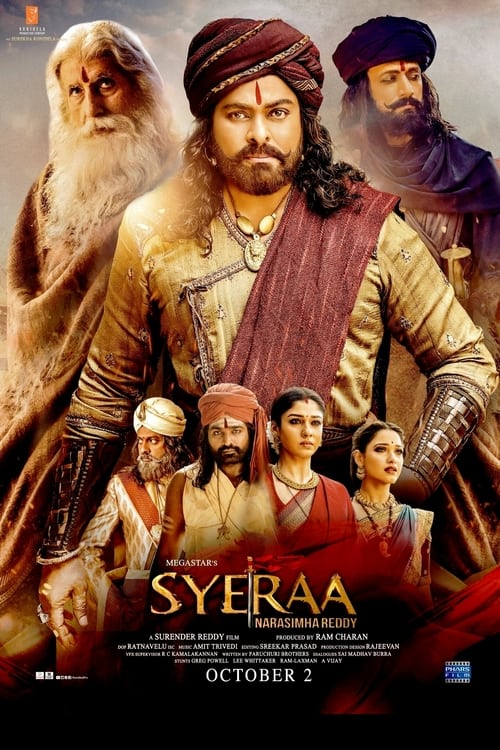
2019

2012
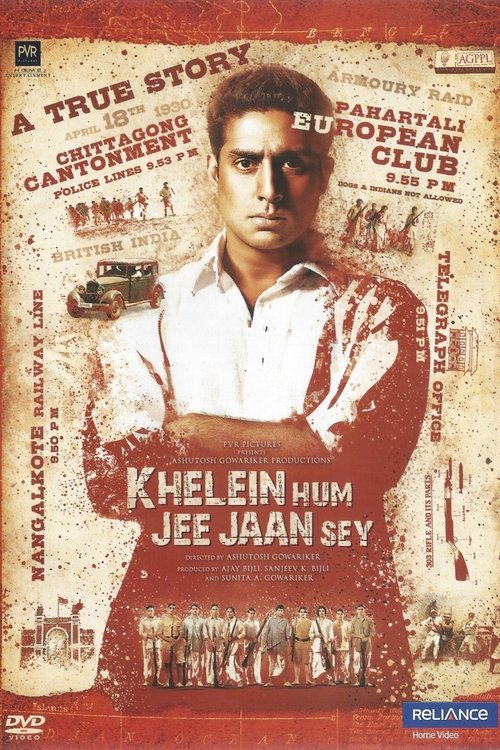
2010
No reviews yet. Be the first to share your thoughts on this movie!
Use the rating form above to leave a star rating and optional review.