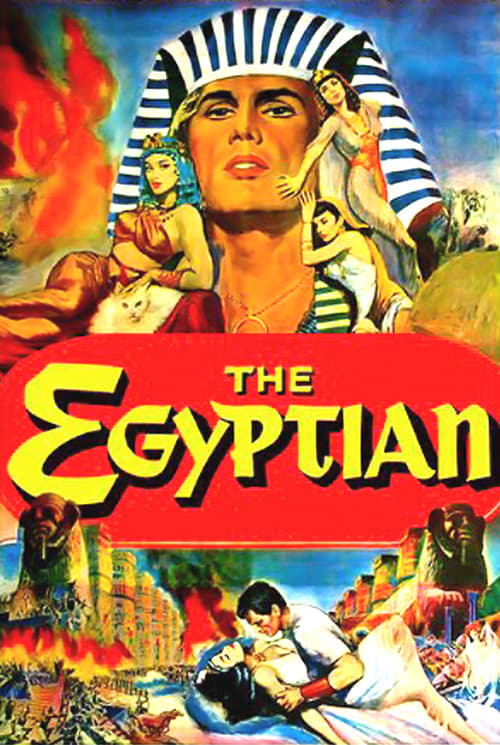
The Egyptian
1954
No user ratings available yet
Diversity score: 4.4 out of 10

2016
Director
Huo Jianqi
Runtime
119 minutes
Average Rating
No ratings yetSynopsis
Chinese-Indian historical adventure of Xuan Zang's seventeen-year overland journey to India during the Tang dynasty in the seventh century.
Overall Score
Fair
Category Breakdown
LGBTQ+ Representation
The film focuses on a historical religious pilgrimage. There is no evidence of non-cisnormative gender identities or narratives that critique heteronormativity.
Gender Representation
The seventh-century setting suggests a framework governed by traditional Tang Dynasty social structures. The film likely reflects traditional gender roles common in historical epics.
Racial & Ethnic Diversity
The Chinese-Indian adventure inherently facilitates cross-cultural engagement. The journey necessitates depicting diverse ethnic groups and navigating different cultural landscapes.
Religious & Cultural Diversity
The narrative is deeply rooted in Buddhist tradition. It follows a spiritual quest that aligns with traditional spiritual frameworks rather than critiquing them.
Disability Representation
There is no specific evidence regarding the portrayal of physical or neurodivergent characters.
Strengths
Areas for Improvement
AI Analysis
Xuan Zang serves as a historical epic that breaks away from Western-centric storytelling by centering a Chinese-Indian journey. This setting provides a natural foundation for ethnic and cross-cultural diversity as the protagonist moves through different landscapes. However, the film remains tethered to the social hierarchies of the seventh century. It appears to reflect the period's traditional structures rather than attempting to subvert them through progressive themes of gender or sexuality. Ultimately, the film offers meaningful representation of non-Anglo-Saxon identities but lacks evidence of institutional critique or modern social deconstruction.
1954

2011
2017
2015

2013

2015

2020
2008
2001

2017

1976
2008
No reviews yet. Be the first to share your thoughts on this movie!
Use the rating form above to leave a star rating and optional review.