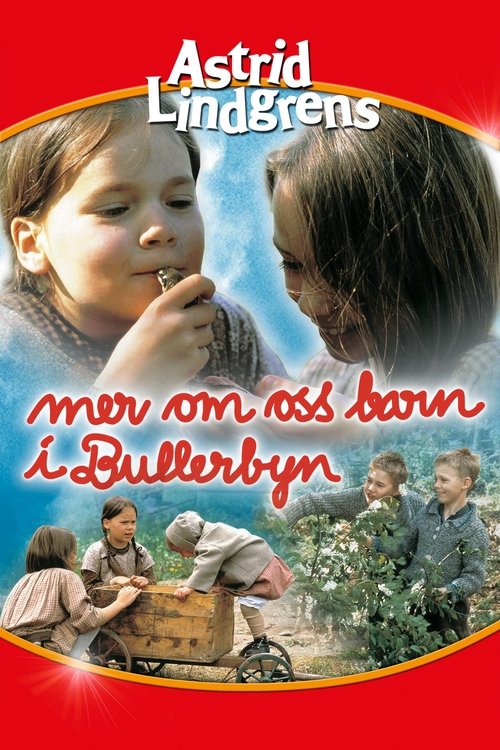
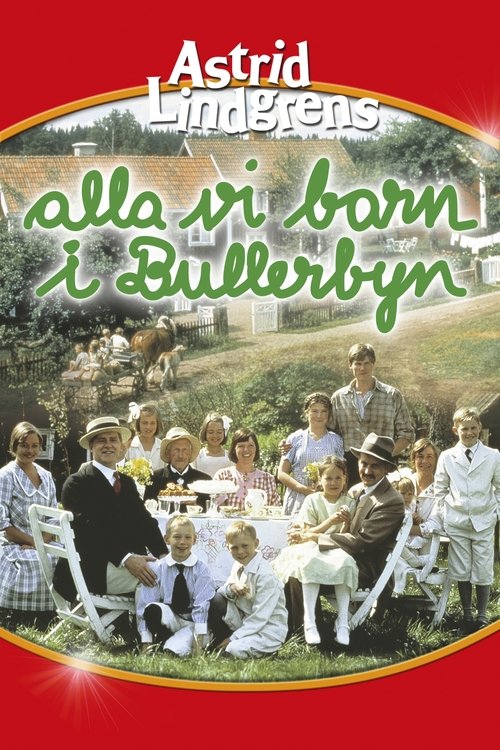
More About the Children of Noisy Village
1987
No user ratings available yet
Representation score: 3.3 out of 10
Representation Score
Fair
1986
Director
Lasse Hallström
Runtime
90 minutes
Average Rating
No ratings yetNew Showbiz Analysis
Lasse Hallström’s film is a naturalistic, period-specific portrait of childhood innocence set in a Swedish village. It functions as a localized study of rural life, prioritizing the rhythms of everyday existence over broader social critiques. The production adheres strictly to the demographic and social norms of its mid-80s setting, avoiding harmful stereotypes but lacking the multi-layered complexity required for a higher diversity rating by modern standards. Ultimately, the film is a culturally specific drama that captures a specific time and place rather than engaging with broader identity politics.
Category Breakdown
The film focuses on childhood development in a rural Swedish setting and does not include any representation of LGBTQ+ identities or narratives that challenge the assumption that everyone is straight or cisgender.
It presents a naturalistic view of gendered play and social interaction among children. While it avoids rigid adult patriarchal structures, it does not actively seek to challenge traditional gender hierarchies.
The cast is ethnically homogeneous, reflecting the historical and demographic reality of the Swedish village. It lacks the diverse representation found in more contemporary, globalized productions.
This pastoral drama celebrates a traditional, communal way of life. It avoids overt religious indoctrination but does not deconstruct Western institutions from a postmodern perspective.
There is no significant focus on physical or neurodivergent disabilities. Characters are portrayed through a lens of typical childhood development without using disability as a plot device.
Present on Screen
Limited or Absent
Official Synopsis
The story of the children who live in Bullerbyn, Sweden, through the spring and summer months.
1987
1970
1994
1969
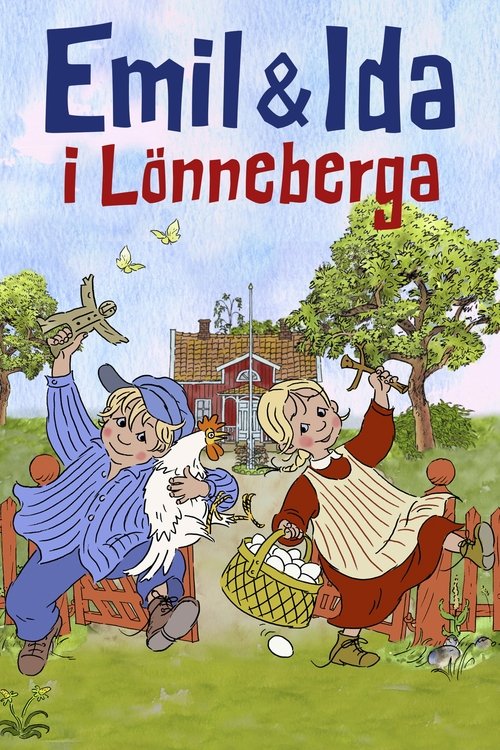
2013
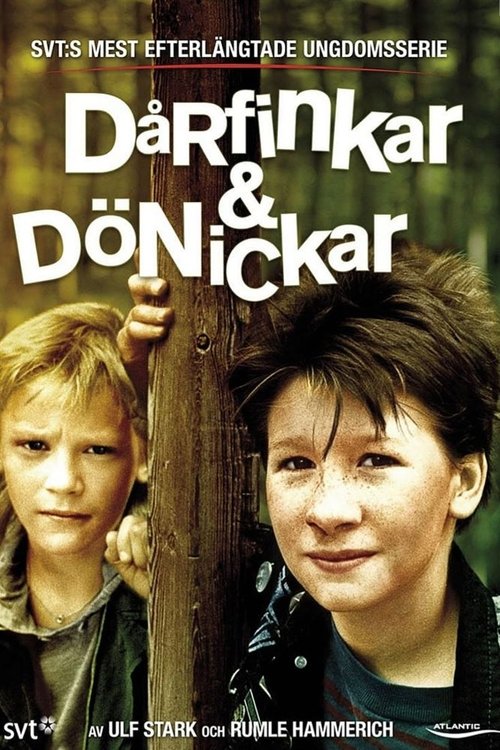
1988
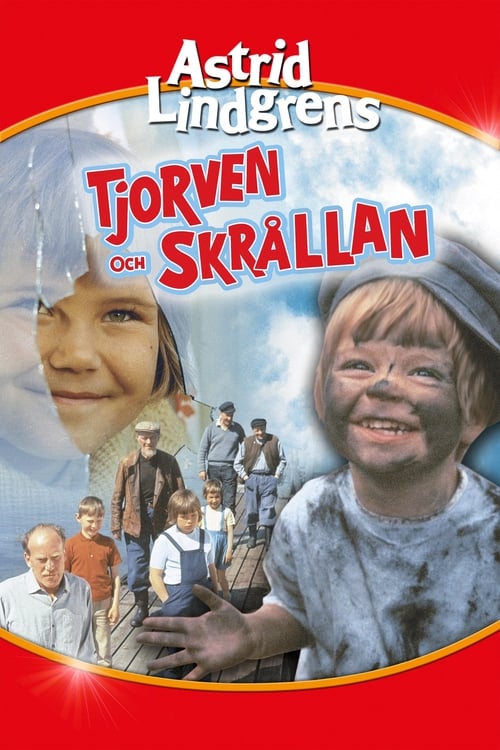
1965
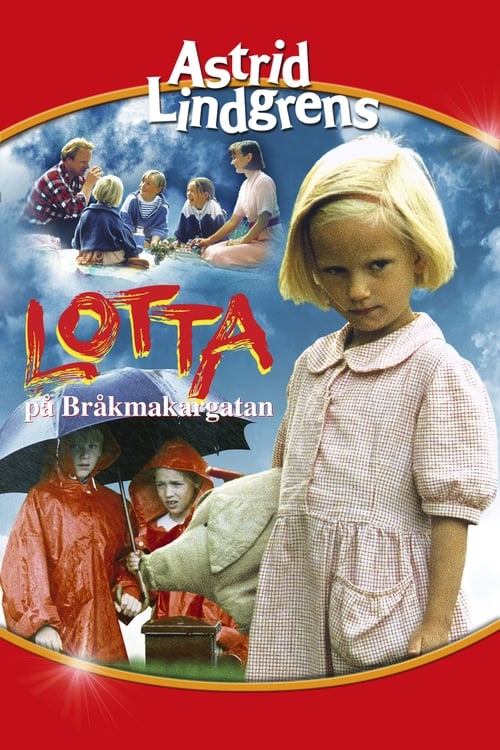
1992
No reviews yet. Be the first to share your thoughts on this movie!
Use the rating form above to leave a star rating and optional review.