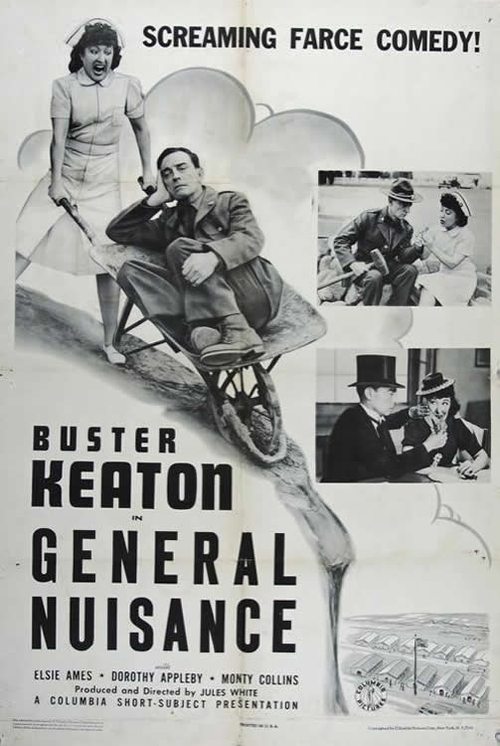
General Nuisance
1941
No user ratings available yet
Representation score: 1.4 out of 10
Representation Score
Minimal
1942
PassedDirector
Eugene Forde
Runtime
74 minutes
Average Rating
No ratings yetNew Showbiz Analysis
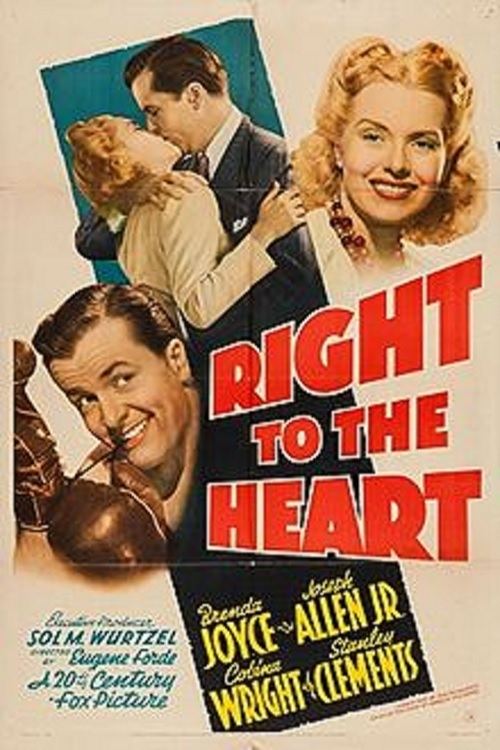
Right to the Heart is a classic 1940s comedy-romance that centers on a traditional masculine redemption arc. The narrative focuses on a man regaining his honor through physical conflict, reinforcing the era's traditional gender roles and social hierarchies. The film reflects the period's emphasis on homogeneity, focusing on white, upper-class individuals without introducing diverse racial or cultural perspectives. It adheres strictly to the traditional romantic structures common to early studio-era productions. Overall, the film upholds established social norms without challenging them. It lacks the intention to disrupt the status quo regarding gender, race, or identity.
Category Breakdown
The film follows a typical romantic storyline between a man and a woman from high society. It doesn't include any characters with non-traditional gender identities or challenge the idea that everyone is straight.
The plot revolves around a male character who redeems himself through physical combat. The female lead motivates him, but the story emphasizes traditional ideas of male strength and dominance.
The setting focuses on high society, which traditionally had a homogeneous, Anglo-Saxon makeup. There is no indication of a diverse cast or varied ethnic backgrounds.
The themes center on personal honor and social standing within a structured hierarchy. The narrative aligns with the traditional values of early 20th-century Western society.
The story does not mention any characters dealing with physical or neurodevelopmental disabilities.
Present on Screen
Limited or Absent
Official Synopsis
John T. Bromley III is a young man from high society who is physically humiliated by a prizefighter before his socialite sweetheart, Jenny Killian. He goes to a training camp to redeem his self-respect and ensure his success in a return engagement with the fighter.
1941
1934
1946
1926
1937
1927
1936
1940
No reviews yet. Be the first to share your thoughts on this movie!
Use the rating form above to leave a star rating and optional review.