
Revizorro
1996
No user ratings available yet
Diversity score: 4.3 out of 10
1954
Director
Sică Alexandrescu, Victor Iliu
Runtime
135 minutes
Average Rating
No ratings yetSynopsis
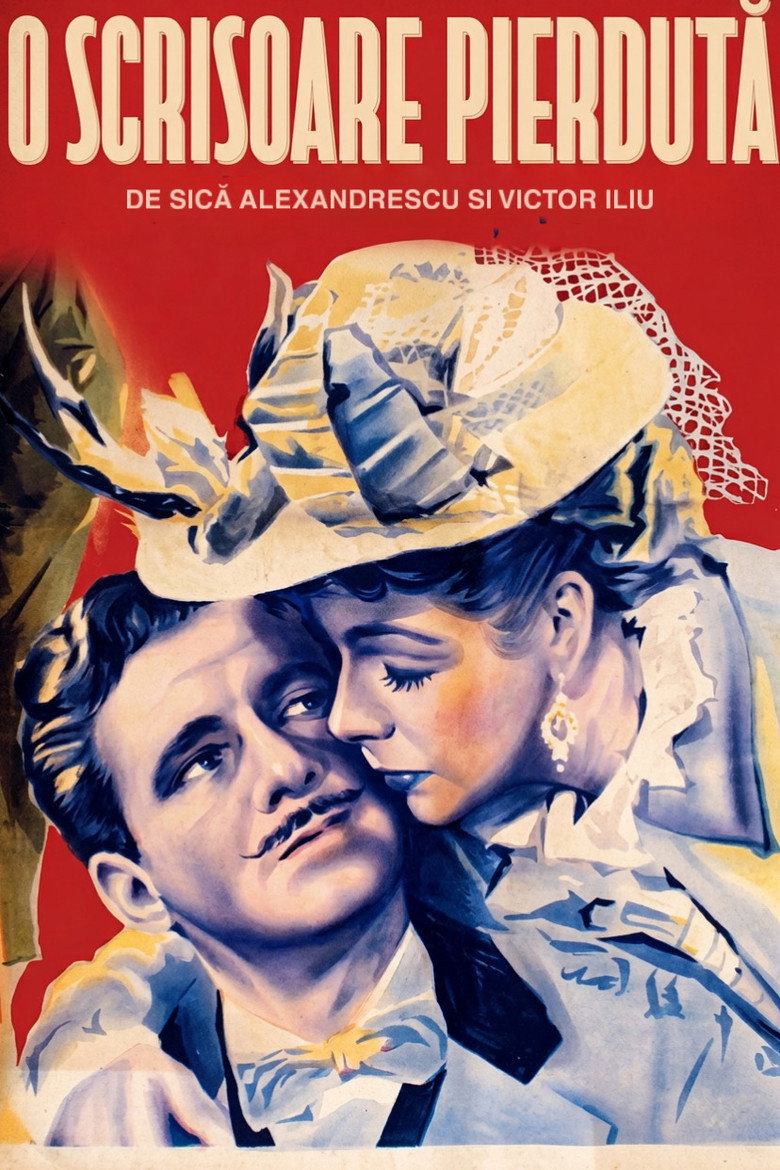
The plot take place in 1883 in a small provincial town in Romania, where the corrupt establishment decide everything, including - of course - who will be the "elected" representative to the national Senate. A love letter from the bachelor mayor to the wife of the local party chief, gets lost and found by a drunk party supporter. The letter finds its way to the opposition party, which decide to use the letter by blackmailing the powerful local "camarilla", and to get his own man to represent the county. What follows is not easy to guess....
Overall Score
Fair
Category Breakdown
LGBTQ+ Representation
The film lacks LGBTQ+ characters or non-heteronormative identities. The plot relies on traditional romantic tropes involving a bachelor mayor and a married woman.
Gender Representation
Political agency is concentrated among male figures like the mayor and party chief. While women act as plot catalysts, they operate within a patriarchal hierarchy.
Racial & Ethnic Diversity
Set in 1883 provincial Romania, the cast is ethnically homogeneous. The film reflects the demographic realities and cinematic conventions of mid-20th-century Romanian production.
Religious & Cultural Diversity
The film excels in systemic critique, using satire to dismantle the corrupt establishment. It portrays local institutions as tools for blackmail rather than public service.
Disability Representation
There is no evidence regarding the portrayal of physical or neurodivergent disabilities in this work.
Strengths
Areas for Improvement
AI Analysis
A Lost Letter is a satirical comedy that prioritizes institutional critique over demographic variety. Its strength lies in its sharp deconstruction of political corruption and the 'camarilla' system. By portraying the establishment as deceptive, the film offers a cynical, effective look at provincial governance. However, the film is limited by its period setting and the era's production constraints. The cast is ethnically homogeneous, and the narrative follows traditional heteronormative romantic structures. While women drive the plot's mechanics, they lack independent political agency. Ultimately, the film's value is found in its cultural commentary rather than its representation of diverse identities. It functions as a biting social satire that challenges authority through the lens of a corrupt, male-dominated society.
1996

1954

1987

2012
1952

1990

1962

1940

2010

1986

2022

1980
No reviews yet. Be the first to share your thoughts on this movie!
Use the rating form above to leave a star rating and optional review.