Den enskilde medborgaren
2006
No user ratings available yet
Diversity score: 4.1 out of 10
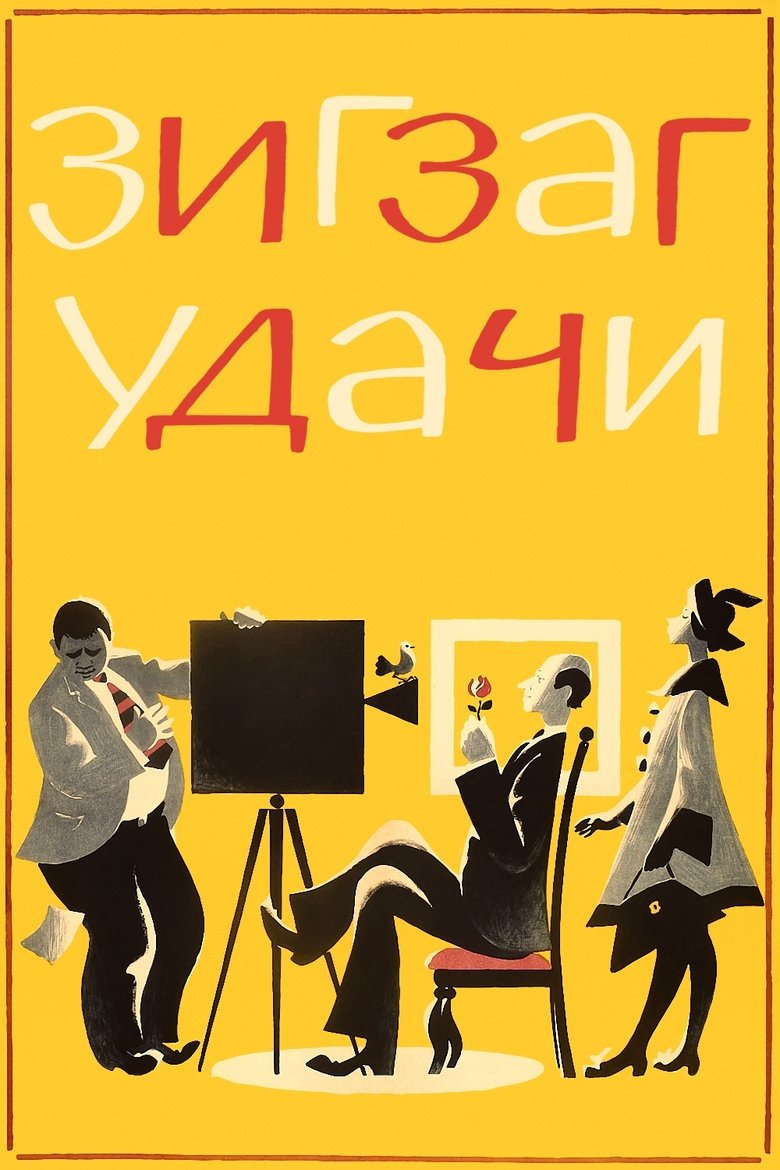
1968
Director
Eldar Ryazanov
Runtime
88 minutes
Average Rating
No ratings yetSynopsis
Photo studio "Contemporary" in a provincial town lives with its everyday problems. The director is concerned over the failure to fulfill the planned targets, receptionist Alevtina wants to get married, and photographer Vladimir Oreshnikov dreams of becoming a professional photographer. But suddenly luck smiles on Oreshnikov. He takes 20 rubles form the worker's mutual aid fund, buys a government lottery bond and wins 10,000 rubles. Oreshnikov wants to receive the win himself, but his colleagues object to him, because the money that he spent on the bond were public, hence the win should be divided equally among all workers. It creates a controversial situation, which is successfully resolved on the very eve of the New Year, under the chiming clock...
Overall Score
Fair
Category Breakdown
LGBTQ+ Representation
The film lacks explicit LGBTQ+ characters or narratives. The story focuses on traditional social aspirations, such as Alevtina's desire for marriage, within conventional frameworks.
Gender Representation
Gender roles follow a standard division of labor. The male protagonist pursues professional and financial agency, while the female lead's goals are centered on domestic and relational integration.
Racial & Ethnic Diversity
The production reflects the ethnic homogeneity typical of a Soviet-era provincial setting. There is no evidence of multi-ethnic casting intended to disrupt regional demographic norms.
Religious & Cultural Diversity
The narrative explores the tension between individual luck and collectivist ethics. It critiques the friction between personal windfall and the communal mutual aid fund.
Disability Representation
There is no mention of characters with visible or invisible disabilities. The film does not address neurodivergent or physically disabled individuals.
Strengths
Areas for Improvement
AI Analysis
Zigzag of Success is a social satire that prioritizes the ethical friction between the individual and the collective over intersectional representation. The narrative architecture focuses on the tension between personal windfall and socialist morality. While the film offers a sophisticated look at communal living and bureaucratic absurdity, it operates within the traditional social frameworks of its era. It lacks the breadth of modern progressive cinema regarding identity-based representation. Ultimately, the film's strength lies in its cultural critique of state-mandated productivity and shared resources rather than its diversity of character identities.
2006
1963

1978
1978

1964

1986

1991
2005

1984

1976
1970
1971
No reviews yet. Be the first to share your thoughts on this movie!
Use the rating form above to leave a star rating and optional review.