Adventure in Sahara
1938
No user ratings available yet
Diversity score: 2.1 out of 10
1946
NRDirector
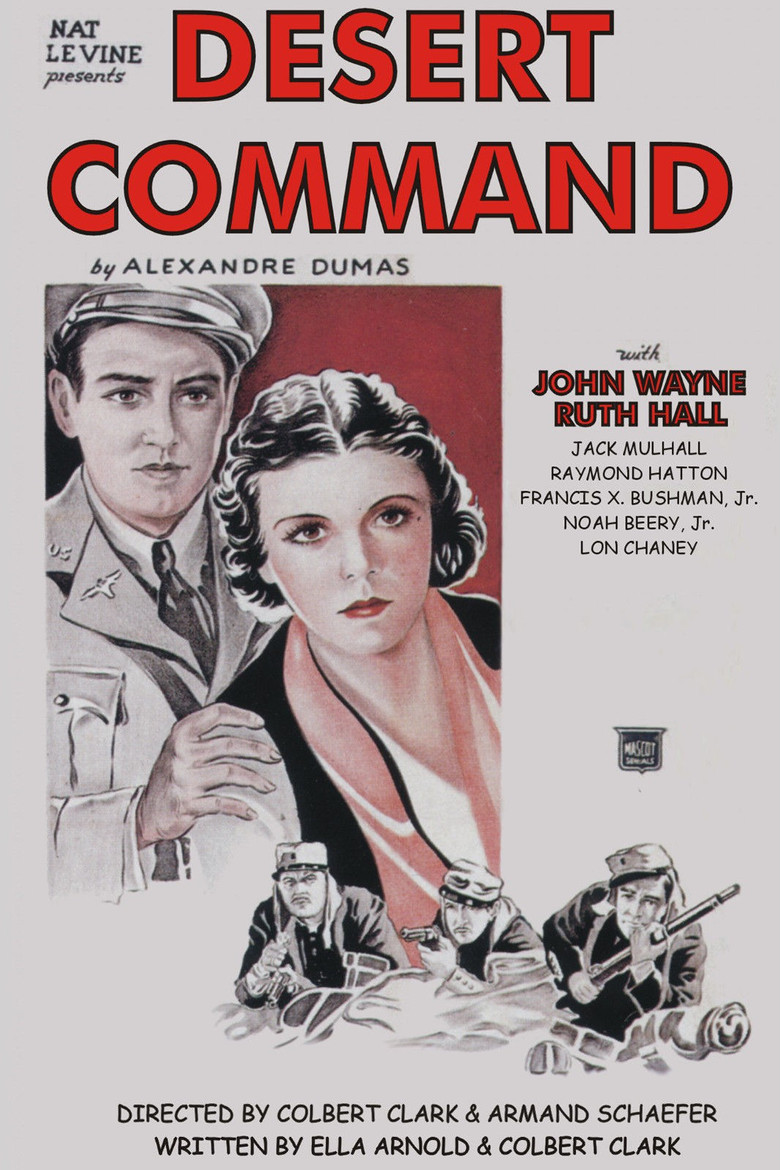
Colbert Clark, Armand Schaefer
Runtime
72 minutes
Average Rating
No ratings yetSynopsis
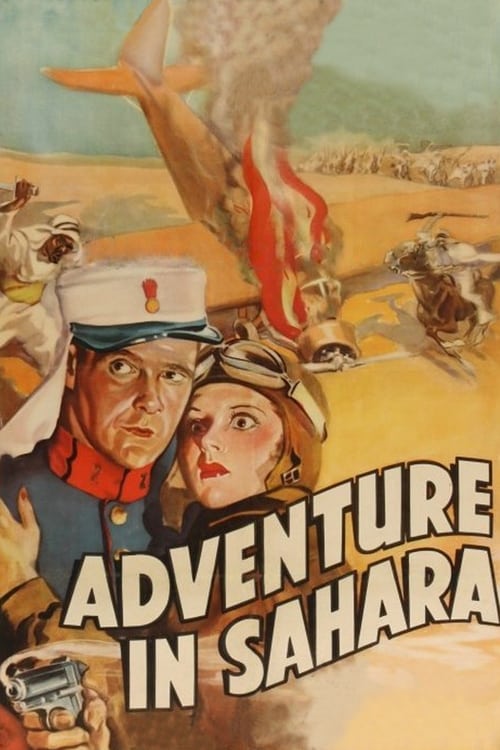
Tom Wayne rescues Clancy, Renard and Schmidt in the Arabian desert and they join him in going after El Shaitan, a bad guy who is never seen as he tries to wipe out the Foreign Legion. Feature version of the movie serial, The Three Musketeers (1934).
Overall Score
Minimal
Category Breakdown
LGBTQ+ Representation
The film adheres to the standard heteronormative social frameworks of 1946. There is no evidence of LGBTQ+ characters or narratives addressing non-cisnormative identities.
Gender Representation
Agency is concentrated in male protagonists like Tom Wayne, Clancy, Renard, and Schmidt. The narrative centers on a male-driven rescue and combat mission without subverting traditional gender roles.
Racial & Ethnic Diversity
While the Arabian desert setting implies a multicultural backdrop, the focus remains on the protagonists' mission. The film likely utilizes conventional era-specific 'othering' of non-Western antagonists.
Religious & Cultural Diversity
The story follows a traditional Western adventure structure with clear moral binaries. It functions as a conventional morality tale typical of mid-century action cinema.
Disability Representation
There is no evidence of characters with physical or neurodivergent disabilities. Such representations were rarely present in this genre during this period.
Strengths
Areas for Improvement
AI Analysis
Desert Command is a quintessential mid-century adventure serial that operates strictly within the social hierarchies of its era. The narrative is driven by a male-centric mission in the Arabian desert, focusing on traditional heroic archetypes. The film lacks intersectional complexity, relying instead on established genre conventions and a Western-centric framework. While the setting suggests a diverse landscape, the character agency remains tied to the primary male protagonists. Ultimately, the production serves as a representative example of 1940s action cinema, reinforcing standard gender roles and moral binaries rather than challenging them.
1938
1950
1934
1953
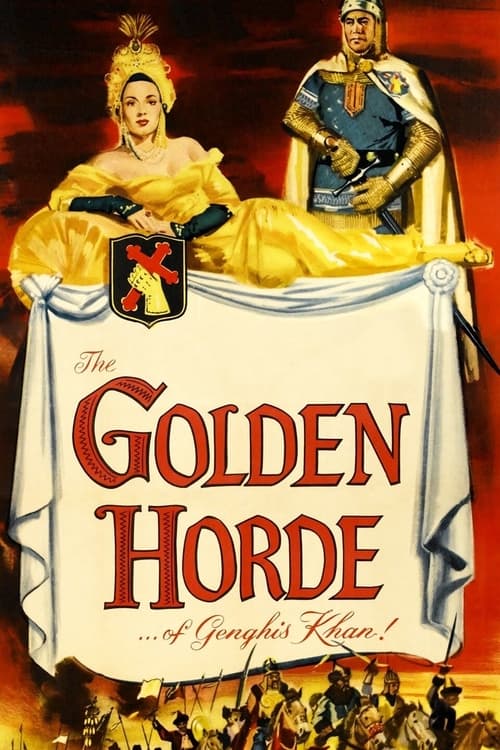
1951
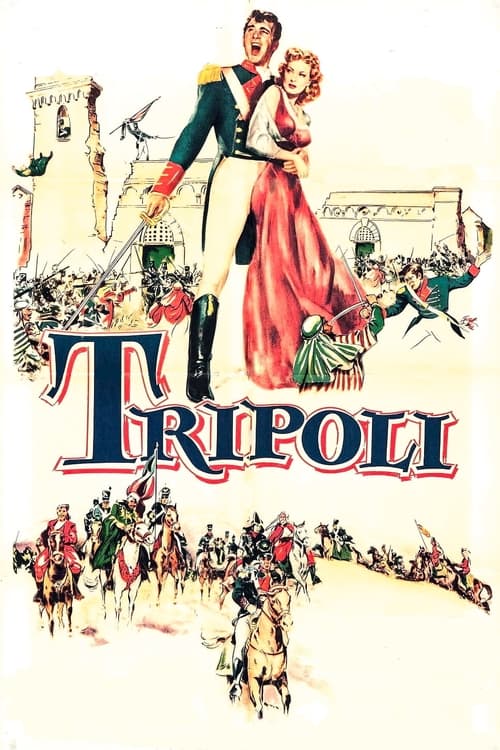
1950
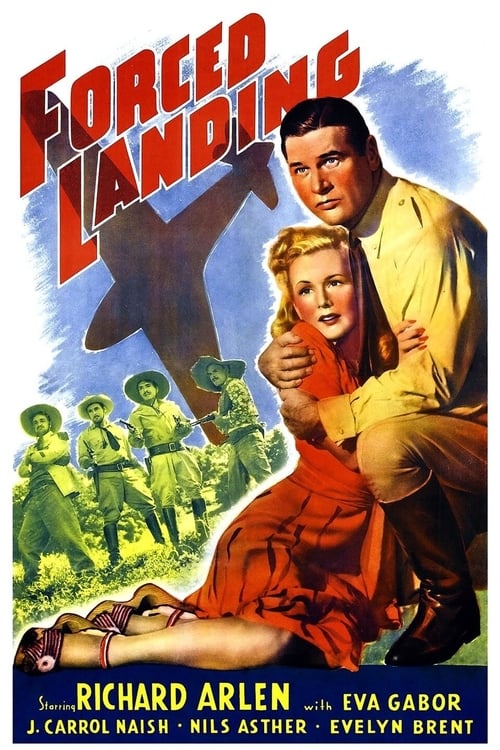
1941

1957

1954

1939
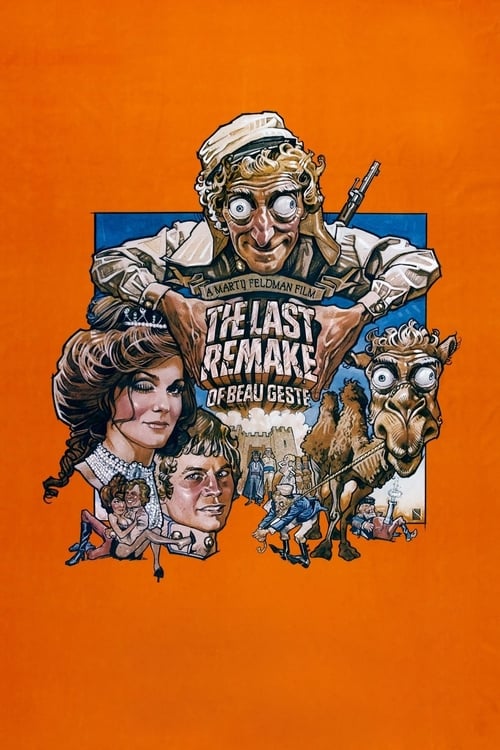
1977
1954
No reviews yet. Be the first to share your thoughts on this movie!
Use the rating form above to leave a star rating and optional review.