That Man from Rio
1964
No user ratings available yet
Representation score: 1.3 out of 10
Representation Score
Minimal
1977
PG-13Director
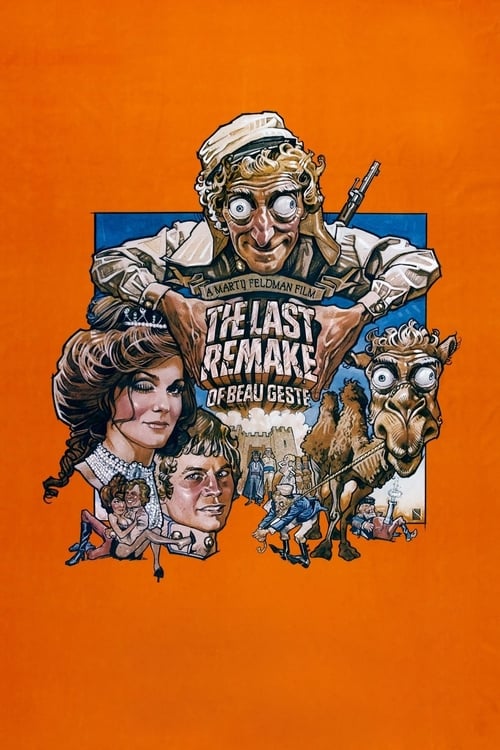
Marty Feldman
Runtime
85 minutes
Average Rating
No ratings yetNew Showbiz Analysis
Marty Feldman’s adventure-comedy relies on traditional genre conventions and prioritizes established clichés over modern social frameworks. The film centers on European men's control over the story and treats the North African setting as a backdrop for a Western drama rather than a decolonized or diverse portrayal of the region. Ultimately, the film does not aim to disrupt conventional expectations about identity. It preserves traditional honor and gendered archetypes typical of its era.
Category Breakdown
The film follows traditional gender roles and romantic structures typical of 1970s cinema. It doesn't depict any non-cisgender identities or same-sex relationships.
Male characters take active roles in driving the plot, while female characters like Lady Margaret mainly serve as symbols of honor or catalysts for male actions.
The story focuses on a predominantly white cast representing the French Foreign Legion. Local populations are shown as attacking forces rather than having nuanced, actively leading roles.
The film emphasizes Western ideas of aristocratic honor and military duty. It upholds traditional codes of honor without challenging them.
There is no representation of physical or neurodivergent disabilities. Characters with disabilities are not shown with ability to act within the main storylines.
Present on Screen
Limited or Absent
Official Synopsis
Brothers Beau, John and Digby Geste join the Foreign Legion, where they fall under the rule of tyrannical Sergeant Markoff. Beau and John are assigned to Fort Zinderneuf, where Markoff tries to break their spirit, aware of a dark family secret concerning a fabulous jewel one of them carries. As tensions rise, Arabs attack the fort and rivalries must be thrown aside in a desperate battle for life.
1964

1966
1976

1964

2021

1939
1986
1952
No reviews yet. Be the first to share your thoughts on this movie!
Use the rating form above to leave a star rating and optional review.