King Solomon's Mines
1950
No user ratings available yet
Representation score: 0.4 out of 10
Representation Score
Minimal
1954
NRDirector
Edward Ludwig
Runtime
92 minutes
Average Rating
No ratings yetNew Showbiz Analysis
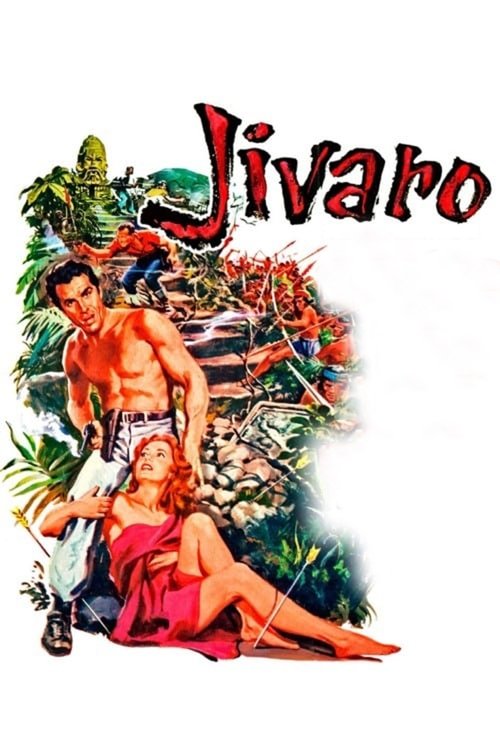
Jivaro is a quintessential mid-century adventure film that upholds existing social and racial hierarchies. The narrative structure is designed to reinforce traditional power dynamics rather than challenge them. The film relies on colonialist perspectives, using indigenous cultures as simplistic narrative devices rather than complex subjects. This approach limits the depth of world-building and character development. Gender and sexuality are portrayed through a rigid, conventional lens. The story prioritizes male-driven action and straight-centered romance, leaving little room for diverse perspectives.
Category Breakdown
The film does not include any documented LGBTQ+ characters or non-cisgender identities. Its romantic structure focuses solely on heterosexual relationships typical of the time.
Male characters dominate the plot, driving the action forward. Female characters are mostly confined to supporting roles, often needing rescue or serving as emotional stakes.
The cast is primarily composed of white actors, reflecting an Anglo-Saxon viewpoint. Indigenous populations are portrayed through ethnographic clichés, serving as antagonistic obstacles for Western protagonists.
The narrative emphasizes Western values and exploratory interests, reinforcing the legitimacy of Western presence in foreign territories through a traditional mid-century moral framework.
There is no representation of visible or invisible disabilities. No character arcs focus on neurodivergence or chronic illnesses.
Present on Screen
Limited or Absent
Official Synopsis
At Rio Galdez's remote Brazilian trading post live assorted outcast Americans and Europeans, including Jerry Russell, ex-engineer who became obsessed with the Jivaro headhunters' treasure, quit his job, and took up with the bottle and local girl Maroa. But he still gets letters from his nominal fiancée in California, and unexpectedly the shapely, glamorous Alice Parker arrives, expecting to marry a rich planter. Disillusioned, Alice is almost ready to fall into Rio's arms when news comes that Jerry is missing in Jivaro country.
1950
1964

1945

1954
1952
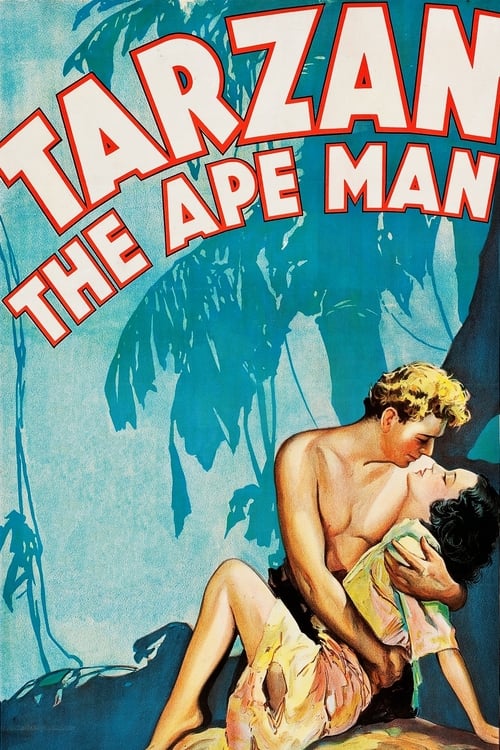
1932
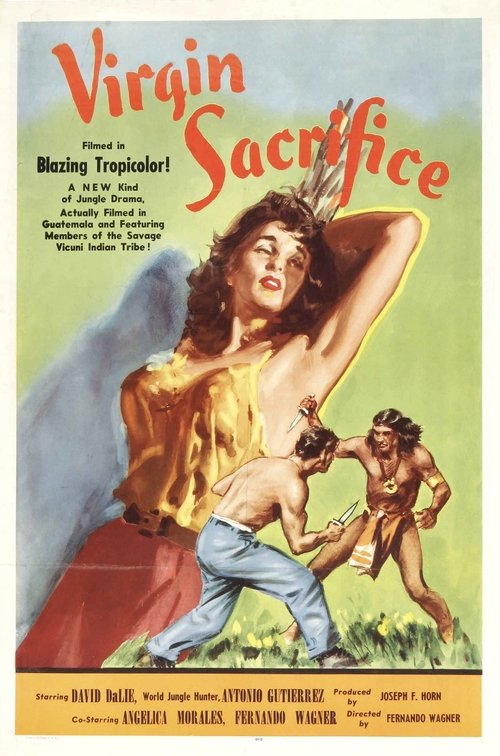
1960
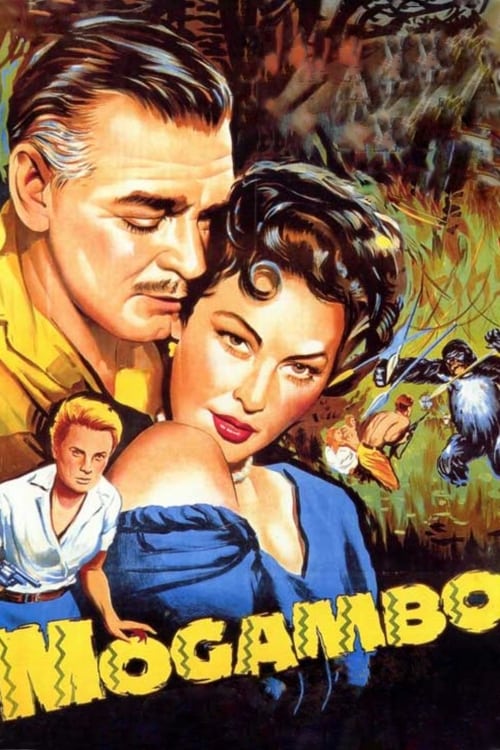
1953
No reviews yet. Be the first to share your thoughts on this movie!
Use the rating form above to leave a star rating and optional review.