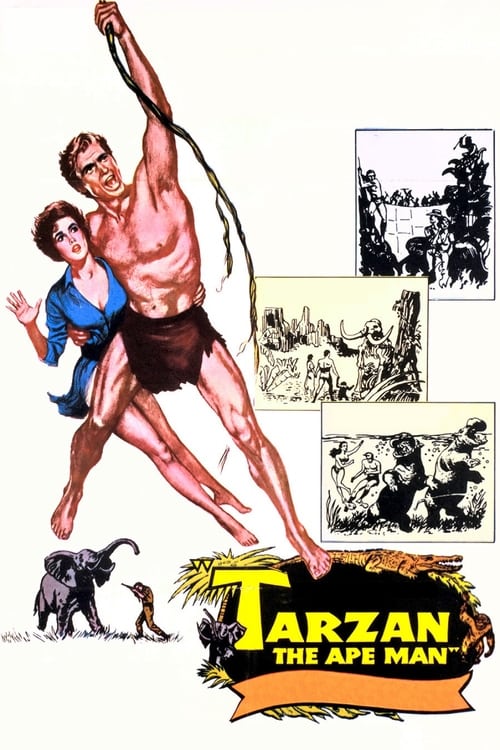
Tarzan, the Ape Man
1959
No user ratings available yet
Representation score: 0.3 out of 10
No Poster Available
Representation Score
Minimal
1950
ApprovedDirector
Robert Emmett Tansey
Runtime
66 minutes
Average Rating
No ratings yetNew Showbiz Analysis
Forbidden Jungle is a typical mid-century adventure film that adheres to the conventions of its time. The narrative structure revolves around a classic 'lost child' cliché, centering a colonial-era expedition into an African landscape. The film reinforces the social hierarchies of the mid-century rather than challenging them. By focusing on a white protagonist surviving in a foreign environment, the story emphasizes Western perspectives over indigenous viewpoints. Ultimately, the production prioritizes genre-standard adventure over social critique, reflecting the traditional studio system of the era.
Category Breakdown
The film strictly adheres to the assumptions that everyone is straight or cisgender, typical of 1950s cinema. There is no indication of LGBTQ+ identities or same-sex relationships.
The story focuses on a male hunter and a male child, emphasizing masculine roles. Female characters are likely confined to supporting or domestic roles, which is common in this genre.
The plot is set in a colonialist framework where a white child is placed in a foreign land. Indigenous populations are used as background elements rather than being portrayed as complex individuals.
The story follows traditional Western adventure clichés that depict explorers facing an untamed wilderness. It lacks any critique of Western institutions or moral relativism.
The synopsis does not mention any characters dealing with physical or neurodivergent disabilities.
Present on Screen
Limited or Absent
Official Synopsis
A hunter is hired to take an expedition deep into the African jungle to search for a white boy lost in a plane crash years before, and who has been rumored to be living among the wild animals.
1959
1950

1933
1939
1960
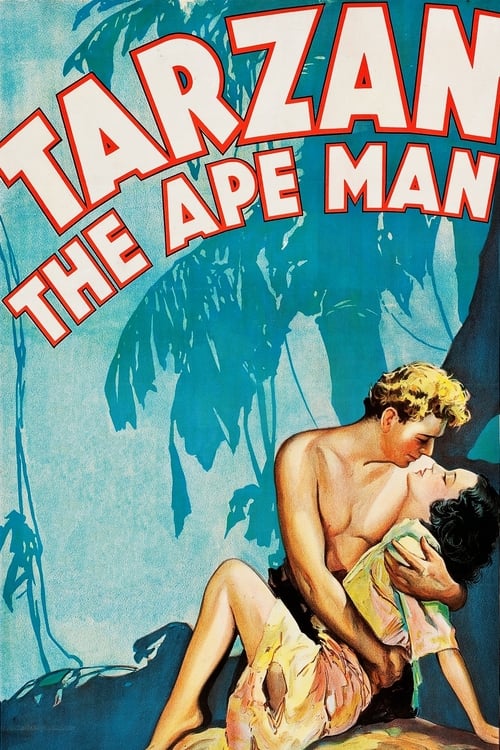
1932
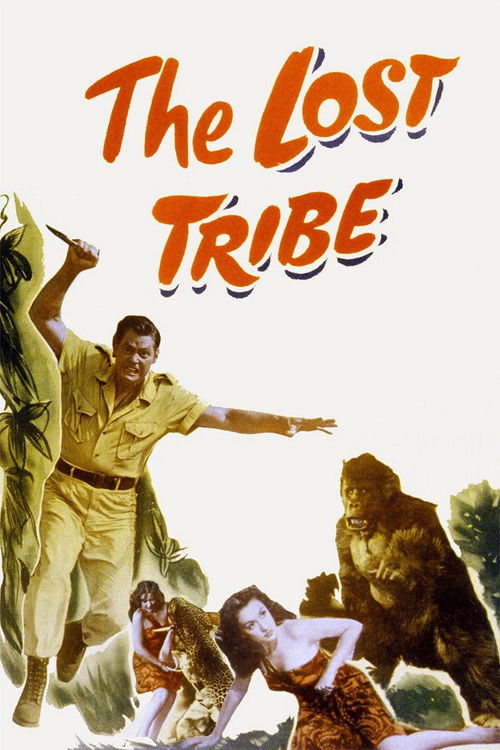
1949
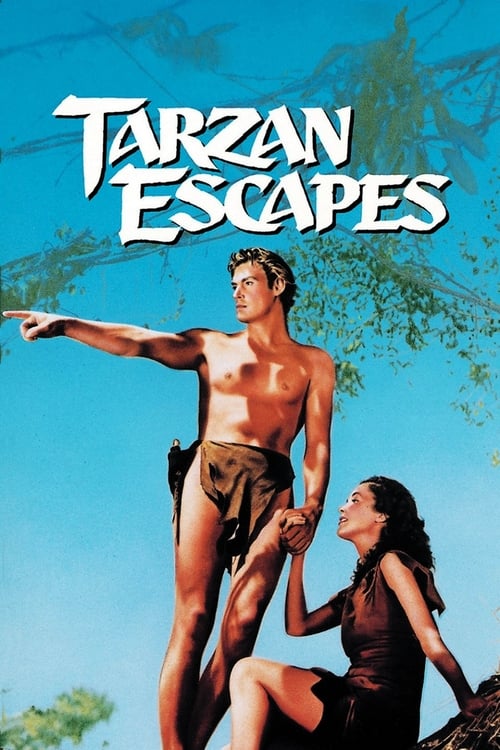
1936
No reviews yet. Be the first to share your thoughts on this movie!
Use the rating form above to leave a star rating and optional review.