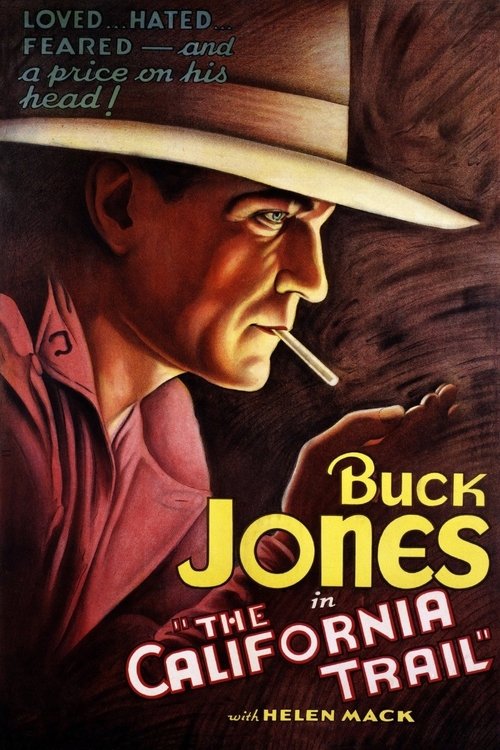
The California Trail
1933
No user ratings available yet
Representation score: 1.6 out of 10

Representation Score
Fair
1939
NRDirector
Hal Roach
Runtime
92 minutes
Average Rating
No ratings yetNew Showbiz Analysis
Captain Fury stands out from the typical American Western by using a colonial Australian setting to explore themes of political dissent. Casting an Irish patriot as the lead character moves away from the traditional heroic settler cliché toward a more complex outsider narrative. However, the film adheres to the social norms of 1939. Its romantic plot is strictly heterosexual, and leadership roles are predominantly held by men, reinforcing traditional gender hierarchies. Ultimately, the film's strength lies in its critique of corrupt land-holding institutions and colonial power dynamics. It offers a more nuanced perspective compared to many of its contemporaries.
Category Breakdown
The film follows a conventional trajectory centered around the heterosexual relationship between Michael Fury and Jeannette Dupre, with no queer undertones present.
Male characters drive the physical and political action. Jeannette Dupre is central to the emotional storyline, but her role is limited by her father's authority.
The film shifts from the typical pioneer archetype by focusing on an Irish political dissident. A group of fellow convicts introduces a more diverse social landscape compared to most 1930s films.
The narrative criticizes oppressive colonial structures and corrupt land ownership. The protagonist's motivation stems from political dissent rather than mere survival.
There are no visible or invisible disabilities portrayed as central to the character arcs or plot progression.
Present on Screen
Limited or Absent
Official Synopsis
An Irish convict sentenced to hard labor in Australia escapes into the outback, and organizes a band of fellow escapees to fight a corrupt landlord.
1933
1935
1938
1935

1952
1949
1932
1942
No reviews yet. Be the first to share your thoughts on this movie!
Use the rating form above to leave a star rating and optional review.