Robin Hood and the Pirates
1960
No user ratings available yet
Representation score: 2.3 out of 10
Representation Score
Limited
1954
ApprovedDirector
Byron Haskin
Runtime
106 minutes
Average Rating
No ratings yetNew Showbiz Analysis
Long John Silver embodies the traditional adventure clichés of mid-20th-century cinema, emphasizing a homogeneous, male-dominated cast. The film prioritizes established hierarchies over social subversion, offering limited space for diverse perspectives. Despite this, the film finds depth in its protagonist's moral ambiguity. Silver is not a one-dimensional villain, providing a layer of psychological complexity often missing from period adventures. Additionally, the portrayal of disability is handled competently. Instead of relying on pity, the narrative integrates Silver's disability into his identity as a capable and experienced leader.
Category Breakdown
The film does not depict any non-binary or LGBTQ+ identities. It focuses solely on traditional masculine relationships and mentorship.
The story operates within a strict patriarchal structure. Female characters are either excluded or underrepresented, with male characters taking the lead and making key decisions.
The casting is predominantly white and Anglo-Saxon, with no evidence of diverse ethnic groups or color-blind casting practices.
The film explores moral complexity through Long John Silver's ambiguous character. However, it remains rooted in traditional Western adventure values and capitalist goals.
Long John Silver's loss of a leg is central to his identity. He maintains a significant role in driving the story and competence, avoiding being treated merely as a plot device.
Present on Screen
Limited or Absent
Official Synopsis
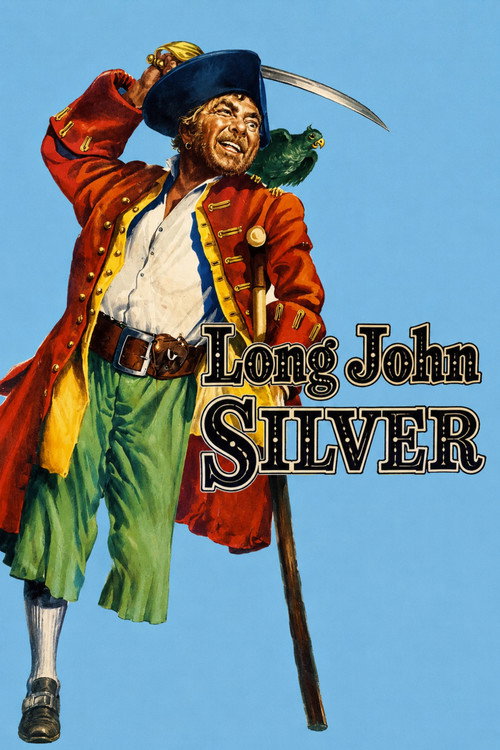
In this sequel to Treasure Island, Long John hopes to rescue his friend Jim from a rival pirate and return for more treasure.
1960
1950

2006
1950

1970

1964
2005

1963
No reviews yet. Be the first to share your thoughts on this movie!
Use the rating form above to leave a star rating and optional review.