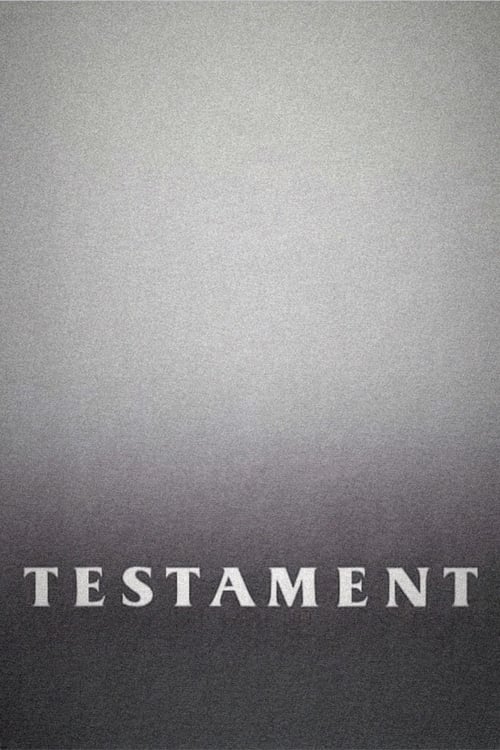
Testament
1983
No user ratings available yet
Representation score: 4.3 out of 10
Representation Score
Limited
1983
TV-PGDirector
Nicholas Meyer
Runtime
127 minutes
Average Rating
No ratings yetNew Showbiz Analysis
The film emphasizes a critique of geopolitical and institutional frameworks over diverse representation. While it lacks meaningful inclusion of LGBTQ+, racial, or disabled communities, it effectively challenges the perceived stability of Western civilization. By showing the collapse of social order, the film questions the idea of the invincibility of the American Dream and traditional morality. This focus on institutional failure highlights a different kind of progressive value, even though the character types remain traditional.
Category Breakdown
The film does not include any LGBTQ+ characters or representations of non-straight relationships. It centers on traditional family structures that assume everyone is straight.
Early scenes follow traditional gender roles. However, after a major event, the roles shift as survival becomes the main goal, replacing typical provider and caregiver roles.
The film focuses on a predominantly white, middle-class community in Kansas. This narrow focus limits the narrative's scope to a single demographic group.
The film critically examines Western institutions such as government and religion. It portrays these systems as weak during a societal collapse, failing to protect citizens.
Physical disabilities are used mainly as plot devices to show radiation sickness. These portrayals emphasize bodily harm rather than exploring the lived experiences of those with disabilities.
Present on Screen
Limited or Absent
Official Synopsis
In the mid-1980s, the U.S. is poised on the brink of nuclear war. This shadow looms over the residents of a small town in Kansas as they continue their daily lives. Dr. Russell Oakes maintains his busy schedule at the hospital, Denise Dahlberg prepares for her upcoming wedding, and Stephen Klein is deep in his graduate studies. When the unthinkable happens and the bombs come down, the town's residents are thrust into the horrors of nuclear winter.
1983

1961
1984

1959

2015
1962
1976

1986
No reviews yet. Be the first to share your thoughts on this movie!
Use the rating form above to leave a star rating and optional review.