The Talking Dog
1956
No user ratings available yet
Diversity score: 1.8 out of 10
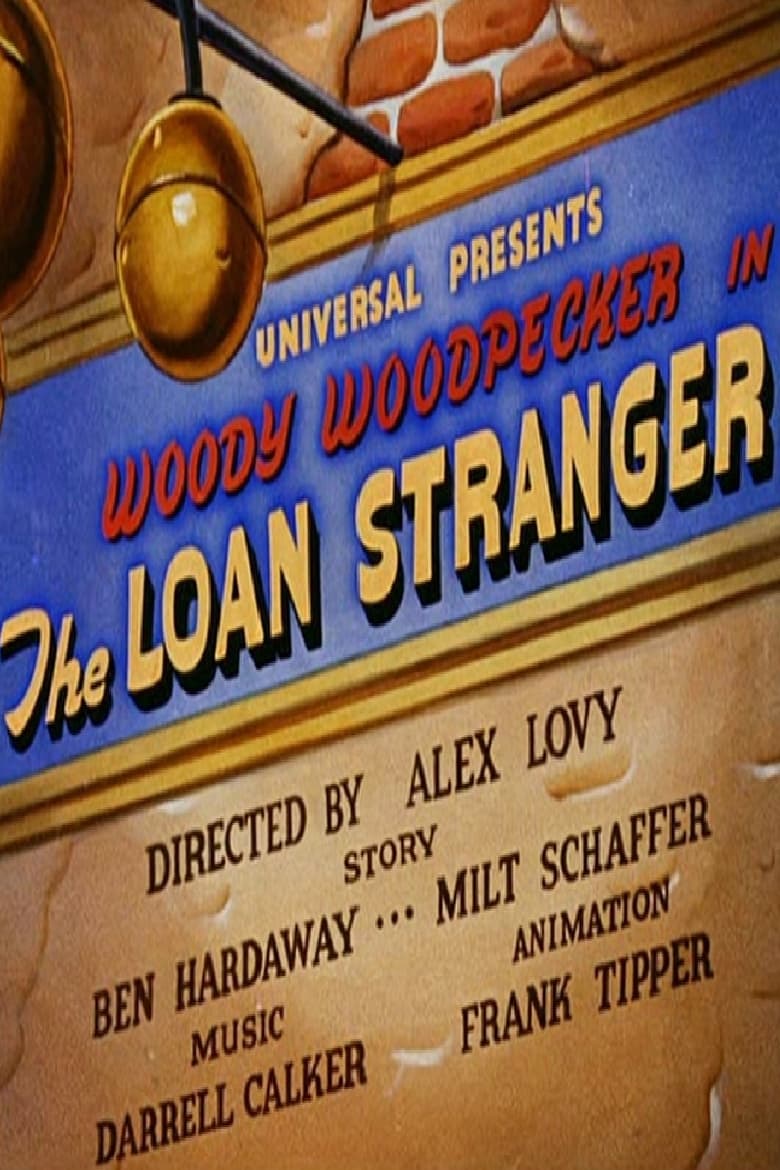
1942
NRDirector
Alex Lovy
Runtime
7 minutes
Average Rating
No ratings yetSynopsis
Woody is happily (and nuttily) driving down the street when his car breaks down. He tries to get a loan on it from a nearby wolf. The wolf agrees to give Woody the loan but exclaims if he doesn't receive payment in thirty days, he'll take Woody's car away. Sure enough, a title card tells us, "Thirty days have elapsed (and so has Woody's memory)". The wolf appears at Woody's door trying to serve him with a notice but the crafty woodpecker pretends he's not home. The wolf tries to trap him disguised as a deliveryman giving Woody a cake... but the woodpecker throws it in his face bellowing, "I don't like cheesecake!" Finally, the fox throws a punch at Woody and believes to have seriously injured him. He sympathetically agrees to forget about the loan only to be infuriated when Woody "recovers" holding a cuckoo clock and asking, "How about a loan on the clock, Doc?"
Overall Score
Minimal
Category Breakdown
LGBTQ+ Representation
The story focuses on a transactional conflict between a protagonist and a creditor. No non-cisnormative identities or same-sex intimacy are depicted.
Gender Representation
The film operates in a strictly masculine-coded space. The absence of female characters prevents any exploration of feminine agency or gender hierarchies.
Racial & Ethnic Diversity
The cast consists of anthropomorphic animals following standard predator and prey dynamics. There is no evidence of intentional demographic blending or racial diversity.
Religious & Cultural Diversity
The narrative reinforces Western capitalist structures like debt and loans. It uses financial obligation as a comedic engine rather than critiquing these institutions.
Disability Representation
The protagonist's temporary memory loss serves only as a plot device. Cognitive impairment is used for comedic convenience rather than depicting lived experience.
Strengths
Areas for Improvement
AI Analysis
This animated short is a product of its era, prioritizing kinetic slapstick over social depth. The narrative relies on traditional comedic archetypes and physical gag cycles that do not challenge existing social hierarchies. The film functions within a closed loop of predator and prey dynamics. It lacks the intentionality needed to provide nuanced representation or explore intersectional identities, focusing instead on the stress of financial obligation. Ultimately, the work reinforces standard social interactions and Western economic structures. It remains a purely kinetic experience that avoids any meaningful exploration of systemic power or identity.
1956
1943
1947
1942
1942
1928
1941
1937
1947
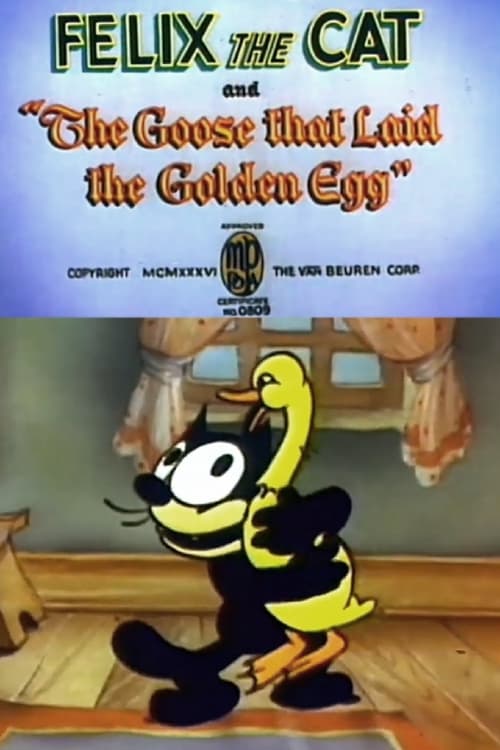
1936
1963

1931
No reviews yet. Be the first to share your thoughts on this movie!
Use the rating form above to leave a star rating and optional review.