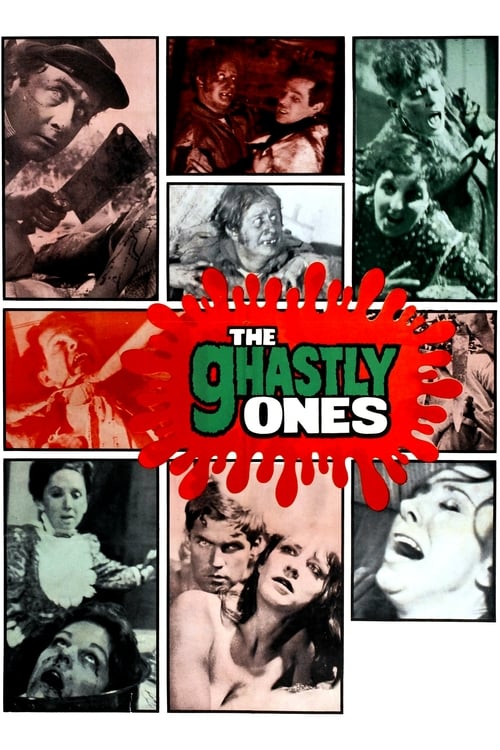
The Ghastly Ones
1968
No user ratings available yet
Diversity score: 3.9 out of 10
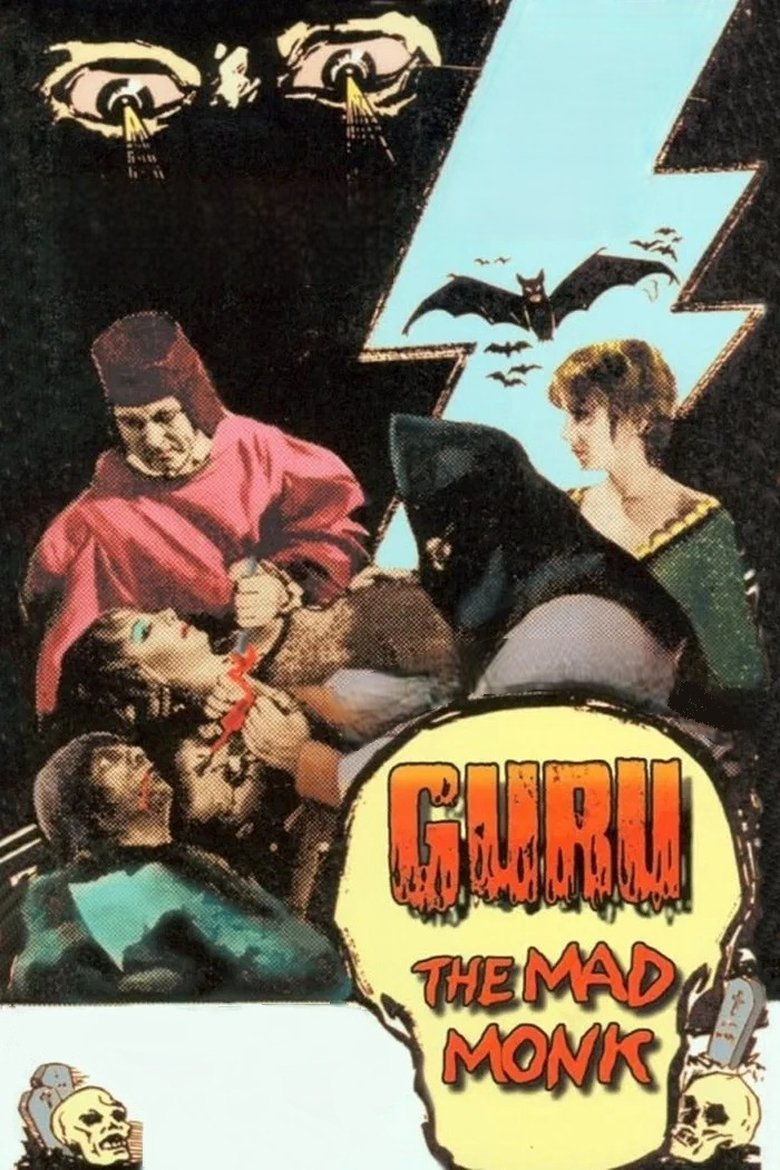
1970
RDirector
Andy Milligan
Runtime
56 minutes
Average Rating
No ratings yetSynopsis
A deranged 15th-century prison colony chaplain exploits his power to obtain funds for his church, including murder and graverobbing committed by his vampire mistress and one-eyed hunchback assistant.
Overall Score
Fair
Category Breakdown
LGBTQ+ Representation
The film explores unconventional interpersonal dynamics through its transgressive themes. However, it relies more on dark genre tropes than explicit, intentional queer identity representation.
Gender Representation
A vampire mistress serves as a primary driver of violence, granting her significant agency. This subverts traditional gender hierarchies by placing a female figure in a position of predatory power.
Racial & Ethnic Diversity
The 15th-century setting appears to follow a homogeneous European framework. There is no evidence of diverse casting or the blending of different racial identities.
Religious & Cultural Diversity
The narrative offers a sharp critique of organized religion by portraying a chaplain as a corrupt exploiter. It deconstructs the sanctity of religious authority through themes of greed.
Disability Representation
A one-eyed hunchback assistant provides visible disability representation. Rather than being a passive figure, the character acts as an active participant in the central criminal enterprise.
Strengths
Areas for Improvement
AI Analysis
Andy Milligan’s work focuses on the marginalized and the socially deviant, often disrupting traditional narrative structures. This film succeeds in deconstructing institutional power, specifically by portraying religious authority as a vehicle for systemic exploitation and moral decay. While the film subverts certain social norms through its dark, transgressive lens, it lacks modern demographic inclusion. The narrative is centered on a Eurocentric historical context and lacks explicit representation of racial or LGBTQ+ identities. Ultimately, the film is a study of moral relativism. It favors the grotesque and the unstable over traditional hierarchies, making it a transgressive genre piece rather than a work of intentional social diversity.
1968
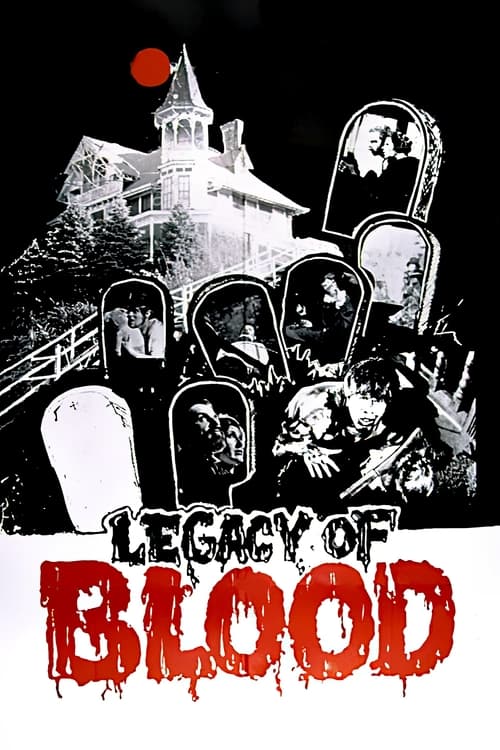
1978
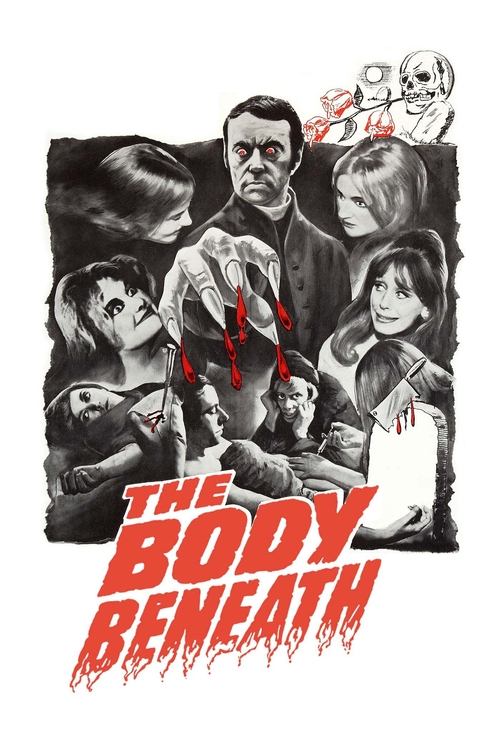
1970
1973
1970
1970
1966

1975
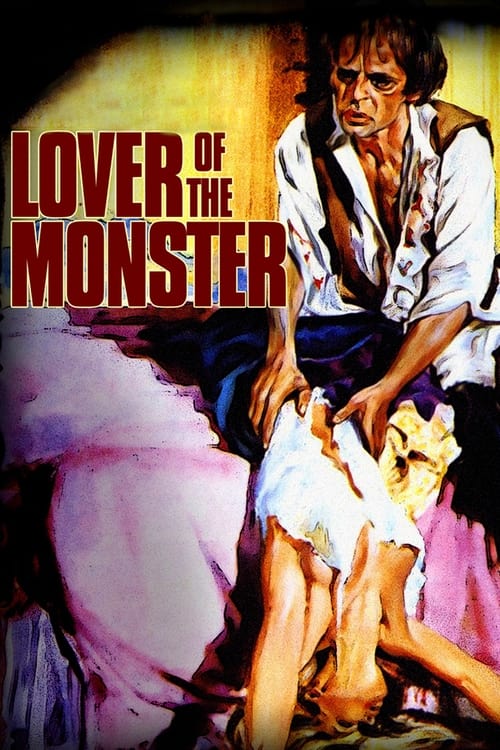
1974
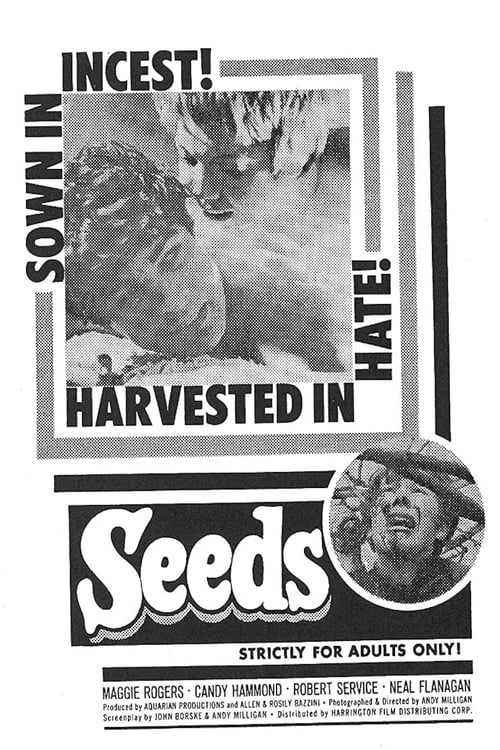
1968
1972
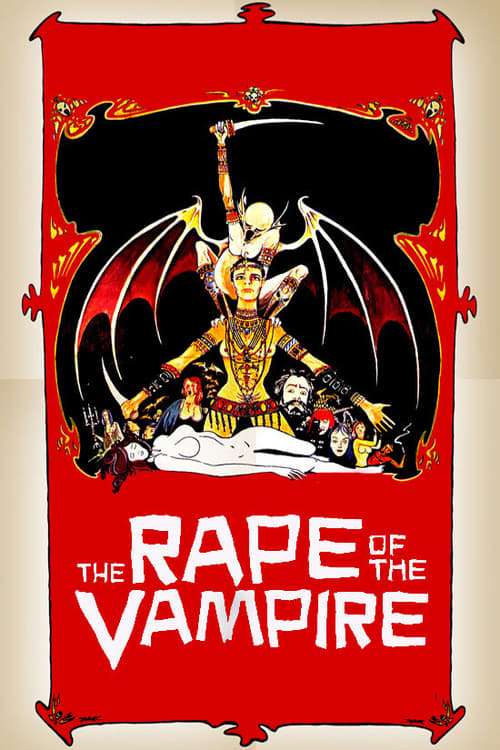
1968
No reviews yet. Be the first to share your thoughts on this movie!
Use the rating form above to leave a star rating and optional review.