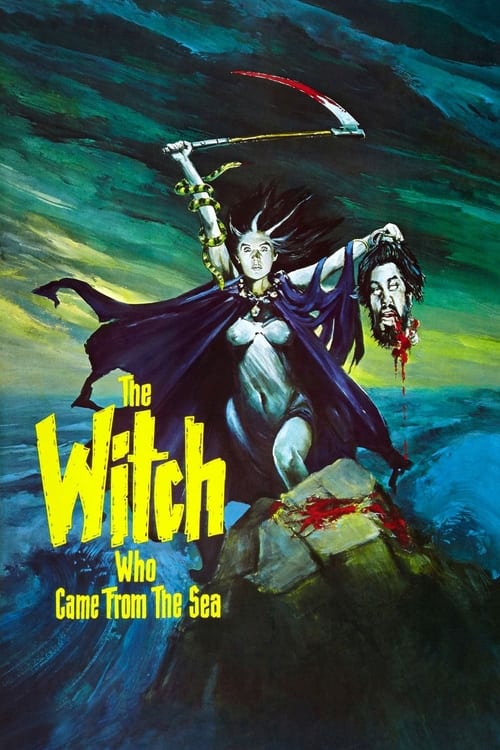
The Witch Who Came from the Sea
1976
No user ratings available yet
Representation score: 4.2 out of 10
Representation Score
Fair
1968
Director
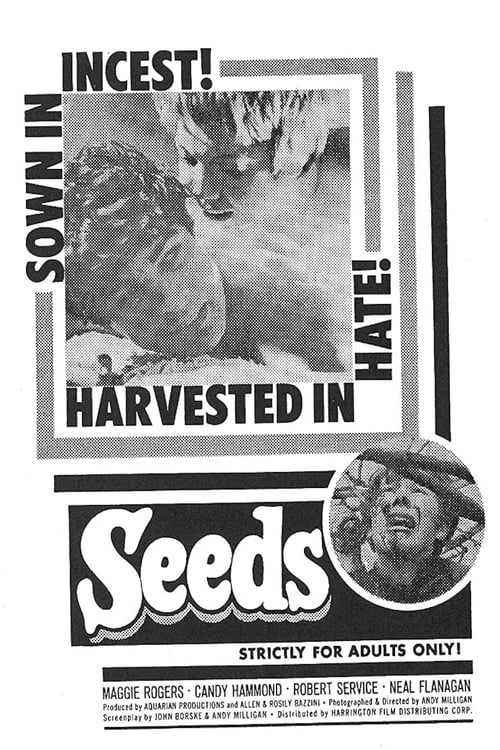
Andy Milligan
Runtime
81 minutes
Average Rating
No ratings yetNew Showbiz Analysis
Seeds serves as a critical look at the domestic sphere, rejecting the 'ideal family' concept by depicting kinship as inherently flawed and oppressive through themes of alcoholism and violence. The film stands out by reversing traditional gender power dynamics, notably through its depiction of a domineering matriarch. However, it falls short in terms of broad racial and LGBTQ+ representation. Overall, the work focuses on the inherent dysfunction of the family unit rather than a diverse social landscape, relying heavily on mid-century genre conventions.
Category Breakdown
The film does not include any explicit LGBTQ+ characters or non-straight relationships. The story centers around a dysfunctional family dynamic.
A strong female character dominates her children, challenging traditional nurturing roles. This powerful authority upends typical patriarchal structures.
There is no indication of a racially diverse cast. The film seems to stick to the homogeneous casting standards of the late 1960s.
The story criticizes the Western family structure by showing it as a place of tyranny and violence. It dismantles the idea of a perfect home.
While alcoholism is a key theme, there is no deep exploration of mental health or physical disabilities. The focus remains on the horror elements.
Present on Screen
Limited or Absent
Official Synopsis
An angry, alcoholic matriarch tyrannizes her spoiled, adult children during an unwanted family meeting, where someone begins killing them one by one.
1976

1963
1971
1976
1972
1967
1978
1972
No reviews yet. Be the first to share your thoughts on this movie!
Use the rating form above to leave a star rating and optional review.