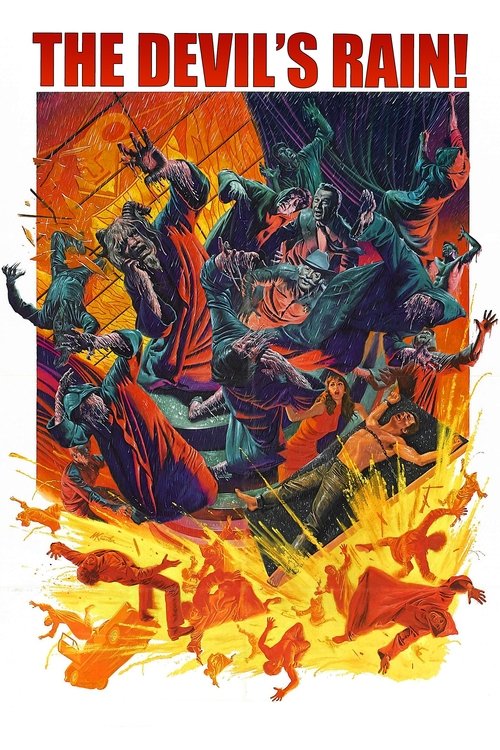
The Devil’s Rain
1975
No user ratings available yet
Diversity score: 1.4 out of 10

1966
ApprovedDirector
Don Sharp
Runtime
91 minutes
Average Rating
No ratings yetSynopsis
Rasputin, a crazed and debauched monk wreaks havoc at the local inn one night, chopping off the hand of one of the drinkers. As the bitter locals plan their revenge, the evil Rasputin works his power over the beautiful women who serve at the Tsar's palace. Even the Tsarina herself is seduced by his evil ways and, as his influence begins to dominate government policy, there is only one course of action left... to destroy him before he destroys them all.
Overall Score
Limited
Category Breakdown
LGBTQ+ Representation
The film contains no visible or implied LGBTQ+ characters. It operates within a strictly traditional framework of gender and orientation.
Gender Representation
The Tsarina possesses some political agency, though it is framed through maternal desperation. Power dynamics rely on tropes of feminine vulnerability to charismatic male figures.
Racial & Ethnic Diversity
The production utilizes a homogeneous cast of white European actors. It depicts Imperial Russian history through a standard Western-centric lens.
Religious & Cultural Diversity
The story explores the decay of the Russian monarchy and religious mysticism. It focuses on the moral instability of a specific historical regime.
Disability Representation
There is no substantive representation of neurodivergence or physical disability. Rasputin's madness serves as a villainous trope rather than a nuanced exploration of mental health.
Strengths
Areas for Improvement
AI Analysis
Rasputin: The Mad Monk is a conventional historical horror film that adheres to the traditionalist cinematic standards of the 1960s. The narrative prioritizes melodrama and the reinforcement of established social hierarchies over any modern deconstruction of power. The film lacks intersectional depth, focusing instead on a singular portrayal of political and religious corruption. It relies heavily on established tropes, particularly regarding gender and mental health, to drive its horror elements. Ultimately, the production functions as a period-specific genre piece that reflects the era's lack of engagement with diverse identities or progressive social critiques.
1975
1992
1970
1990
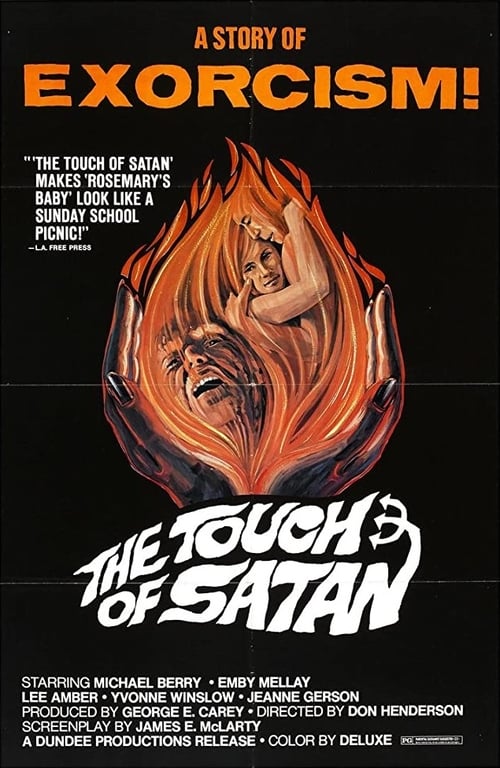
1971
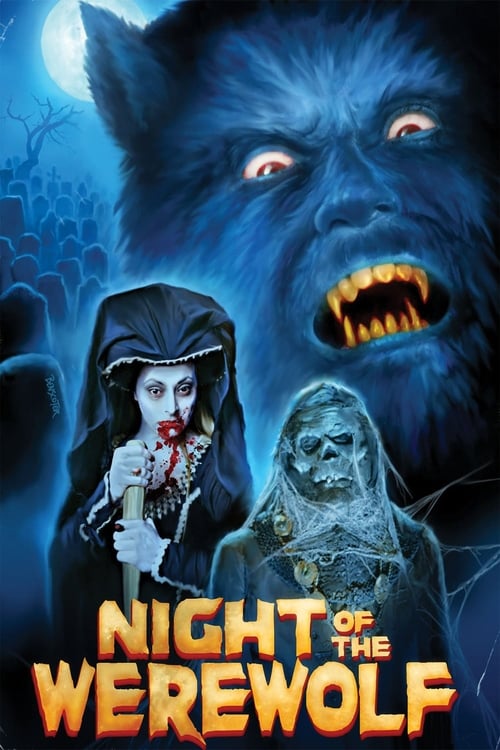
1981
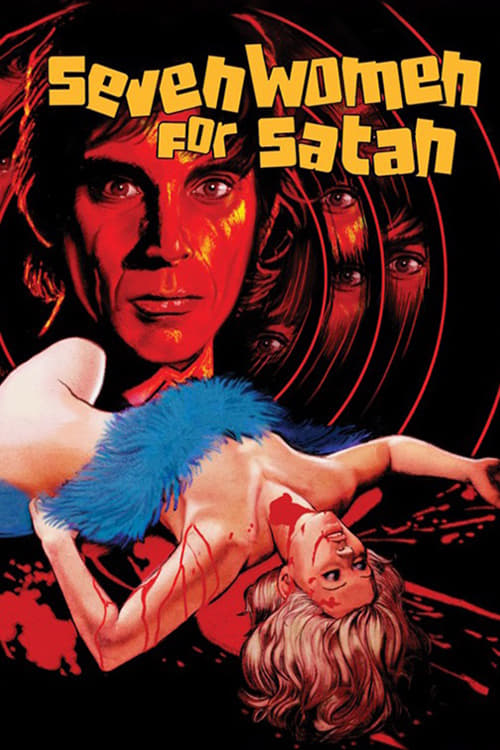
1976
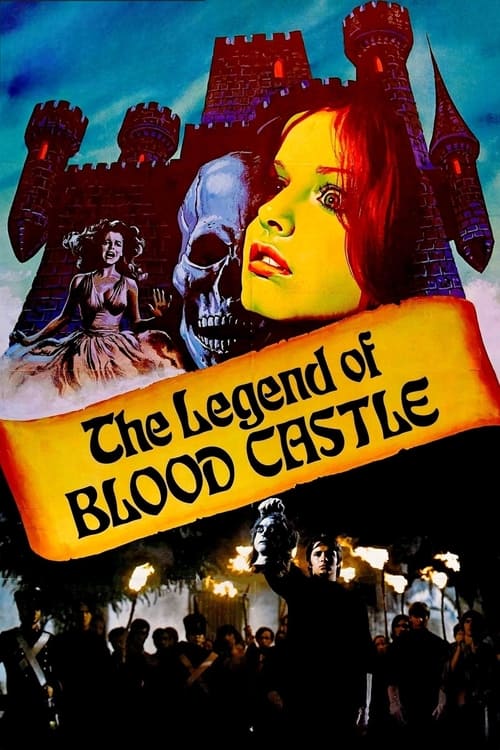
1973
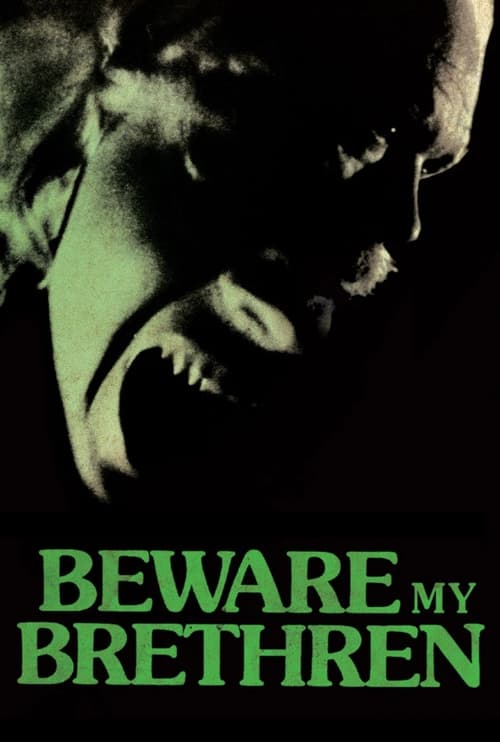
1972
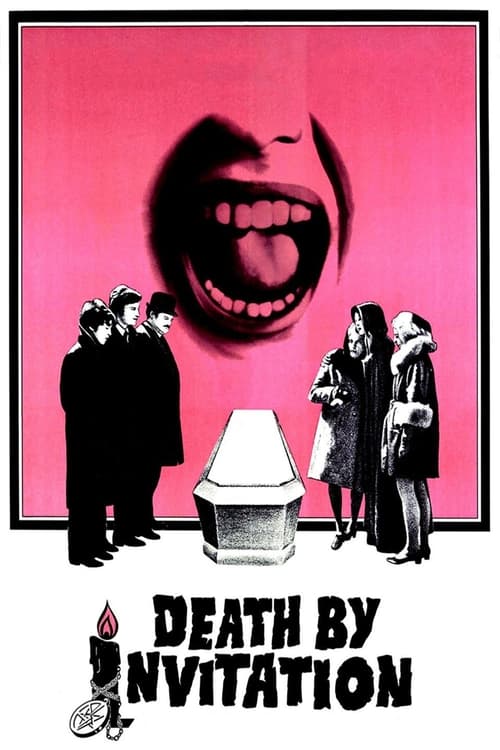
1971
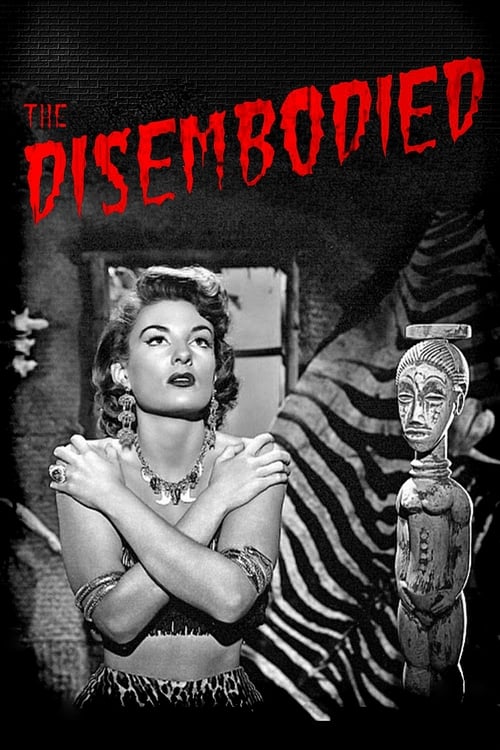
1957
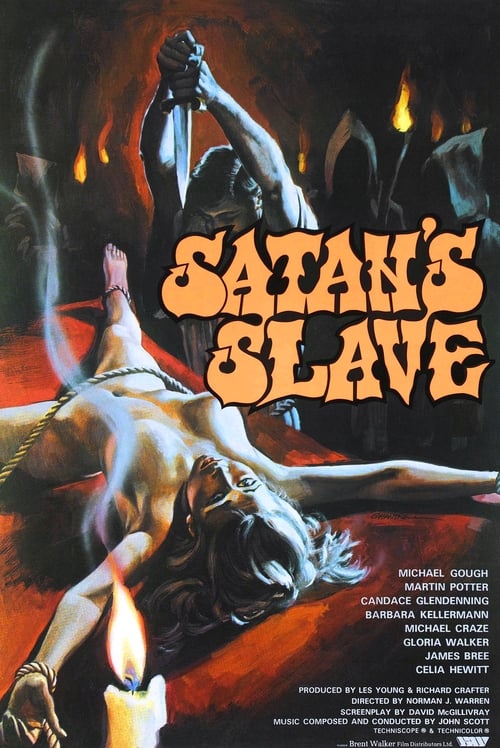
1976
No reviews yet. Be the first to share your thoughts on this movie!
Use the rating form above to leave a star rating and optional review.