Iris: A Space Opera by Justice
2019
No user ratings available yet
Diversity score: 4.9 out of 10
2020
Not RatedDirector
Jonathan Glazer
Runtime
10 minutes
Average Rating
No ratings yetSynopsis
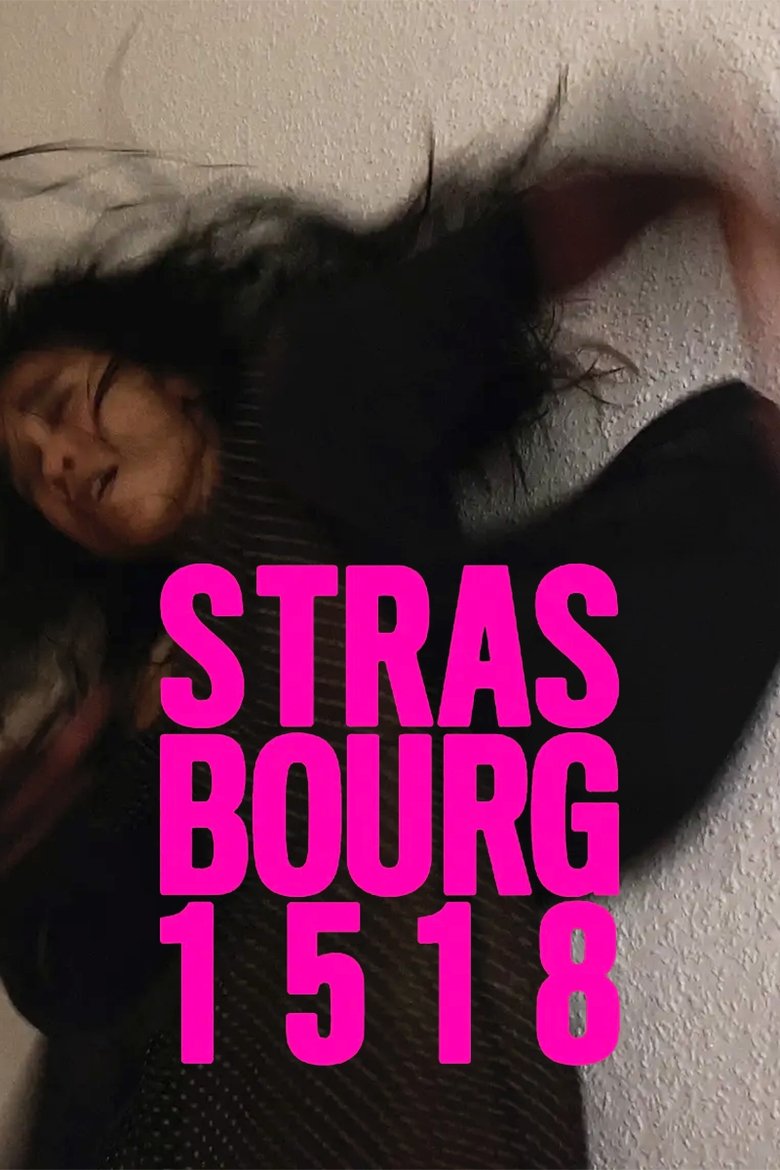
Inspired by a powerful involuntary mania which took hold of citizens in the city of Strasbourg just over five hundred years ago, this film is a collaboration in isolation with some of the greatest dancers working today.
Overall Score
Good
Category Breakdown
LGBTQ+ Representation
The film explores non-normative physical expression through involuntary mania. While specific identities are unconfirmed, the focus on disrupted social choreography suggests a departure from heteronormative performance.
Gender Representation
The narrative centers on collective human behavior rather than individual gender hierarchies. It prioritizes somatic experience over traditional gendered power dynamics or specific character arcs.
Racial & Ethnic Diversity
The historical setting of 16th-century Strasbourg provides insufficient evidence to assess the racial composition of the cast or casting intentionality.
Religious & Cultural Diversity
The work disrupts Western institutional order by focusing on a breakdown of social cohesion. It engages deeply with historical instability and the critique of social norms.
Disability Representation
The central theme serves as a profound exploration of neurodivergence and involuntary physical states. It treats physiological phenomena as a complex, driving force of human experience.
Strengths
Areas for Improvement
AI Analysis
Strasbourg 1518 is an experimental musical collaboration that prioritizes sensory experience over traditional narrative structures. By centering on the historical dancing plague, the film moves away from moralizing stories toward a nuanced exploration of collective mania. The work excels in its portrayal of neurodivergence, treating involuntary physical states as a primary driver of the human experience rather than a trope. This approach grants a unique form of agency to the physiological condition itself. However, the film's focus on a specific 16th-century European event limits the visibility of racial and ethnic diversity. The lack of specific character identities also leaves questions regarding explicit LGBTQ+ or gender-based representation unanswered.
2019

2019
1986
2010

2021

2013

2018
2020
1992

1972
1994

2017
No reviews yet. Be the first to share your thoughts on this movie!
Use the rating form above to leave a star rating and optional review.