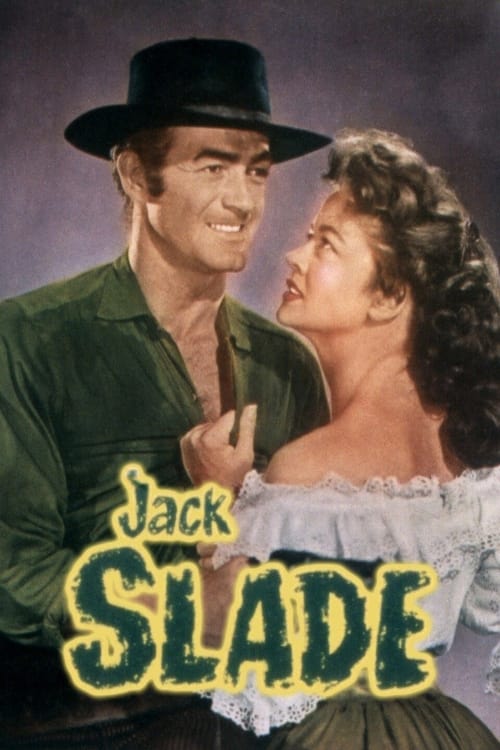
Jack Slade
1953
No user ratings available yet
Representation score: 1.5 out of 10
Representation Score
Minimal
1950
ApprovedDirector
Frank McDonald
Runtime
81 minutes
Average Rating
No ratings yetNew Showbiz Analysis
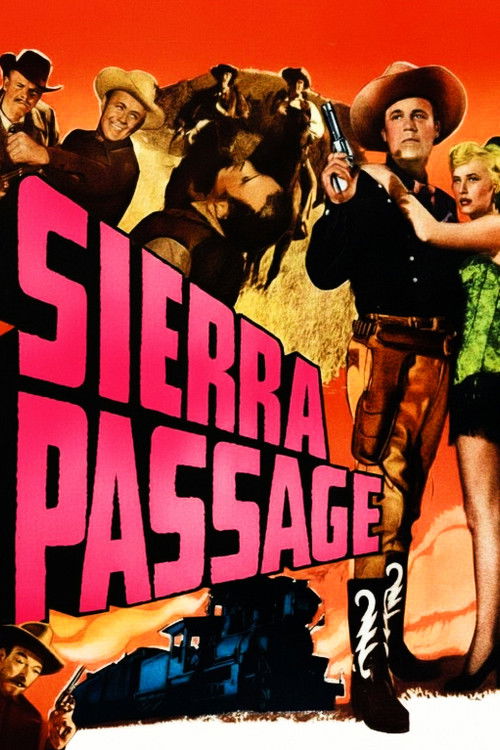
Sierra Passage is a classic mid-century Western that adheres closely to traditional genre conventions. The story revolves around a young boy's journey to master weaponry following a family tragedy. Produced in 1950, the film reflects the era's studio system norms. The narrative structure relies on established masculine archetypes and homogeneous social structures common to Westerns of that time. Ultimately, the film serves as a straightforward morality tale. It lacks diverse representations, focusing instead on a singular hero's journey and conventional social hierarchies.
Category Breakdown
The film does not include any characters with LGBTQ+ identities or show same-sex relationships. It follows the strict heterosexual norms typical of 1950s Westerns.
The story focuses on male characters, particularly a young protagonist and his father. It emphasizes traditional masculine traits like vengeance and weapon skills without giving much attention to female roles.
The narrative likely follows the standard racial hierarchies common in Westerns from the 1950s. There is no evidence of diverse ethnic casting or multi-layered character development.
The film upholds traditional Western values concerning law, retribution, and the nuclear family. It operates within a framework of individual justice and restoring social order.
There is no evidence of characters with visible or invisible disabilities. The narrative focuses on the physical skill of sharpshooting rather than diverse physical experiences.
Present on Screen
Limited or Absent
Official Synopsis
When young Johnny York witnesses the murder of his father, he joins a travelling variety troupe and trains up as a sharpshooter so he might one day get his revenge.
1953
1967
1955
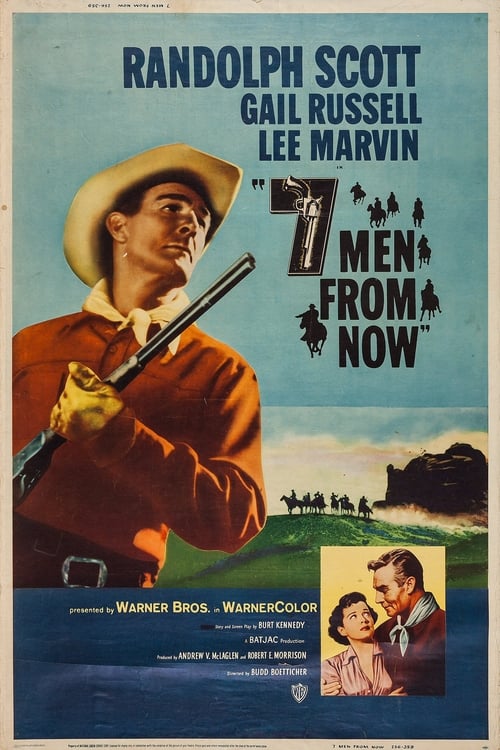
1956
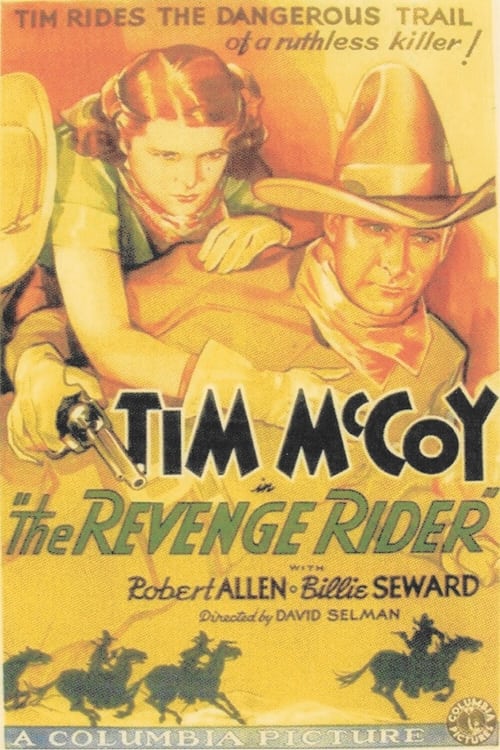
1935
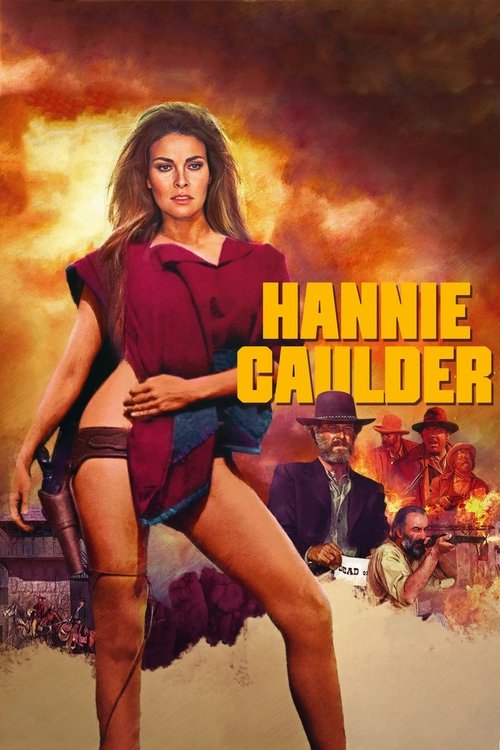
1971
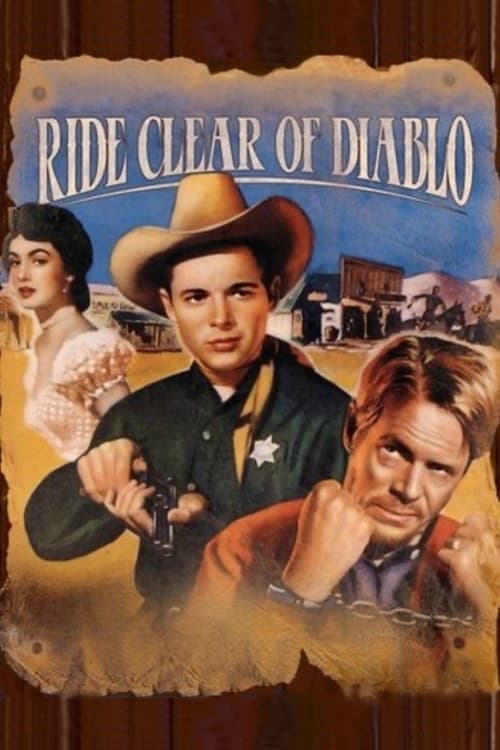
1954
1958
No reviews yet. Be the first to share your thoughts on this movie!
Use the rating form above to leave a star rating and optional review.