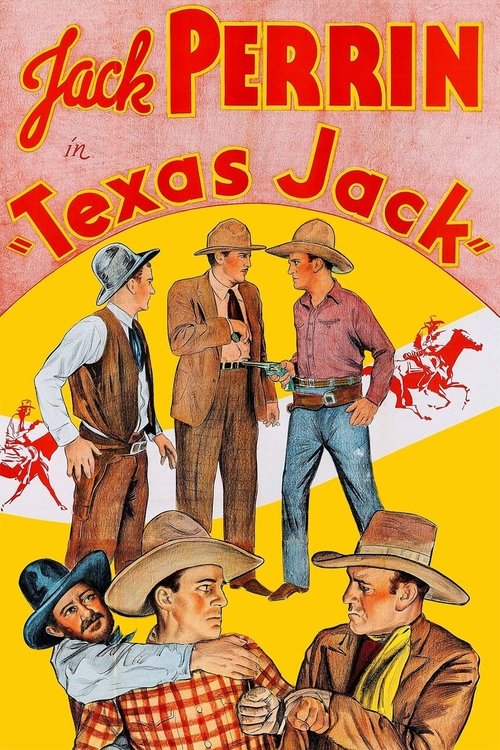
Texas Jack
1935
No user ratings available yet
Diversity score: 2.6 out of 10
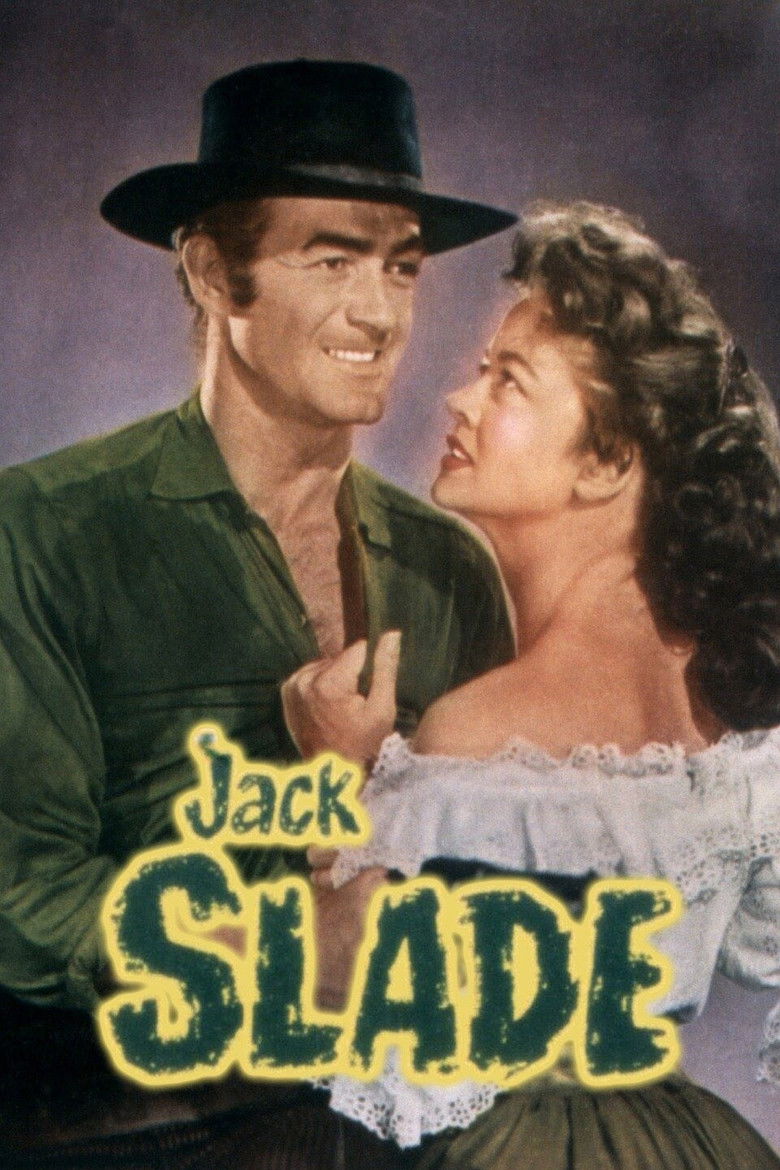
1953
ApprovedDirector
Harold D. Schuster
Runtime
90 minutes
Average Rating
No ratings yetSynopsis
A young boy witnesses his father murdered by bandits and grows into adulthood vowing revenge.
Overall Score
Limited
Category Breakdown
LGBTQ+ Representation
The film lacks any evidence of LGBTQ+ characters or non-heteronormative identities. It follows a conventional 1953 narrative trajectory focused on masculine vengeance.
Gender Representation
The story centers on a male protagonist driven by a cycle of violence. Female roles appear relegated to traditional, passive, or domestic positions supporting the male arc.
Racial & Ethnic Diversity
The production reflects the homogeneous casting norms of the early 1950s. It likely centers on Anglo-Saxon protagonists typical of the Western genre during this era.
Religious & Cultural Diversity
The premise reinforces traditional Western values like familial honor and individual retribution. The narrative focuses on individualistic heroism rather than critiquing systemic power.
Disability Representation
There is no documented evidence of characters with visible or invisible disabilities. No such identities are featured as central plot elements.
Strengths
Areas for Improvement
AI Analysis
Jack Slade is a quintessential mid-century Western that adheres strictly to the genre conventions of 1953. The narrative is built around a patriarchal cycle of revenge, focusing almost exclusively on the male experience of trauma and retribution. The film lacks intersectional complexity, offering little to no representation for LGBTQ+ individuals, diverse racial groups, or people with disabilities. It functions as a traditional piece of studio storytelling that reinforces the social hierarchies and homogeneous casting norms of its time. Ultimately, the film prioritizes individualistic heroism and traditional moral clarity over any meaningful exploration of diverse cultural or social identities.
1935

1965
1931

1966
1964
1964
1934
1950

1940

1966

1937

1950
No reviews yet. Be the first to share your thoughts on this movie!
Use the rating form above to leave a star rating and optional review.