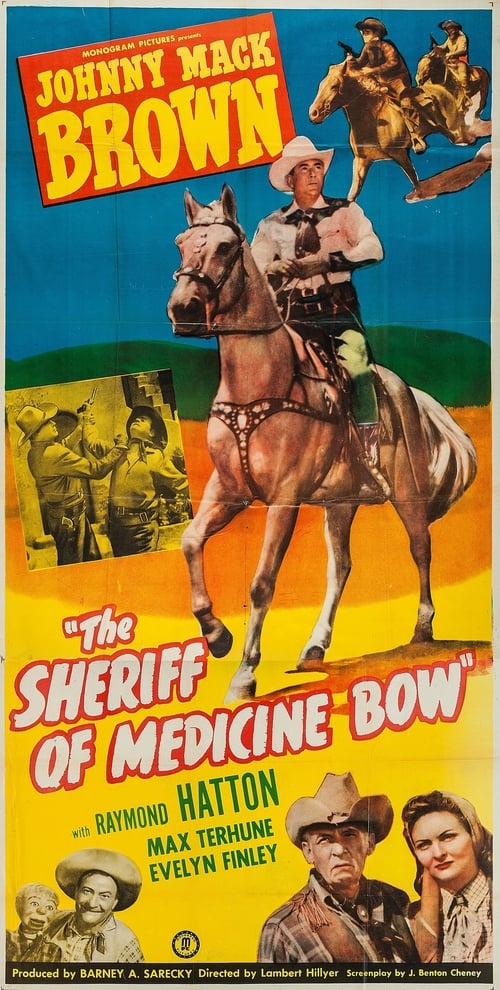
The Sheriff of Medicine Bow
1948
No user ratings available yet
Representation score: 0.6 out of 10

Representation Score
Minimal
1947
PassedDirector
Lambert Hillyer
Runtime
56 minutes
Average Rating
No ratings yetNew Showbiz Analysis
The film is a quintessential mid-century Western that prioritizes established genre conventions and traditional narrative arcs. It follows a standard restorative justice cliché where a hero cleanses a corrupt town. Because the film relies on moral absolutism and clear binaries, it lacks complexity in reflecting multiple aspects of identity. The focus remains on a central male protagonist and his companion, reinforcing the social hierarchies of the 1940s. Ultimately, the work functions as a traditional genre piece rather than a subversive or progressive exploration of identity.
Category Breakdown
The film adheres to the assumptions prevalent in 1947, where everyone is considered straight or cisgender. There is no evidence of characters who challenge traditional social structures or have diverse gender identities.
The story focuses on a male protagonist and his companion, indicating a power dynamic centered around men. Female characters likely play secondary or domestic roles typical of the era.
The production reflects the Anglo-centric depictions common in mid-century Westerns. There is no indication of a diverse cast or the use of non-human species as metaphors.
The narrative reinforces traditional Western values of vigilantism and individualistic justice. It promotes singular moral ideals rather than offering a critique of authority structures.
The available synopsis provides no information regarding characters with visible or invisible disabilities.
Present on Screen
Limited or Absent
Official Synopsis
Brown arrives in the town of, yes, Gunsight, in the company of saddle pal Raymond Hatton. Like a new broom, Brown sweeps clean, going after the town's corrupt element.
1948
1939
1946
1957
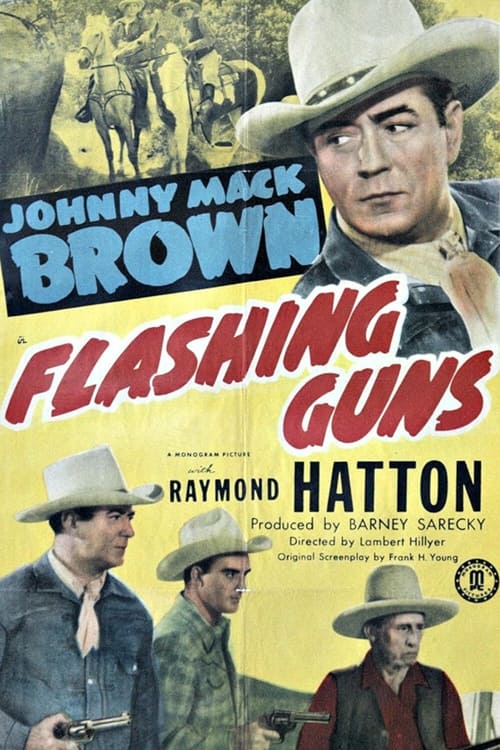
1947
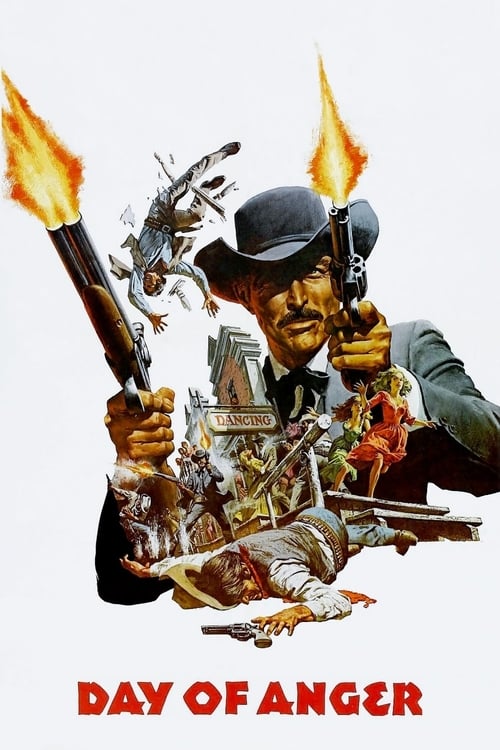
1967
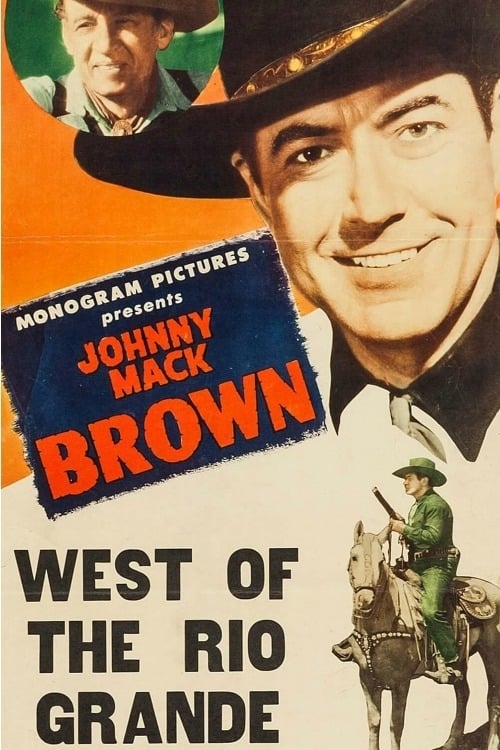
1944
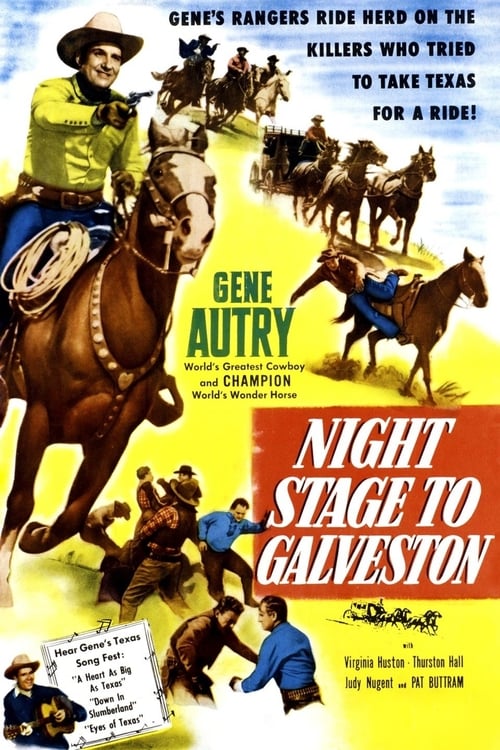
1952
No reviews yet. Be the first to share your thoughts on this movie!
Use the rating form above to leave a star rating and optional review.