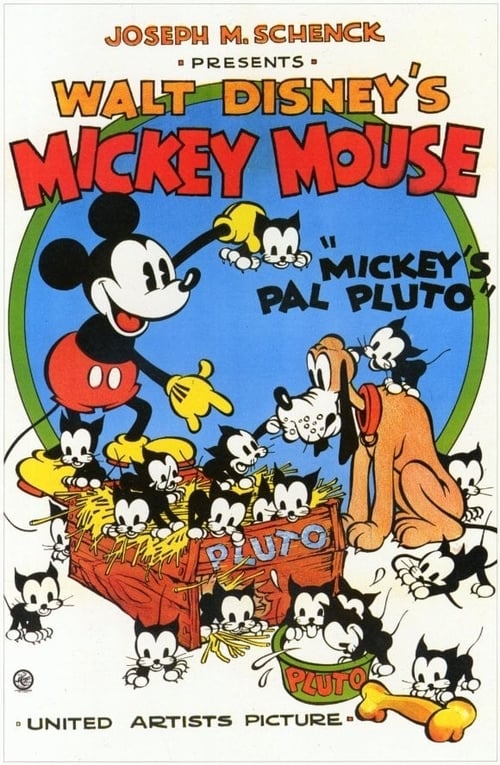
Mickey's Pal Pluto
1933
No user ratings available yet
Representation score: 1.6 out of 10

Representation Score
Minimal
1941
GDirector
Clyde Geronimi
Runtime
8 minutes
Average Rating
No ratings yetNew Showbiz Analysis
Lend a Paw is a quintessential mid-century animation that prioritizes slapstick and anthropomorphic allegory over social complexity. The narrative structure relies on a binary of good versus evil to validate conventional social behavior. Because the film is strictly animal-centric, it lacks the framework to explore overlapping aspects of identity or diverse human experiences. It functions as a localized comedy that adheres to the demographic and moral norms of 1941.
Category Breakdown
The film focuses entirely on the psychological conflict of an animal protagonist. It contains no depictions of LGBTQ+ identities or same-sex relationships.
Character dynamics revolve around Pluto's internal struggle between angelic and devilish impulses. While the film avoids overt misogyny, it does not engage with gender hierarchies.
The setting reflects a homogeneous, rural environment typical of early 20th-century American animation. There is no evidence of racial diversity or non-white characterization.
The story uses a traditional moral binary of angel versus devil to resolve conflicts. This reinforces conventional Western values of individual virtue and social cohesion.
There are no depictions of physical, sensory, or neurodivergent disabilities. Character behaviors are driven by standard comedic clichés rather than lived experiences of disability.
Present on Screen
Limited or Absent
Official Synopsis
Jealous over Mickey's attention to a kitten, Pluto's devil-self argues with his angel-self over whether or not to rescue the kitten when it falls into a well. The angel-self wins, and Pluto is treated like a hero. In the end, he and the kitten become friends.
1933
1942
1951
1947
1941
2006
1941
1939
No reviews yet. Be the first to share your thoughts on this movie!
Use the rating form above to leave a star rating and optional review.