
Close The Last Door
2007
No user ratings available yet
Representation score: 5.2 out of 10
Representation Score
Limited
1989
Director
Noboru Ishiguro
Runtime
100 minutes
Average Rating
No ratings yetNew Showbiz Analysis
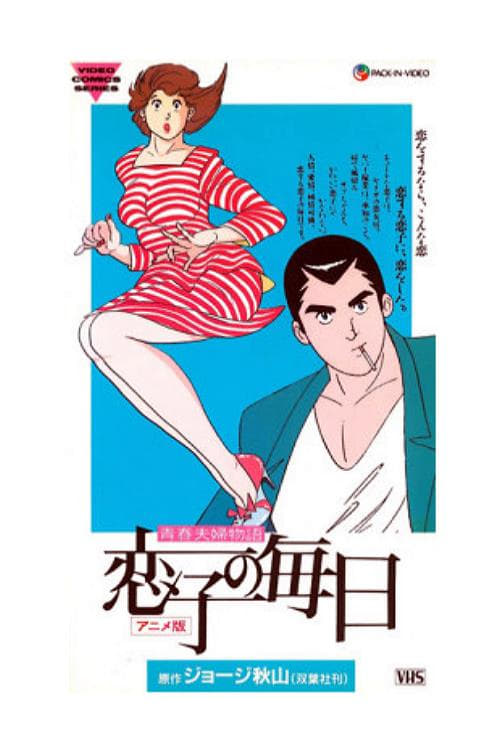
Koiko no Mainichi offers a character-driven look at the tension between domestic life and the predatory nature of the Shinjuku underworld. The film succeeds in subverting the passive 'gangster's wife' cliché by giving the female protagonist a significant role in driving the story that drives the plot forward. However, the film's scope is narrow. It focuses heavily on a localized, homogeneous cultural setting and lacks representation for LGBTQ+ identities or individuals with disabilities. The narrative remains centered on a traditional romantic conflict. Ultimately, the work is a study of systemic corruption and individual survival. It provides a nuanced look at power dynamics through a gendered lens, even if it lacks broader multi-layered diversity.
Category Breakdown
The film does not include any LGBTQ+ characters or non-straight relationships. The main conflict revolves around a traditional romantic triangle involving a husband, wife, and male antagonist.
Koiko disrupts typical gender hierarchies by acting as a catalyst for the plot. Her decision to save Sabu's life shifts the power dynamics of the entire criminal organization.
The story is set in a specific Japanese context. While it explores the social stratification within the Yakuza, it lacks diverse representation or perspectives that reflect multiple aspects of identity.
The narrative critiques corrupt institutional hierarchies. It portrays the criminal underworld as a predatory system that actively works to dismantle the family unit.
There is no mention of physical or neurodivergent disabilities within the narrative.
Present on Screen
Limited or Absent
Official Synopsis
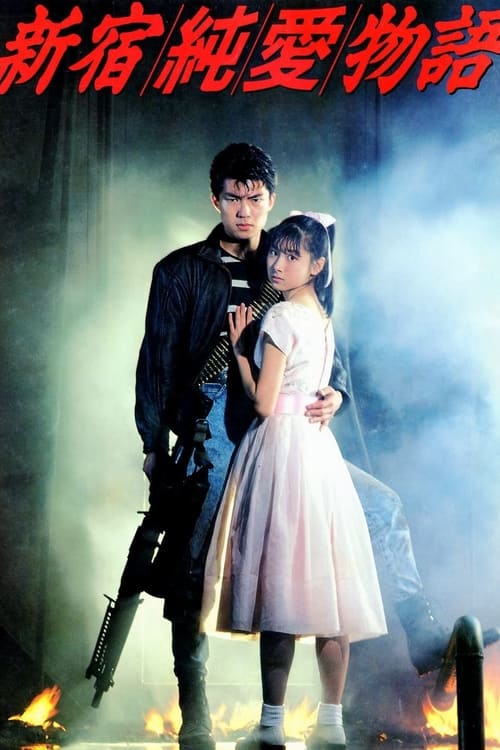
Shinjuku gangster Sabu and his young wife Koiko try to live a normal life, despite the interferences of gang politics and criminal deals. After she saves his life, Sabu's gang-boss, Tominaga, falls in love with Koiko, and sends Sabu into increasing dangerous situations, hoping to cause his arrest, and thus obligate himself to "take care" of Koiko while Sabu is in prison.
2007
1990
1997

2004

1980
1988

2007
1987
No reviews yet. Be the first to share your thoughts on this movie!
Use the rating form above to leave a star rating and optional review.