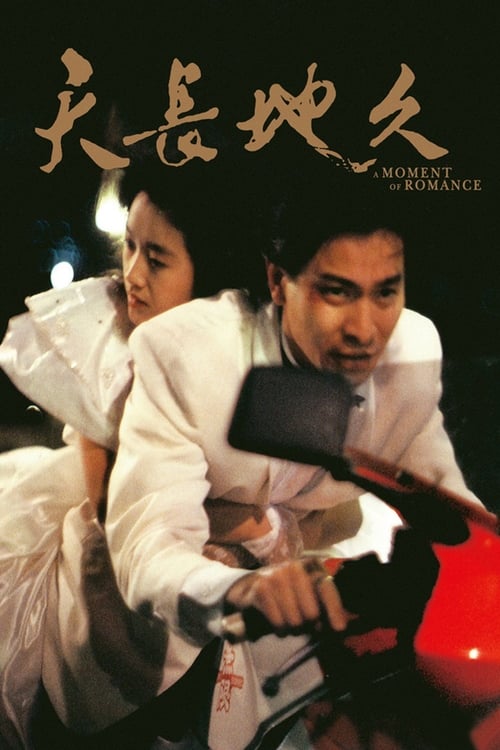
A Moment of Romance
1990
No user ratings available yet
Representation score: 4.1 out of 10
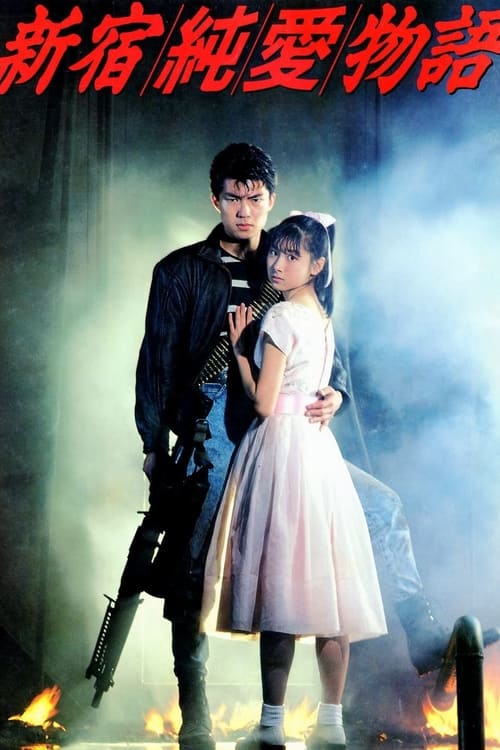
Representation Score
Fair
1987
Director
Hiroyuki Nasu
Runtime
95 minutes
Average Rating
No ratings yetNew Showbiz Analysis
The film stands out for its gritty, anti-establishment viewpoint. By depicting both organized crime and state authority as threats, it questions traditional social hierarchies and institutional trust. However, the narrative remains conventional in its character dynamics. The central romance follows a standard heterosexual pattern, and the setting reflects the demographic uniformity typical of 1980s Japanese urban cinema. While the film presents a 'street punk' protagonist who challenges civic respectability, it lacks meaningful representation across various identity categories.
Category Breakdown
The film focuses on a traditional heterosexual relationship between Ichijoji and Mari. There is no depiction of LGBTQ+ identities or challenges to conventional romantic structures.
Mari is featured in a high-stakes crime storyline rather than a domestic scenario. This portrayal offers her more control compared to typical submissive feminine roles of the time.
The film is set in Shinjuku and reflects the demographics of its era. It does not show diverse ethnic representation or multi-ethnic casting.
The story critiques social institutions by presenting both the Yakuza and police as antagonists. It emphasizes individual morality over systemic law and order.
There are no characters in the story dealing with physical, sensory, or neurodivergent conditions.
Present on Screen
Limited or Absent
Official Synopsis
Ichijoji is a street punk who stumbles across Mari and her cat. Mari and Ichijoji immediately fall in love but are chased by both yakuza and corrupt cops.
1990

1964
1995

2019
1987
1987

1973
1993
No reviews yet. Be the first to share your thoughts on this movie!
Use the rating form above to leave a star rating and optional review.