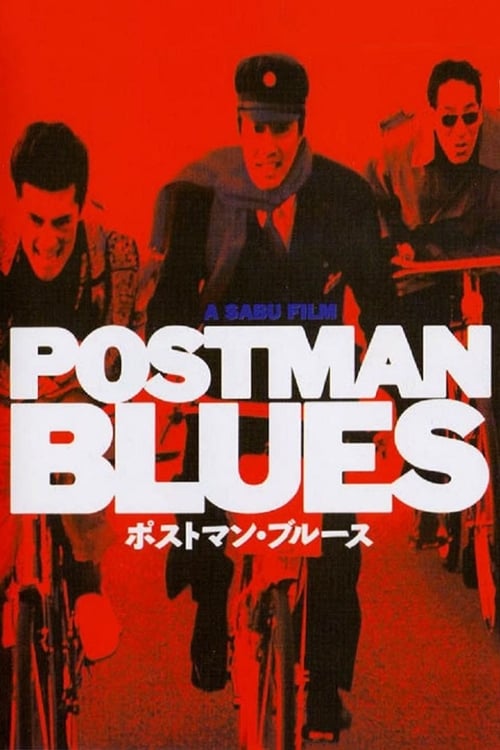
Postman Blues
1997
No user ratings available yet
Representation score: 4.5 out of 10
Representation Score
Limited
2007
Director
Yutaka Ogi
Runtime
92 minutes
Average Rating
No ratings yetNew Showbiz Analysis
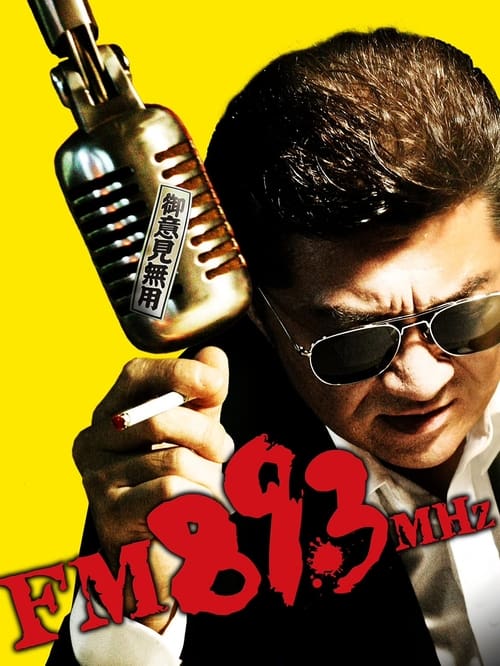
FM89.3MHz is a character study centered on the friction between disparate subcultures. It explores the displacement of a seasoned gangster into the fluid, pop-centric world of radio broadcasting. The film achieves moderate engagement by challenging traditional masculine archetypes. By placing a rigid criminal figure in a communicative, modern setting, it questions established power dynamics and social codes. However, the narrative lacks explicit markers of broader social diversity, focusing instead on the clash of institutional identities.
Category Breakdown
The film does not include any LGBTQ+ characters or stories about non-assuming gender matches what was assigned at birth identities. The plot revolves around the professional conflict between a gangster and a broadcaster.
A female character holds professional ability to act as an upbeat radio host, contrasting with the hyper-masculine, traditional criminal structures of the male protagonist.
As a Japanese production, the film operates within a culturally homogeneous framework. There is no evidence of intentional multicultural blending or race-bending in the narrative.
The story critiques traditional social roles by placing a Yakuza member in a modern, secular media environment. This highlights the friction between rigid hierarchies and contemporary culture.
There is no mention of characters navigating physical, sensory, or neurodivergent experiences. The narrative does not address disability.
Present on Screen
Limited or Absent
Official Synopsis
Okawa Family’s yakuza, Junji, is released from prison, and is told to take over a local radio station by his boss. Junji tries to explain that it is not a yakuza’s job to talk on the radio, but no one listens to him. He reluctantly goes to the radio building, and is met by a young, upbeat girl broadcasting a talk show and playing pop music. Will this seasoned gangster really fit in on such a show?
1997

1990
2007
1996

2015

2018

2018

2008
No reviews yet. Be the first to share your thoughts on this movie!
Use the rating form above to leave a star rating and optional review.