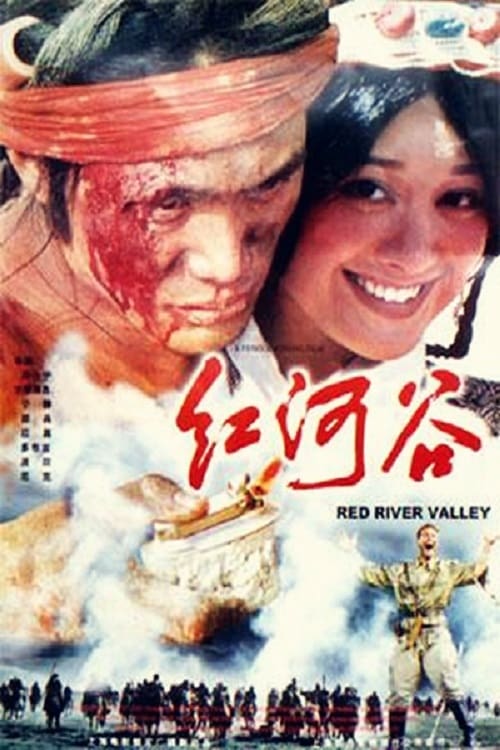
Red River Valley
1996
No user ratings available yet
Representation score: 5.4 out of 10
Representation Score
Good
1984
Director
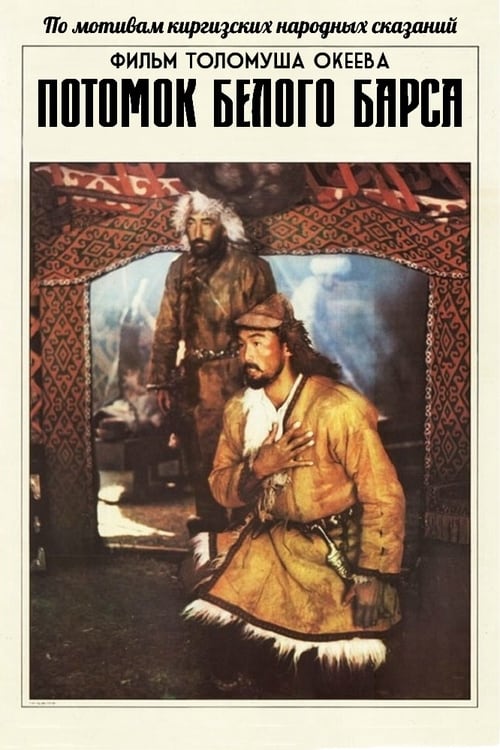
Tolomush Okeev
Runtime
134 minutes
Average Rating
No ratings yetNew Showbiz Analysis
The film stands out for its sophisticated subversion of traditional historical drama clichés. By centering a woman who uses gendered disguise to navigate a patriarchal wedding ritual, the story moves beyond simple romance into a study of individual ability to act and systemic disruption. Its strength lies in its cultural specificity and the way it uses Kirghizian folklore to explore complex human dynamics. While the film excels in gender subversion and ethnic representation, it lacks engagement with disability representation. However, its focus on non-Western narrative structures provides a vital departure from Eurocentric cinematic traditions.
Category Breakdown
The film uses the protagonist's decision to compete in athletic contests while disguised as a man to challenge traditional gender roles. This choice serves as a central plot device that questions societal expectations of gender performance.
The female protagonist demonstrates superior physical prowess and ability to act compared to male characters. She outperforms male contestants and drives the central conflict, subverting the passive female prize cliché.
The film provides a non-Western perspective centered around an indigenous Central Asian identity. It uses the conflict between highlanders and lowlanders as a metaphor for ethnic distinctions, rooted in Kirghizian folklore.
The narrative explores subjective morality and critiques rigid traditional institutions. It portrays arranged marriages and tribal survival pacts as structures that are ultimately broken by individual desire and social disruption.
There is no evidence of characters with visible or invisible disabilities being central to the narrative.
Present on Screen
Limited or Absent
Official Synopsis
The Russian Descendant of the Snow Leopard is based on a famous Kirghizian folktale. Apparently the Kirghizian folks had plenty of time to tell this story: to print a full synopsis would result in a novelette. Essentially, the story involves a proud group of highland hunters called the Snow Leopards, who in order to survive a brutal winter must request help from the Lowland people. The price for this assistance is the hand of the Snow Leopard's daughter, who is promised in marriage to a wealthy Lowland trader. During the Springtime wedding celebration, the trader becomes fascinated by a stranger who wins all the athletic contests. This "male" contestant turns out to be a woman, who has arrived to seek freedom for her imprisoned husband. The subsequent romance between the trader and the beautiful stranger results in disaster and bloodshed for both the Snow Leopards and the Lowlanders.
1996
1965
1958

1969
2003

1970
1956
1929
No reviews yet. Be the first to share your thoughts on this movie!
Use the rating form above to leave a star rating and optional review.