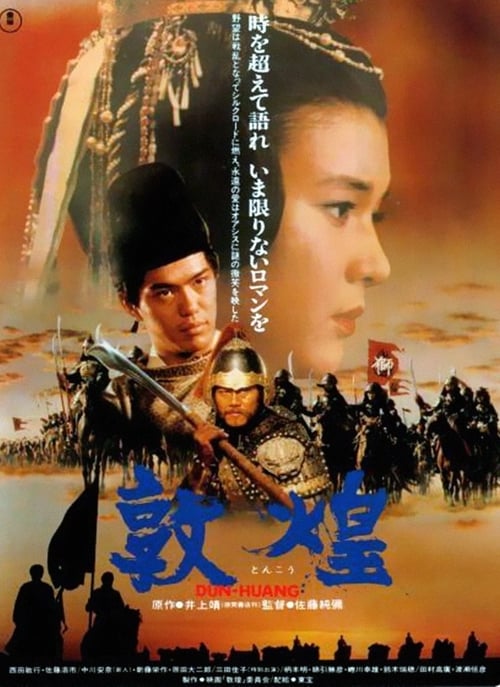
The Silk Road
1988
No user ratings available yet
Representation score: 4.8 out of 10
Representation Score
Limited
2003
Director
Oles Sanin
Runtime
80 minutes
Average Rating
No ratings yetNew Showbiz Analysis
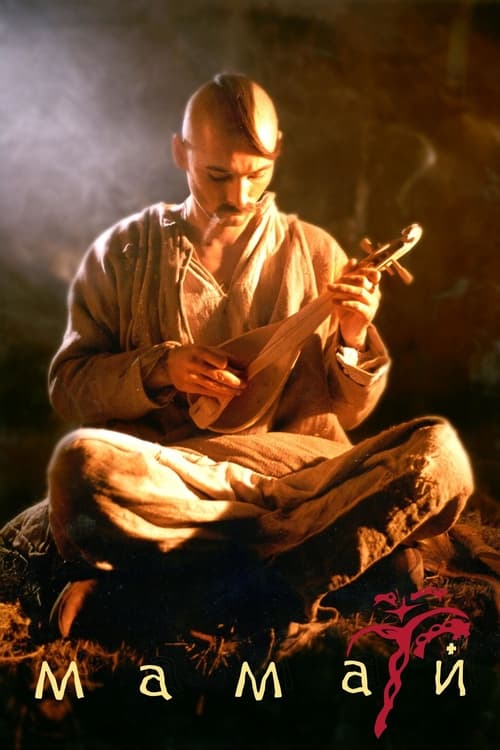
Mamay is a poetic historical drama that focuses on ethnic complexity rather than social subversion. By highlighting a romance between a Cossack and a Tatar woman, the film successfully breaks down monolithic historical narratives and explores the tension between different cultures. However, the film remains tied to traditional social structures. Gender dynamics reflect a male-dominated warrior culture where female characters have more emotional influence than structural power. The absence of LGBTQ+ representation reinforces a conventional, heterosexual framework. Ultimately, the film offers a nuanced exploration of identity and resistance. It uses the historical context of the steppes to challenge imperial structures, making it stand out for its cultural depth despite traditional gender roles.
Category Breakdown
The film follows traditional romantic storylines without featuring any LGBTQ+ identities or same-sex relationships.
The story centers around a male-dominated warrior culture. While Omai plays a key emotional role, the plot's direction is controlled by male Cossack figures.
The film highlights a romance between a Ukrainian Cossack and a Tatar woman, creating a rich, multi-ethnic portrait of the Crimean steppes.
The film uses a post-colonial perspective to depict the struggle for autonomy, focusing on mythic themes of resistance rather than strict religious teachings.
The film does not portray any visible or invisible disabilities.
Present on Screen
Limited or Absent
Official Synopsis
Mamay draws on traditional Ukranian and Tatar folktales for its Romeo and Juliet-like love story and parable about chivalry and the struggle for freedom. Hundreds of years ago, in the wild steppes of Crimea that form an uneasy border between East and West, Europe and Asia, nomad and farmer, the proud Cossack Mamay falls in love with the Tatar beauty Omai. The title, like the storyline, holds a variety of different meanings taken from different cultures. In Turkic languages, it means "no one," but it was also the name of a famous Mongol conqueror, the great grandson of Ghengis-Khan. In Persian legends, mamay literally means "the spirit of the steppes. "
1988

2004
1972
2018
2009
2022
1909
1991
No reviews yet. Be the first to share your thoughts on this movie!
Use the rating form above to leave a star rating and optional review.