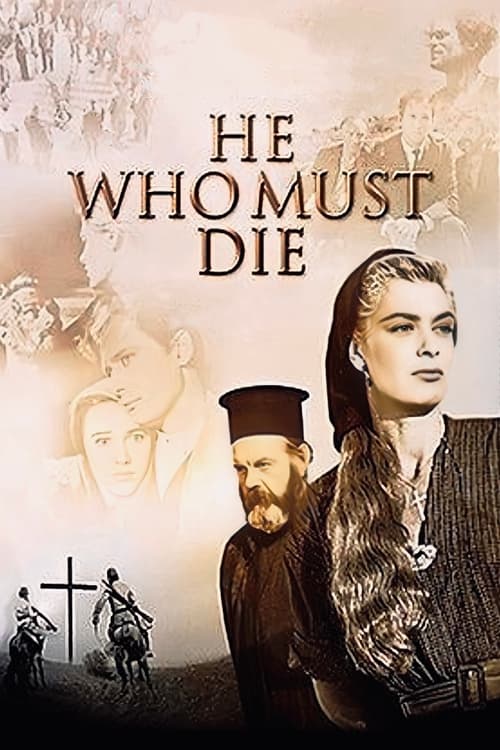
He Who Must Die
1957
No user ratings available yet
Representation score: 4.4 out of 10
Representation Score
Limited
2022
RDirector
Abel Ferrara
Runtime
104 minutes
Average Rating
No ratings yetNew Showbiz Analysis
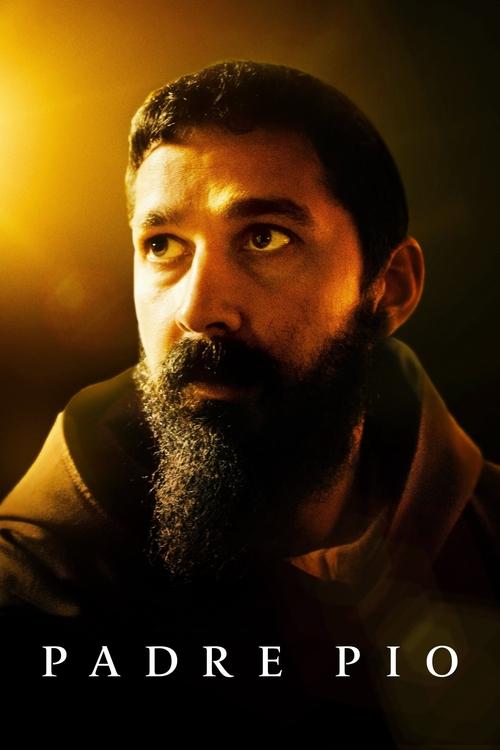
Abel Ferrara’s *Padre Pio* is a traditional biographical drama that emphasizes historical and theological authenticity over contemporary characters who reflect more than one aspect of diversity. The film recreates a specific spiritual environment, which inherently restricts the inclusion of diverse social identities. The narrative structure upholds the social and religious norms of the early 1900s, focusing on the absolute morality of the saint and the Church’s influence, rather than challenging traditional hierarchies. Ultimately, the film serves as a study of devotion and institutional conflict, honoring a specific historical period rather than promoting progressive social change.
Category Breakdown
The film adheres closely to the strict social structures of early 20th-century Italy, focusing on traditional relationships and excluding non-conforming gender identities.
The story revolves around a male-dominated church structure and the spiritual journey of a male protagonist. Women are present but primarily in traditional roles of domesticity or devotion.
Casting reflects the actual ethnic makeup of rural, post-WWI Italy, avoiding whitewashing while maintaining authentic regional identities.
The film delves into the spiritual struggles and institutional conflicts within a Catholic context, focusing on singular Christian morality without critiquing broader religious institutions.
The portrayal of the stigmata emphasizes physical suffering through a theological lens, focusing on the body's experience without reducing it to a mere plot device.
Present on Screen
Limited or Absent
Official Synopsis
It is the end of World War I and the young Italian soldiers are making their way back to San Giovanni Rotondo, a land of poverty, with a tradition of violence and submission to the iron-clad rule of the church and its wealthy landowners. Families are desperate, the men are broken, albeit victorious. Padre Pio also arrives, at a remote Capuchin monastery, to begin his ministry, evoking an aura of charisma, saintliness and epic visions of Jesus, Mary and the Devil himself. The eve of the first free elections in Italy sets the stage for a massacre with a metaphorical dimension: an apocalyptic event that changes the course of history.
1957
1972
2021

1943
2008
1950
2005
2020
No reviews yet. Be the first to share your thoughts on this movie!
Use the rating form above to leave a star rating and optional review.