
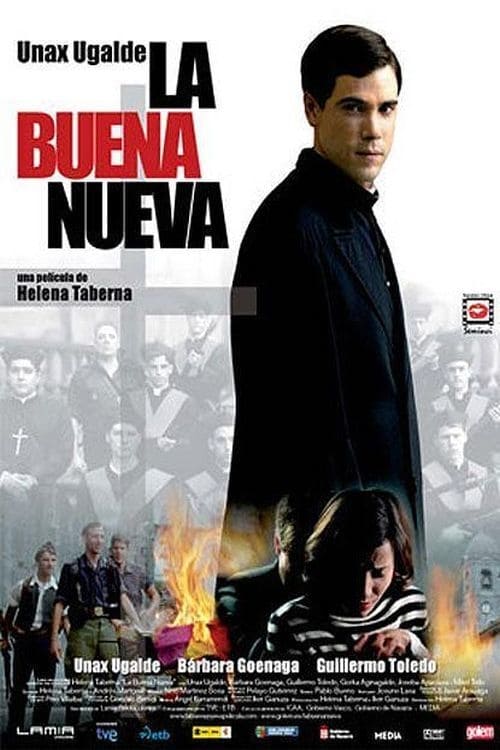
Mirando al Cielo
2021
No user ratings available yet
Representation score: 1.2 out of 10
Representation Score
Limited
2008
Director
Helena Taberna
Runtime
108 minutes
Average Rating
No ratings yetNew Showbiz Analysis
The film serves as a historical inquiry into the Spanish Civil War, prioritizing social realism over contemporary identity-based representation. It lacks LGBTQ+ and racial diversity, reflecting the specific demographic constraints of its 1930s setting. However, it achieves merit through its systemic critique. By placing a priest in conflict with ecclesiastical and military hierarchies, it disrupts conventional portrayals of institutional benevolence and explores the struggle of individual ability to act against power.
Category Breakdown
The film focuses on the historical and religious tensions of the Spanish Civil War. There are no LGBTQ+ characters or non-cisgender identities portrayed in this setting.
The main conflict centers around a male priest navigating the rigid hierarchy of his institution. While the community setting hints at broader dynamics, the story stays focused on traditionally masculine struggles.
The cast mirrors the demographic reality of rural 1930s Spain. The community is largely homogeneous, emphasizing historical accuracy over diverse casting choices.
The film critiques traditional Western institutions by challenging religious and state authority. It examines the tension between religious dogma and socialist community values during a period of systemic oppression.
There is no documentation of characters with physical or neurodivergent disabilities in this production.
Present on Screen
Limited or Absent
Official Synopsis
Miguel is appointed parish priest of a socialist town coinciding with the uprising of 1936. In his struggle to defend the reprisals, the young priest will face the ecclesiastical and military hierarchy, putting his own life at stake.
2021

2011

1953

2013

2013

2012
1996

1995
No reviews yet. Be the first to share your thoughts on this movie!
Use the rating form above to leave a star rating and optional review.