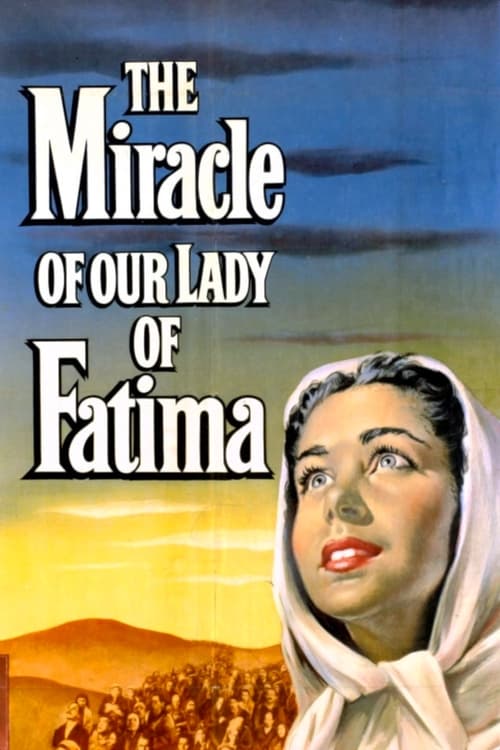
The Miracle of Our Lady of Fatima
1952
No user ratings available yet
Representation score: 1.0 out of 10
Representation Score
Fair
2020
PG-13Director
Marco Pontecorvo
Runtime
113 minutes
Average Rating
No ratings yetNew Showbiz Analysis
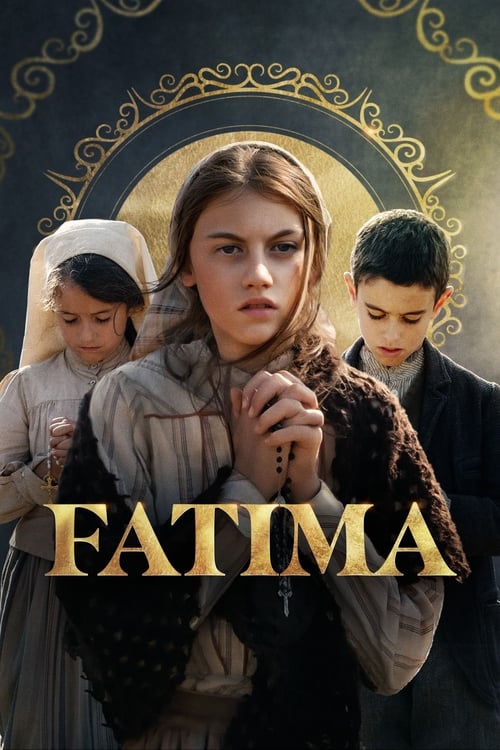
Fatima's journey as a character study of individual ability to act against institutional power is compelling. By focusing on a young girl's subjective experience, the film challenges the rigid authority of both the Church and the secular government. While the film lacks representation for LGBTQ+ and disabled communities, it offers a sophisticated look at how personal truth can disrupt established social orders. The tension between dogmatic tradition and situational empathy provides a nuanced emotional core. The historical setting is used effectively to explore cultural specificity, though the focus remains largely on religious and class-based dynamics rather than a wide spectrum of racial diversity.
Category Breakdown
The film follows the social norms of its 1917 setting and does not include any non-traditional gender identities or stories that challenge the assumption that everyone is straight or cisgender.
Fatima moves from a passive role to an active driver of the story, disrupting the restrictive expectations usually placed on young women.
The film highlights a culturally specific Mediterranean atmosphere. The narrative focuses more on the intersection of class and religion than on broad racial diversity.
The film critiques institutional dogma by contrasting strict traditions with empathetic human connections. It portrays the conflict between Church and state as a complex struggle of systemic power.
There are no prominent depictions of visible or invisible disabilities that significantly impact the characters or the plot.
Present on Screen
Limited or Absent
Official Synopsis
In 1917, outside the parish of Fátima, Portugal, a 10-year-old girl and her two younger cousins witness multiple visitations of the Virgin Mary, who tells them that only prayer and suffering will bring an end to World War I. As secularist government officials and Church leaders try to force the children to recant their story, word of the sighting spreads across the country, inspiring religious pilgrims to flock to the site in hopes of witnessing a miracle..
1952

1943
2014
2012
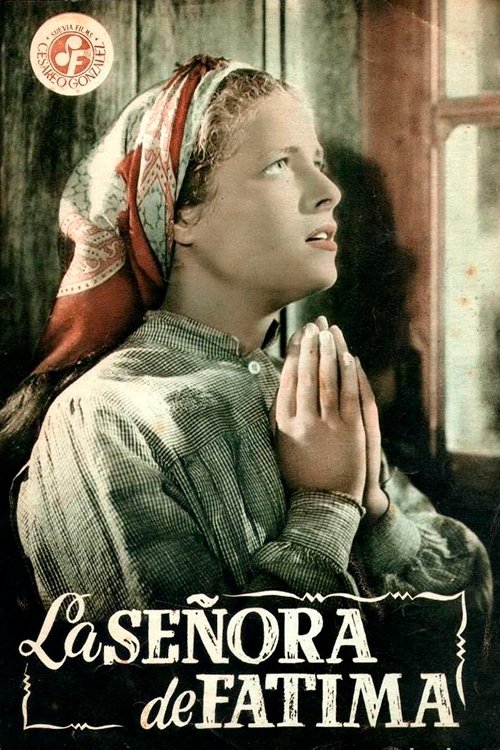
1951

2015

2019
2017
No reviews yet. Be the first to share your thoughts on this movie!
Use the rating form above to leave a star rating and optional review.