
The Mad Women's Ball
2021
No user ratings available yet
Representation score: 8.8 out of 10
Representation Score
Excellent
2024
Director
Arnaud des Pallières
Runtime
122 minutes
Average Rating
No ratings yetNew Showbiz Analysis
Party of Fools is a sophisticated historical drama that challenges conventional perceptions of institutionalization. It succeeds by reframing the 'madwoman' as a figure of defiance rather than a subject of medical observation. The film's primary strength is its narrative structure, which prioritizes the ability to act of underrepresented women. By centering the story on their perspectives, it disrupts traditional formulas and critiques the systemic structures of the 19th-century medical establishment. However, the film's focus on a specific gendered and class-based institution limits its broader reach. While it excels in disability and gender representation, it offers less clarity regarding racial and ethnic diversity within the Parisian social landscape.
Category Breakdown
The film explores unexpected friendships within a sequestered female community. This suggests an investigation into non-traditional social bonds and a critique of restrictive 19th-century gendered structures.
Female characters demonstrate high ability to act, defying traditional 19th-century depictions of passivity. The focus on a female-only space allows for a direct subversion of patriarchal medical and social oversight.
The narrative focuses on the internal social dynamics of a specific class and gendered institution. There is little evidence to confirm a diverse or non-Anglo-centric cast within this Parisian setting.
The story critiques traditional Western institutions, specifically the medical and psychiatric establishments of the era. It portrays the asylum as a trap, emphasizing themes of institutional resistance.
Neurodivergence is treated through a lens of ability to act rather than pathology. The film centers on the lived experiences and social resistance of those labeled as 'madwomen' rather than using them as objects of pity.
Present on Screen
Limited or Absent
Official Synopsis
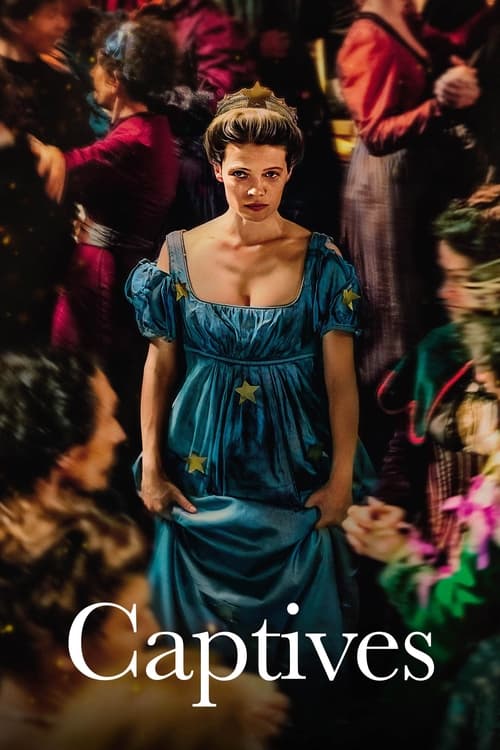
Paris, 1894. Who is Fanni, who claims to be voluntarily locked up in a women-only mental institution? Searching for her mother among the multitude of so-called 'madwomen', Fanni discovers a community of modern heroines who defy her expectations, along with the unexpected friendship of fellow patients. The sumptuous and renowned 'Party of Fools' of the asylum is in preparation. Politicians, artists, and socialites will flock to it. It’s her last hope of escaping the closing trap.
2021

2016

1969

1975
2012
2019

2023

2013
No reviews yet. Be the first to share your thoughts on this movie!
Use the rating form above to leave a star rating and optional review.