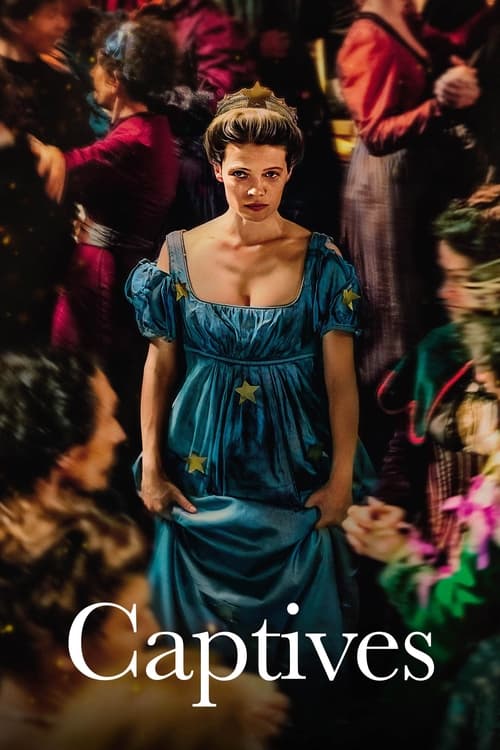
Party of Fools
2024
No user ratings available yet
Representation score: 8.4 out of 10
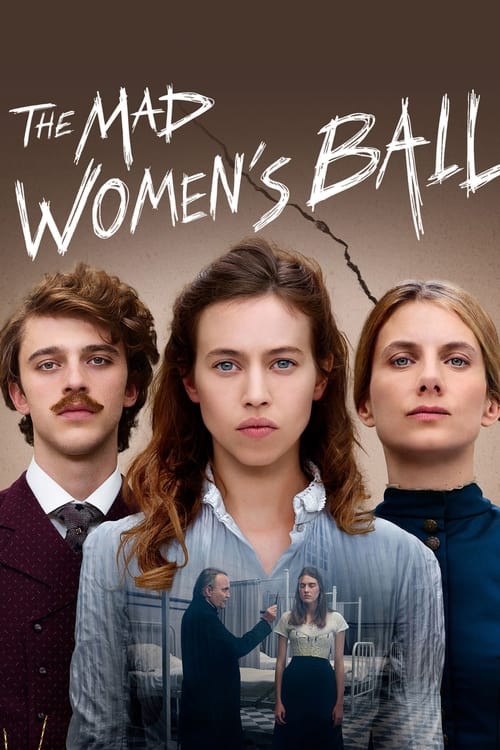
Representation Score
Excellent
2021
Director
Mélanie Laurent
Runtime
122 minutes
Average Rating
No ratings yetNew Showbiz Analysis
Mélanie Laurent’s film serves as a sophisticated critique of 19th-century institutional power. By centering women underrepresented by both gender and mental health status, the story challenges historical clichés that treat psychiatric institutions as mere backdrops for medical progress. The film effectively shifts the focus from the perceived dysfunction of individuals to the systemic dysfunction of the institutions governing them. While the historical setting limits racial diversity, the film compensates through a deep exploration of class, gender, and the fight for autonomy against an oppressive medical establishment.
Category Breakdown
The film examines the emotional bonds and intimate connections between women in a repressive 1880s environment. It critiques the era's narrow focus on straight relationships by highlighting intense emotional ties.
The movie challenges traditional gender hierarchies by depicting the male-dominated medical establishment as an oppressive force. The protagonists reclaim their roles and identities through collective action and solidarity.
The cast reflects the historically homogeneous demographic of a 1885 Parisian institution. While the film lacks racial diversity, it explores identity through socioeconomic stratification.
The film criticizes the 19th-century Western medical and legal systems by framing institutional authority as corrupt. It prioritizes individual autonomy over state-mandated order.
The film portrays neurodivergence with nuance, focusing on the characters' internal lives and struggles for dignity. It avoids sensationalism, emphasizing systemic failures that strip individuals of their personhood.
Present on Screen
Limited or Absent
Official Synopsis
A woman who is unfairly institutionalized at a Paris asylum plots to escape with the help of one of its nurses. Based on the novel 'Le bal des folles' by Victoria Mas.
2024

2016
2012

2024

1975
2010
2017
2018
No reviews yet. Be the first to share your thoughts on this movie!
Use the rating form above to leave a star rating and optional review.