
The Scribbler
2014
No user ratings available yet
Representation score: 7.3 out of 10
Representation Score
Good
2019
TV-14Director
Karen Moncrieff
Runtime
88 minutes
Average Rating
No ratings yetNew Showbiz Analysis
The film excels at challenging traditional gender hierarchies by centering on a woman's intellect and ability to act. It provides a meaningful critique of institutional power and the mistreatment of the mentally ill. However, the narrative remains limited by its historical setting, resulting in a lack of racial the way different parts of someone's identity overlap and LGBTQ+ visibility. The focus stays narrow on class and gender issues. Ultimately, the film's strength lies in its progressive thematic depth regarding systemic corruption, even while it maintains a relatively homogeneous social scope.
Category Breakdown
The film does not include explicit LGBTQ+ identities or relationships. It focuses on the protagonist's undercover mission and the gendered experience of the asylum.
Nellie Bly serves as a powerful driver of the plot, navigating male-dominated journalism and psychiatric administration. The film portrays women's ability to drive the story as a corrective force against patriarchal systemic incompetence.
Set in the late 19th century, the narrative focuses on the socioeconomic plight of impoverished women. It lacks significant racial the way different parts of someone's identity overlap within the primary character arcs.
The film critiques Western medical and psychiatric systems of the late 1800s. It portrays these institutions as corrupt, oppressive structures that require external scrutiny to ensure justice.
The film offers a nuanced look at mental health by focusing on systemic mistreatment. It avoids clichés by portraying patients as victims of a broken system rather than mere plot devices.
Present on Screen
Limited or Absent
Official Synopsis
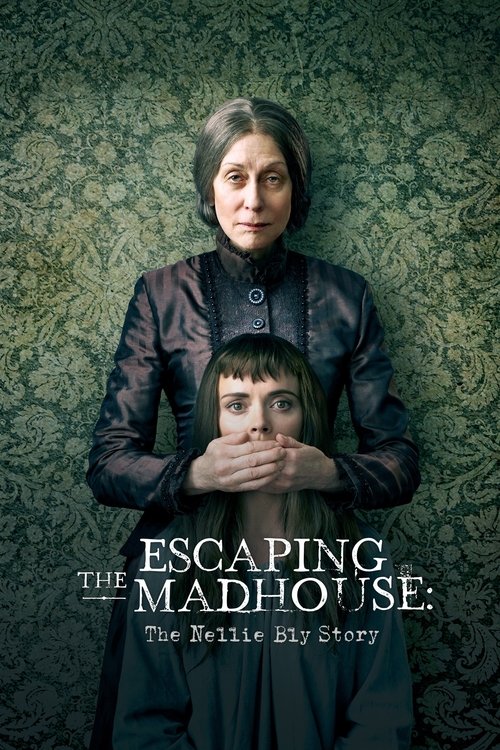
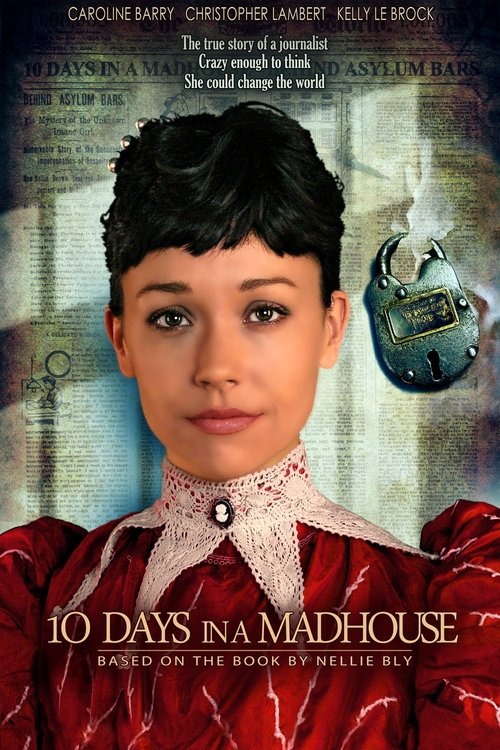
An investigative reporter Nellie Bly, who’s on a mission to expose the deplorable conditions and mistreatment of patients at the notorious Women’s Lunatic Asylum, and feigns mental illness in order to be institutionalized to report from the inside. The movie is an account of actual events surrounding Nellie’s stay beginning after she has undergone treatment, leaving her with no recollection of how she came to the asylum or her real identity.
2014
1963
2015
1948
2015

2018
2018
2010
No reviews yet. Be the first to share your thoughts on this movie!
Use the rating form above to leave a star rating and optional review.