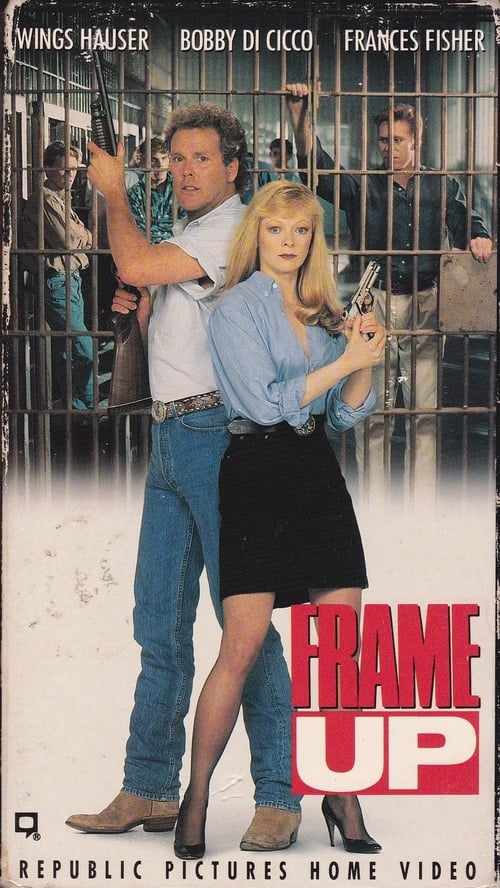
Frame Up
1991
No user ratings available yet
Diversity score: 3.1 out of 10
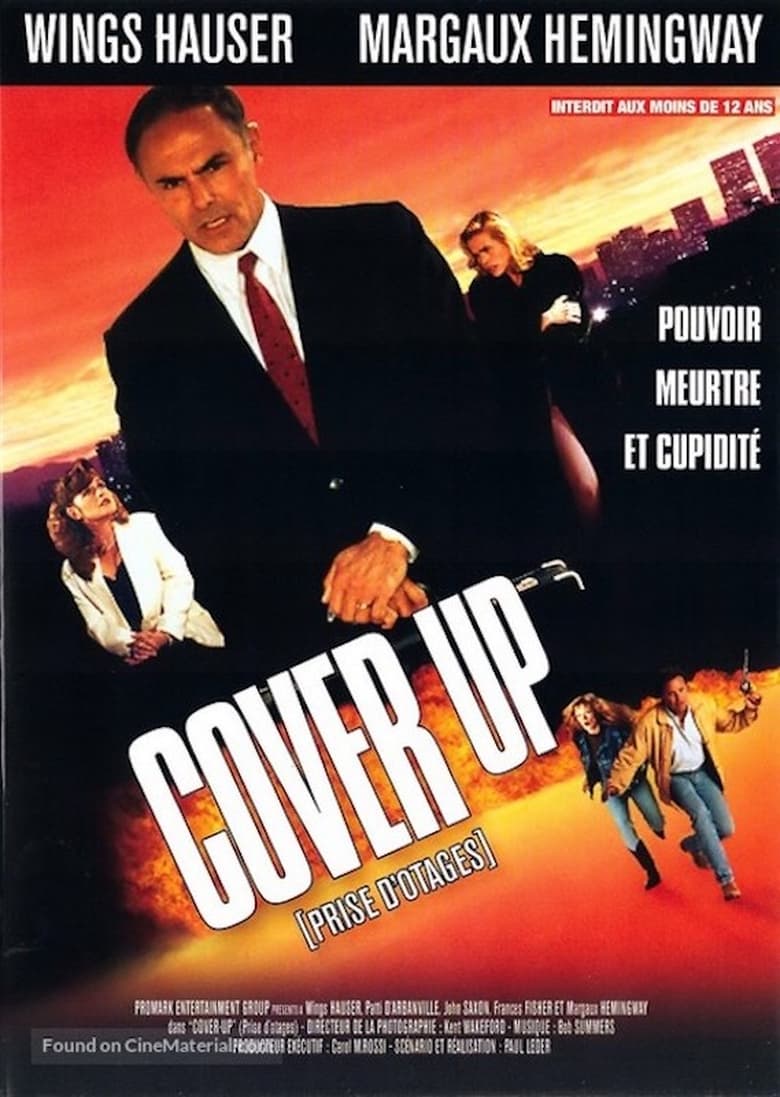
1994
RDirector
Paul Leder
Runtime
92 minutes
Average Rating
No ratings yetSynopsis
The bank president in a small California town isn't quite the upstanding citizen he appears to be--he's a corrupt killer, who has just kidnapped the wife and daughter of the local sheriff.
Overall Score
Limited
Category Breakdown
LGBTQ+ Representation
The film lacks LGBTQ+ characters or non-cisnormative identities. The narrative architecture adheres to standard heteronormative family structures.
Gender Representation
Female characters function as passive catalysts through the 'damsel in distress' trope. Primary agency remains tethered to male-driven conflict and traditional hierarchies.
Racial & Ethnic Diversity
The small California setting suggests a homogeneous casting typical of 1990s action cinema. There are no explicit indicators of racial blending or high-agency characters of color.
Religious & Cultural Diversity
The story critiques institutional corruption within banking and local leadership. However, it does so through a standard crime thriller lens rather than a systemic critique.
Disability Representation
There is no information regarding the inclusion of characters with visible or invisible disabilities.
Strengths
Areas for Improvement
AI Analysis
Frame-Up II: The Cover-Up operates as a conventional 1990s action thriller. It relies heavily on established genre tropes, such as the corrupt authority figure and the domestic family unit under threat, to drive its plot. The film reinforces traditional social hierarchies rather than subverting them. By centering the narrative on a male sheriff responding to the kidnapping of female relatives, the film prioritizes standard action mechanics over intersectional complexity. Ultimately, the work lacks significant representation across most identity categories, functioning as a mid-budget genre piece that follows the predictable social norms of its era.
1991
1997
1992
1993
1989
1991

2007
1991
1992
1976
1995
2018
No reviews yet. Be the first to share your thoughts on this movie!
Use the rating form above to leave a star rating and optional review.