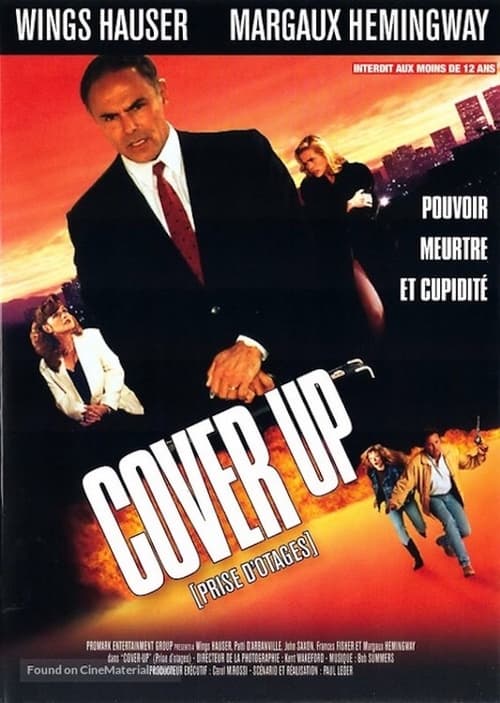
Frame-Up II: The Cover-Up
1994
No user ratings available yet
Diversity score: 3.1 out of 10
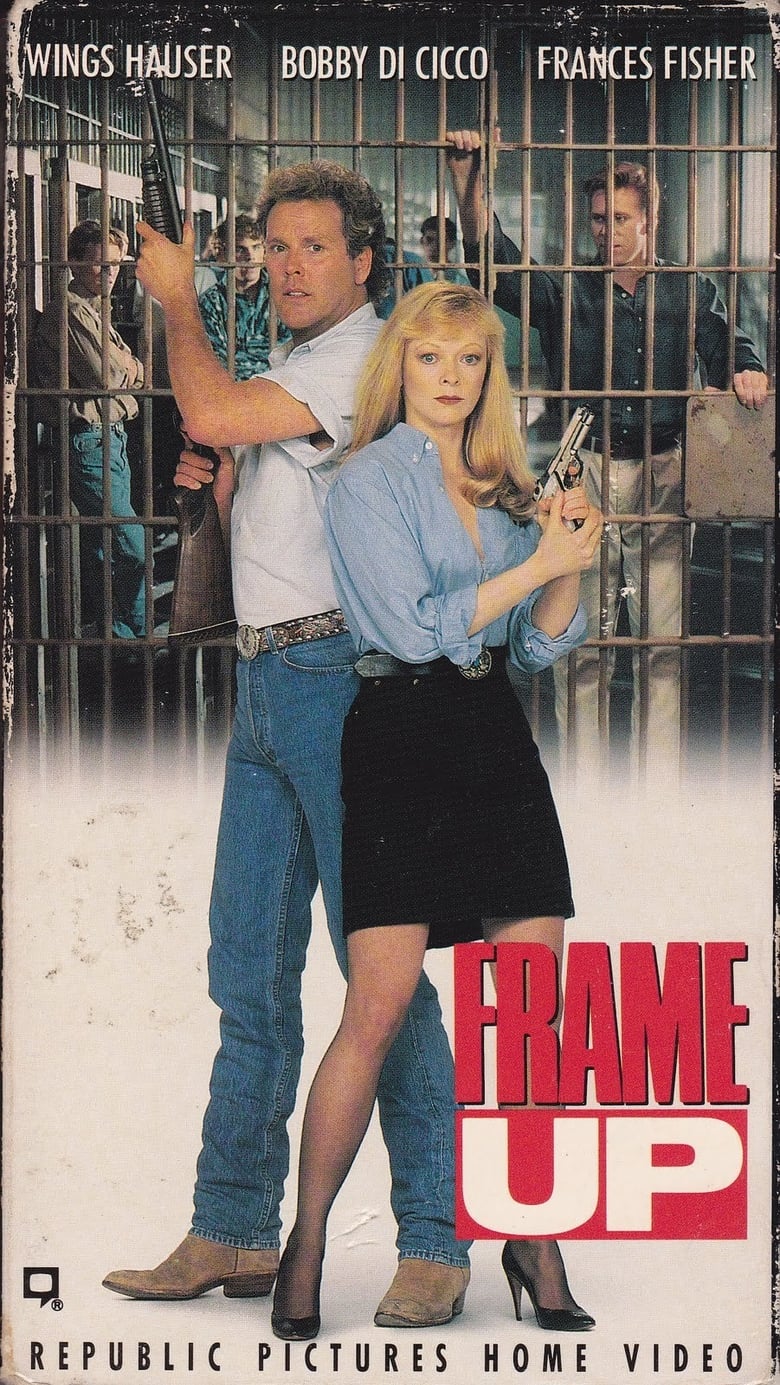
1991
RDirector
Paul Leder
Runtime
93 minutes
Average Rating
No ratings yetSynopsis
In the small American town of Orton Creek, David Farmer is accidentally killed by Don Curran, son of town tyrant Will Curran, during a fraternity initiation. The frat boys frame electronic parts salesman Frank Govers for hit-and-run but determined newcomer Sheriff Ralph Baker and his love interest Jo Westlake seek the truth. Govers and girlfriend Lee Ann Hadley hide in a hunting cabin and are captured by prison escapees Mick August and Merlin Wells (who is tricked by Govers into electrocuting himself). August tries to claim the bounty on Govers from Will Curran but Sheriff Baker is only one step behind.
Overall Score
Limited
Category Breakdown
LGBTQ+ Representation
The film adheres to heteronormative structures, focusing on traditional romantic pairings. There is no depiction of same-sex intimacy or non-cisnormative identities.
Gender Representation
Agency is primarily held by male characters like the Sheriff and Frank Govers. While Jo Westlake is a central figure, her role is framed through her relationship with the Sheriff.
Racial & Ethnic Diversity
The setting and character names suggest a homogeneous casting profile. There is no indication of a non-white majority cast or intentional racial blending.
Religious & Cultural Diversity
The story follows a conventional morality tale centered on law and order. It focuses on restoring legal truth rather than critiquing Western institutions or social norms.
Disability Representation
The film provides no information regarding the depiction of physical, neurodivergent, or mental health conditions.
Strengths
Areas for Improvement
AI Analysis
Frame Up operates as a standard genre thriller that relies heavily on traditional social hierarchies. The narrative architecture favors masculine archetypes of authority and conflict, with most agency residing in male characters. The film's romantic structures are strictly heteronormative, and the setting reflects a homogeneous small-town American profile. It lacks engagement with intersectional representation or the subversion of established cultural norms. Ultimately, the film functions within conventional late-20th-century tropes, prioritizing a localized struggle for justice over any meaningful exploration of diverse identities or systemic critiques.
No reviews yet. Be the first to share your thoughts on this movie!
Use the rating form above to leave a star rating and optional review.