
Sun Scarred
2006
No user ratings available yet
Representation score: 2.0 out of 10
Representation Score
Limited
1992
RDirector
Tōru Murakawa
Runtime
88 minutes
Average Rating
No ratings yetNew Showbiz Analysis
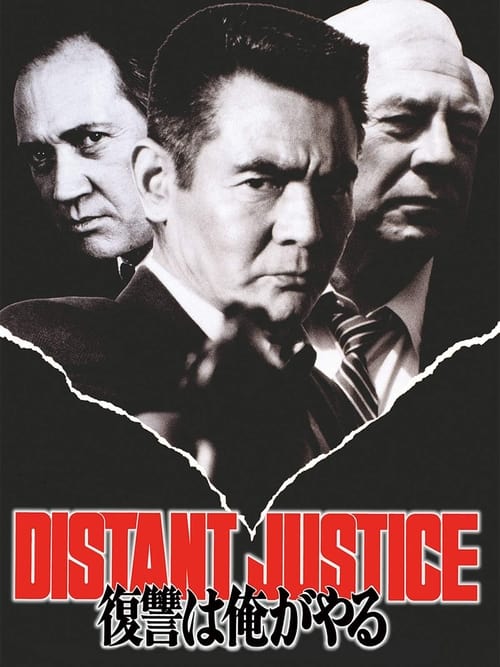
Distant Justice is a typical 1990s action film that relies heavily on established genre clichés. The plot is driven by the disruption of a conventional family structure, serving as the primary motivation for the male lead. The film lacks intentional challenges to social or identity-based hierarchies. Instead, it reinforces traditional cinematic structures where masculine control and familial loss dictate the narrative arc. Ultimately, the work functions as a localized tale of vengeance rather than a diverse or systemic exploration of identity.
Category Breakdown
The film focuses on a traditional family unit and does not include any characters with non-conforming gender identities or narratives that challenge conventional social structures.
The story follows a masculine hero cliché where the male protagonist holds significant control over the narrative. Female characters primarily serve as catalysts for his journey rather than having their own independent roles.
As a Japanese production, the film focuses on localized power structures. However, there is no specific evidence regarding the depiction of ethnic minorities or diverse casting.
The narrative utilizes a classic vigilante framework focused on personal retribution. It prioritizes individual justice over a systemic critique of social or political hierarchies.
The film provides no information regarding the inclusion or portrayal of characters with physical or neurodivergent disabilities.
Present on Screen
Limited or Absent
Official Synopsis
After his daughter is kidnapped and his wife murdered by drug dealers, a man finds that the gang is protected by corrupt politicians, and sets out to wipe out the gang and expose the politicians.
2006
1974
1987

1983
1997

1973
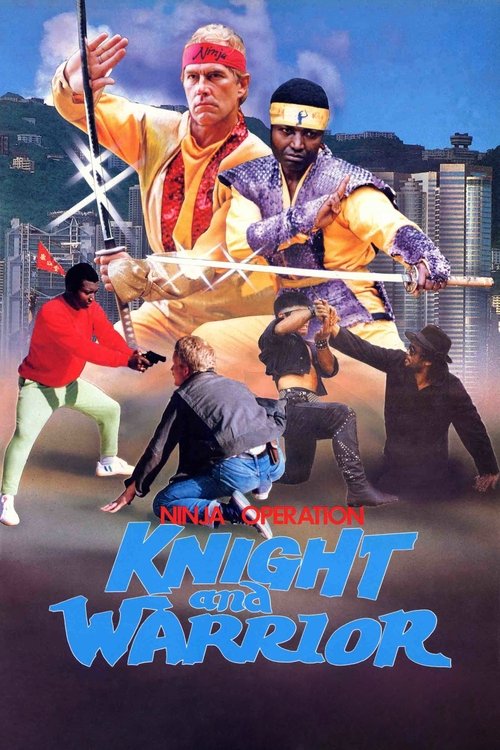
1987
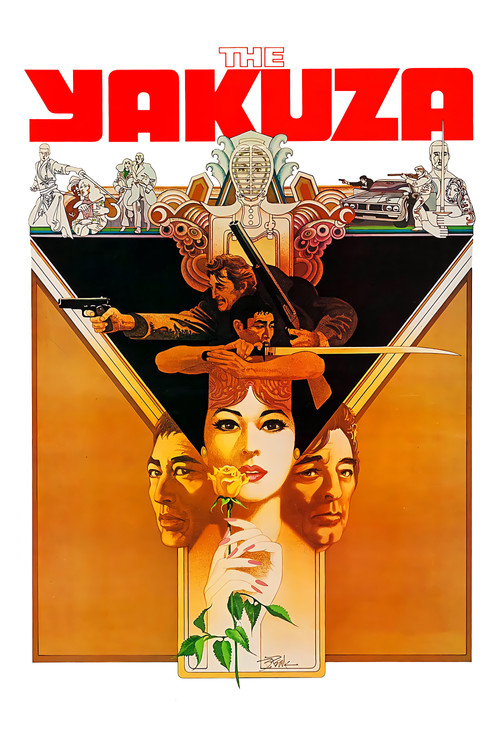
1974
No reviews yet. Be the first to share your thoughts on this movie!
Use the rating form above to leave a star rating and optional review.