Border Shootout
1989
No user ratings available yet
Diversity score: 2.7 out of 10

1976
RDirector
Jack Starrett
Runtime
96 minutes
Average Rating
No ratings yetSynopsis
A crooked sheriff in a small Southern town frames an ex-convict in a drug bust and takes his girlfriend.
Overall Score
Limited
Category Breakdown
LGBTQ+ Representation
The film lacks LGBTQ+ characters or non-heteronormative narratives. It relies on a traditional romantic pairing between the ex-convict and his girlfriend.
Gender Representation
Gender roles follow strict hierarchies. The female character lacks agency, serving primarily as an object of contention between the male protagonist and antagonist.
Racial & Ethnic Diversity
The film likely reflects the homogeneous social structures of 1970s regional cinema. There is no evidence of a diverse cast or non-white majority.
Religious & Cultural Diversity
The story uses a standard Western framework of law and order. It focuses on individual justice rather than exploring systemic or institutional critiques.
Disability Representation
There is no mention of characters with visible or invisible disabilities in the narrative.
Strengths
Areas for Improvement
AI Analysis
A Small Town in Texas is a product of 1970s genre-driven action cinema, prioritizing individualistic conflict over social complexity. The narrative structure adheres to the conventional tropes of its era, focusing on a male-centric struggle for justice. The film lacks intersectional depth, presenting a world defined by traditional social hierarchies. Characters often serve archetypal roles rather than representing diverse lived experiences or challenging systemic norms. Ultimately, the work functions as a standard morality tale. It avoids progressive narrative disruption in favor of established genre expectations regarding gender, race, and sexuality.
1989

1976

1988

1994

1974

1984

1989

1991

1967

1974
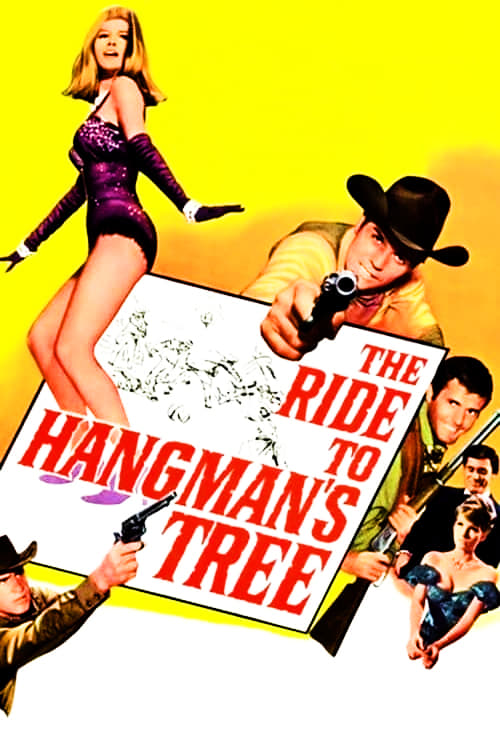
1967

1969
No reviews yet. Be the first to share your thoughts on this movie!
Use the rating form above to leave a star rating and optional review.