Desert Snow
1989
No user ratings available yet
Diversity score: 2.7 out of 10
No Poster Available
1989
Director
Chris McIntyre
Runtime
96 minutes
Average Rating
No ratings yetSynopsis
Young rancher Kirby Frye is appointed deputy in a small town tyrannized by ruthless Phil Sundeen, the son of one of the founders of the town.
Overall Score
Limited
Category Breakdown
LGBTQ+ Representation
The film lacks queer visibility or non-cisnormative identities. It adheres to the conventional social frameworks typical of late-80s action cinema.
Gender Representation
The story centers on a masculine struggle for authority between a male protagonist and antagonist. It lacks subversion of gender hierarchies or diverse female roles.
Racial & Ethnic Diversity
The narrative appears to reflect traditional, Anglo-centric casting patterns. It focuses on localized, likely homogeneous social structures within a ranching town setting.
Religious & Cultural Diversity
The plot follows a classic law versus lawlessness framework. It prioritizes restoring community order over critiques of Western institutions or moral relativism.
Disability Representation
There is no evidence regarding the inclusion of characters with visible or invisible disabilities. The focus remains strictly on the town's leadership conflict.
Strengths
Areas for Improvement
AI Analysis
Border Shootout is a conventional genre piece that relies heavily on established action tropes. The narrative structure prioritizes a traditional masculine struggle for power, centering on a male deputy reclaiming order from a corrupt local family. The film shows minimal engagement with intersectional identities. It operates within the standard social and casting frameworks of late-80s exploitation cinema, offering little disruption to historical or social hierarchies. Ultimately, the film functions as a localized conflict of authority rather than a vehicle for social commentary or diverse representation.
1989
1976
1989
1966
2009
2008
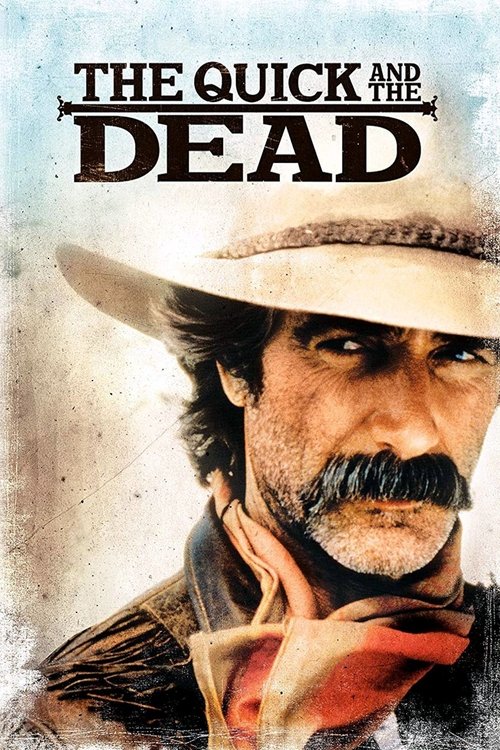
1987
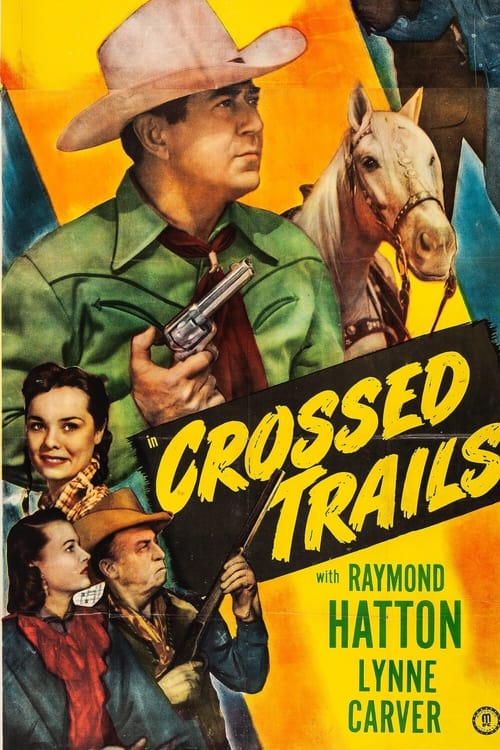
1948

1965
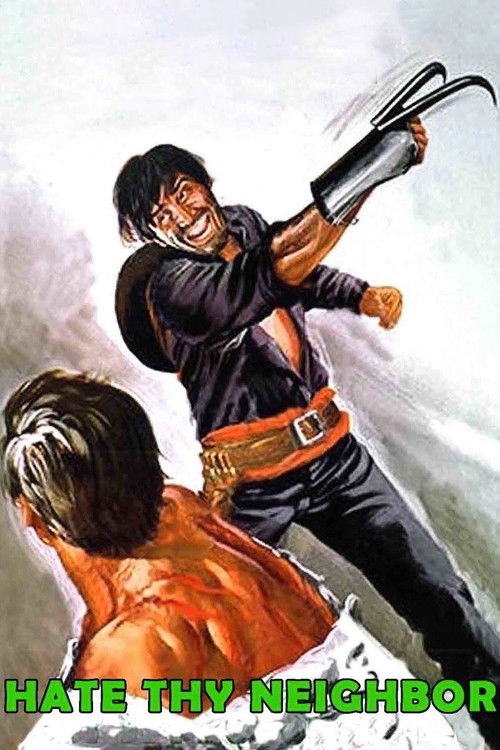
1968
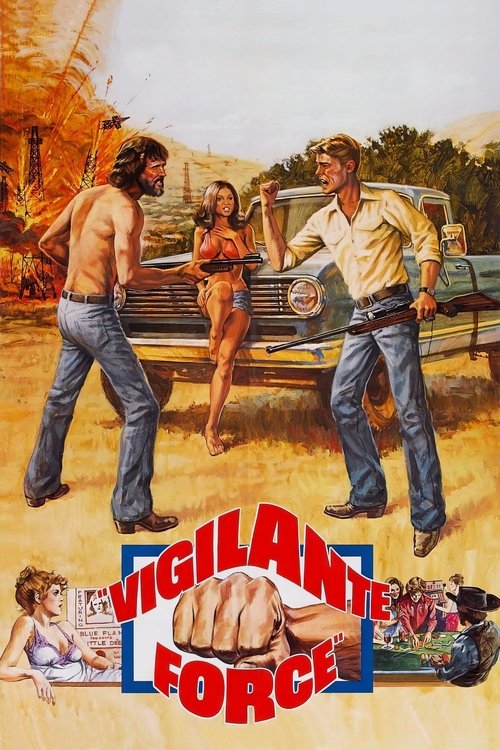
1976
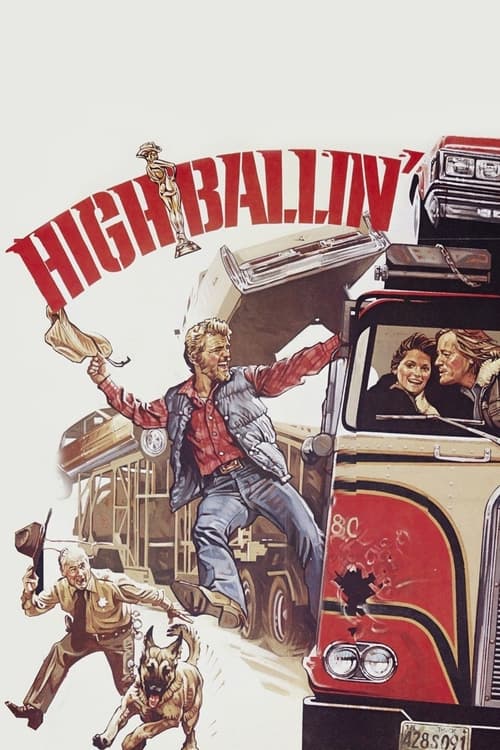
1978
No reviews yet. Be the first to share your thoughts on this movie!
Use the rating form above to leave a star rating and optional review.