Back from Madness: The Struggle for Sanity
1996
No user ratings available yet
Representation score: 7.8 out of 10
Representation Score
Excellent
1983
Director
Ara Chekmayan, Richard Kotuk
Runtime
57 minutes
Average Rating
No ratings yetNew Showbiz Analysis
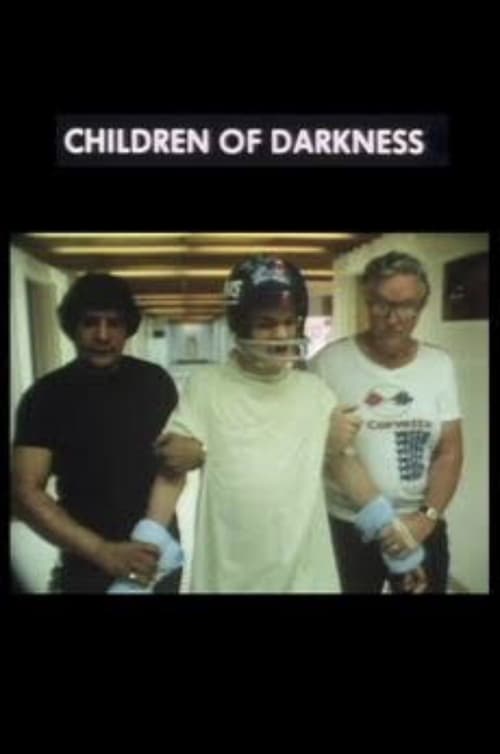
Children of Darkness is a social-realist documentary that prioritizes the perspectives of neurodivergent youth over institutional narratives. By focusing on systemic failures within mental health facilities, the film avoids reducing patients to mere medical curiosities. The work excels in its portrayal of disability, exposing the harm caused by inexperienced professionals and critiquing traditional authority structures. While the film lacks specific focus on LGBTQ+ identities or explicit racial breakdowns, it provides a broad, multi-layered view of institutional mistreatment.
Category Breakdown
The film focuses on neurodivergence and mental health rather than sexual orientation. There is no explicit evidence of LGBTQ+ characters or narratives addressing gender identity.
The film centers on children and teenagers from various social backgrounds, implicitly challenging the authority of adults and the systems they represent.
By following individuals from different social backgrounds, the film offers a layered perspective on how institutional mistreatment affects various demographics within the mental health system.
The documentary critiques Western institutional frameworks, emphasizing the lived experiences of patients over the official narratives of medical and state-run institutions.
The film's primary strength lies in its focus on the perspectives of those with schizophrenia and autism, highlighting their struggles against systemic injustice and inadequate care.
Present on Screen
Limited or Absent
Official Synopsis
A significant number of American children and teenagers - from all social backgrounds - suffer from mental disorders, schizophrenia, autism and emotional problems, leading them to isolation from society while treating their issues in mental health facilities. But there's no end in sight for those young individuals when they face obstacles and mistreatment in inadequate places under the supervision of careless and inexperienced professionals. The documentary follows some of those public mental institutions and another private center dealing with troubled kids and reveals what's wrong with their procedures, and the irreparable harm they cause in those patients.
1996
1967
2018

2001

2001
2000

2000

2023
No reviews yet. Be the first to share your thoughts on this movie!
Use the rating form above to leave a star rating and optional review.