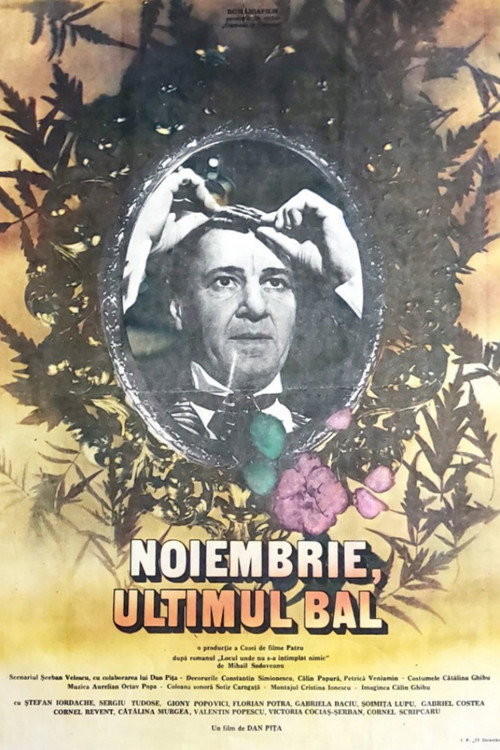
The Last Ball in November
1989
No user ratings available yet
Diversity score: 4.8 out of 10
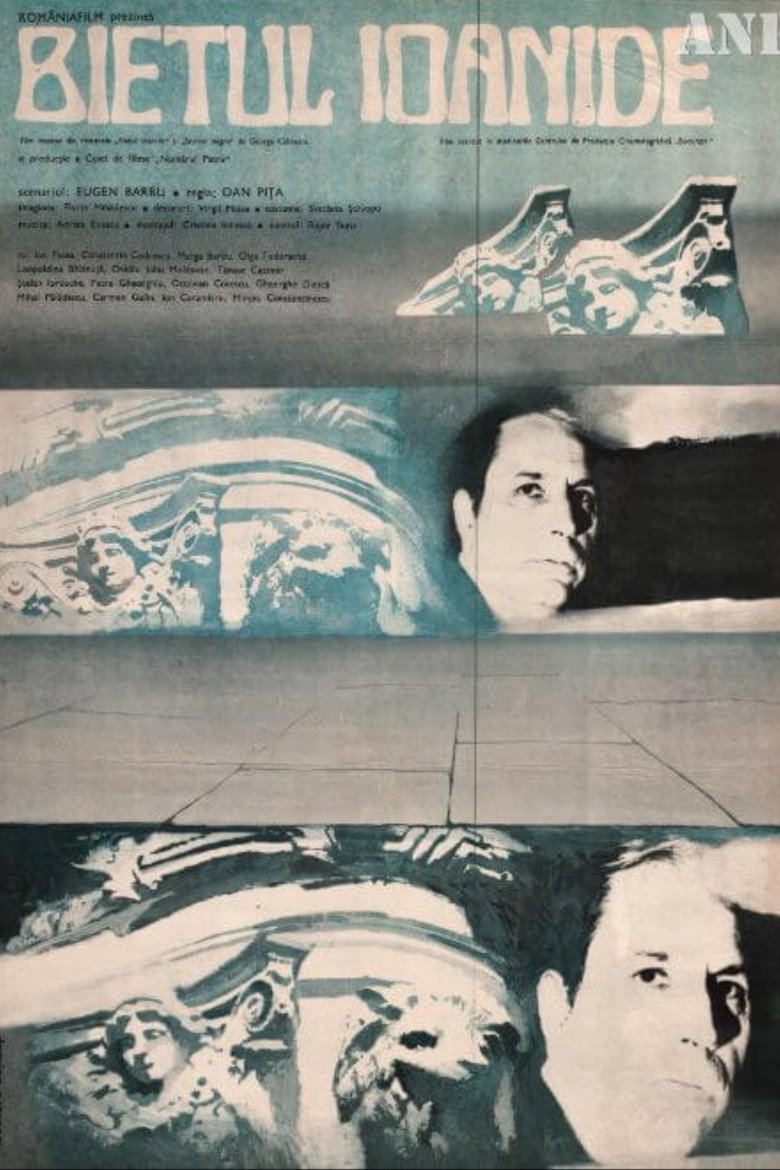
1980
Director
Dan Pița
Runtime
142 minutes
Average Rating
No ratings yetSynopsis
Ioanide, an apolitical and misunderstood artist who dreams of "things that are normal abroad but impossible here", led a difficult life as an architect under the old regime. After 1944, his situation improved thanks to the benevolence of an enlightened communist nicknamed Botticelli, whom he once hid from the police in the attic of his house. He receives commissions for large-scale cultural monuments, although he has "on file" the ballast of his children lost in the legionary adventure and continues to accept, in his entourage, a circle of sycophants from the former elite.
Overall Score
Limited
Category Breakdown
LGBTQ+ Representation
The film lacks any depiction of non-cisnormative identities or same-sex intimacy. The narrative focuses on professional struggles and political navigation, leaving sexual identity unaddressed.
Gender Representation
Women function largely as background elements within domestic or aristocratic spheres. The film reflects period-typical social hierarchies with little subversion of traditional gendered agency.
Racial & Ethnic Diversity
The cast aligns with the ethnic demographics of the Romanian setting. While historically realistic, the film does not actively seek to include diverse ethnic identities.
Religious & Cultural Diversity
The story offers a nuanced critique of corrupt power structures and political institutions. It presents a complex, non-binary view of ideologies rather than a simple moral endorsement.
Disability Representation
There is no significant evidence of characters with visible or invisible disabilities. The narrative focus remains on socioeconomic and political tensions.
Strengths
Areas for Improvement
AI Analysis
Poor Ioanide is a period drama that prioritizes historical realism and political critique over intersectional representation. It succeeds in deconstructing institutional corruption and avoiding simplified moral hierarchies. However, the film remains tethered to traditional social and gendered structures. The narrative explores systemic dysfunction and individual struggle against a corrupt establishment rather than promoting diverse demographic identities.
1989

1983
1970

1998
1980
1991
1968

2005

1994
1941
1990

1974
No reviews yet. Be the first to share your thoughts on this movie!
Use the rating form above to leave a star rating and optional review.