The Phantom of the Opera
1998
No user ratings available yet
Representation score: 3.5 out of 10
Representation Score
Limited
1989
RDirector
Dwight H. Little
Runtime
93 minutes
Average Rating
No ratings yetNew Showbiz Analysis
This 1989 adaptation of the classic Gothic tale emphasizes traditional genre conventions over social complexity. The film adheres closely to the demographic and social structures of its period, providing a straightforward interpretation of the source material. The narrative structure relies on a heterosexual romantic triangle and a homogeneous cast. Although the Phantom's disfigurement is crucial to the plot, it is used mainly to create horror rather than to explore the experience of disability. Overall, the film functions as a character-driven study of individual obsession, lacking the depth needed to address broader social and gender dynamics.
Category Breakdown
The film follows a strictly heterosexual and cisgender framework. There is no queer subtext or representation of non-cisgender identities in the central romantic storyline.
The story reinforces traditional gender roles through a passive female protagonist. Christine lacks significant control over her own fate, being dominated by the Phantom's obsession.
The cast is predominantly white and European, reflecting the demographic norms of the period and the Gothic literary tradition. There is no diverse casting.
The story centers on individual obsession within a Western Gothic context. It avoids broader critiques of religion or institutions, focusing instead on the personal struggles of the characters.
The Phantom's disfigurement serves as a typical horror cliché rather than a nuanced depiction of disability. His appearance is primarily symbolic of monstrosity.
Present on Screen
Limited or Absent
Official Synopsis
An aspiring opera singer finds herself transported back to Victorian-era London -- and into the arms of a reclusive, disfigured maestro determined to make her a star.
1998
1925
2001
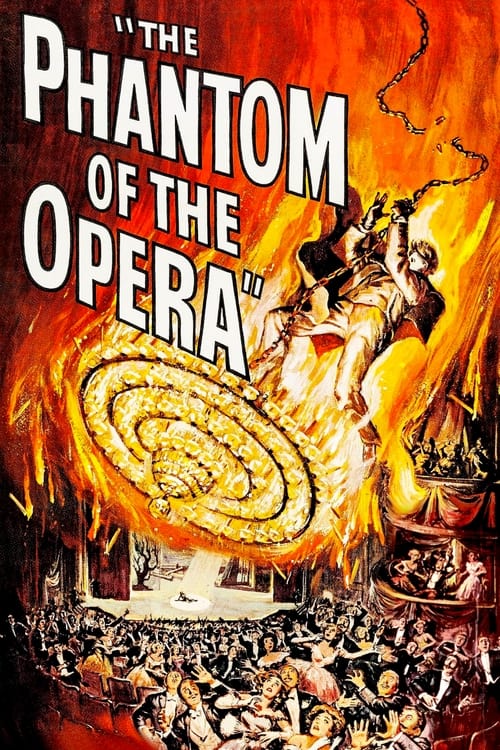
1962
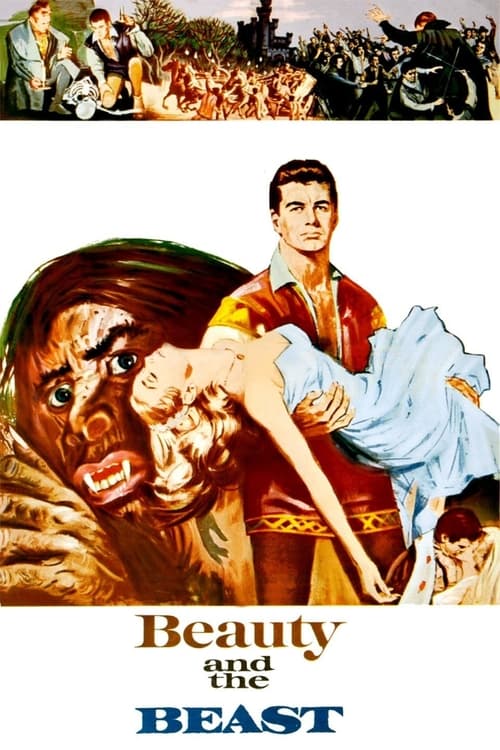
1962
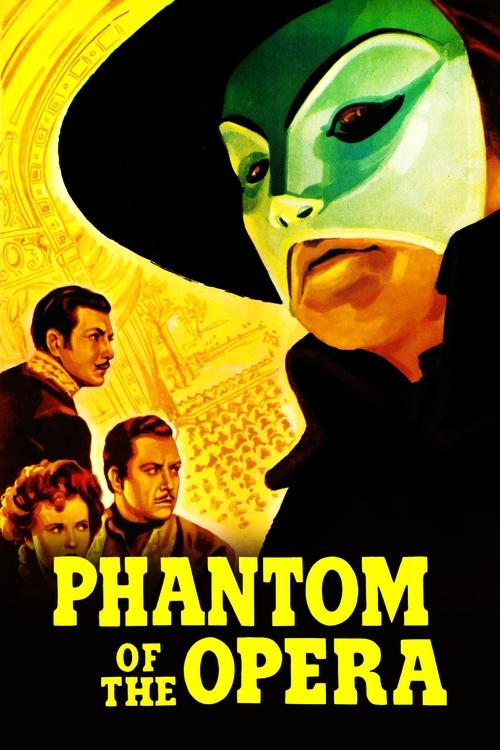
1943
1992
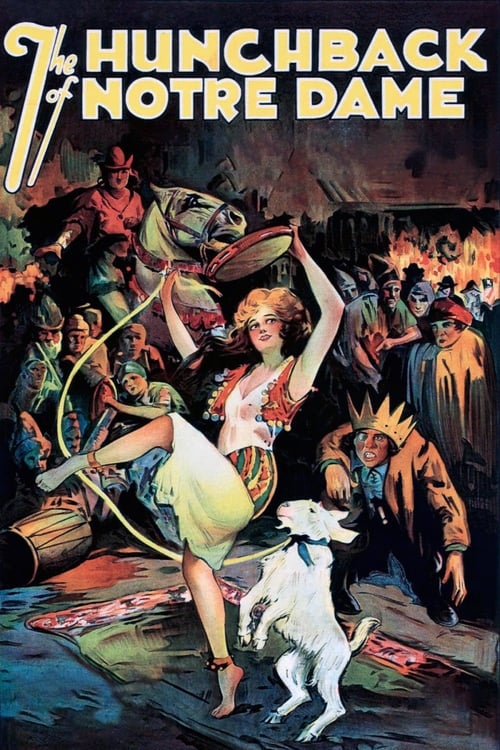
1923
No reviews yet. Be the first to share your thoughts on this movie!
Use the rating form above to leave a star rating and optional review.