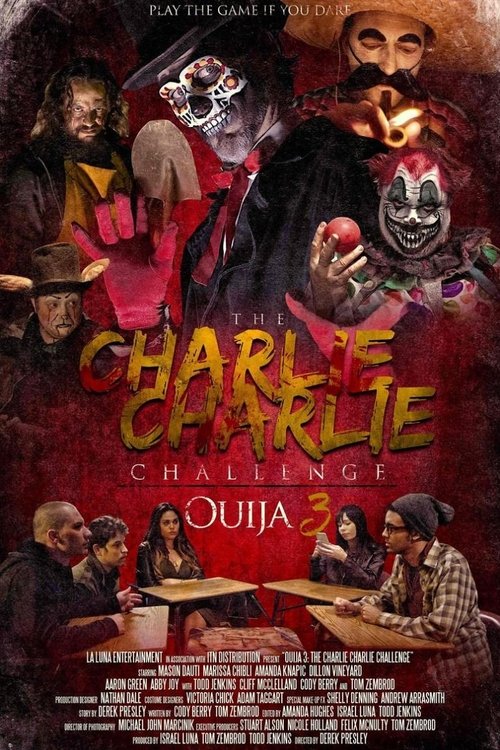
Ouija 3: The Charlie Charlie Challenge
2016
No user ratings available yet
Diversity score: 3.0 out of 10
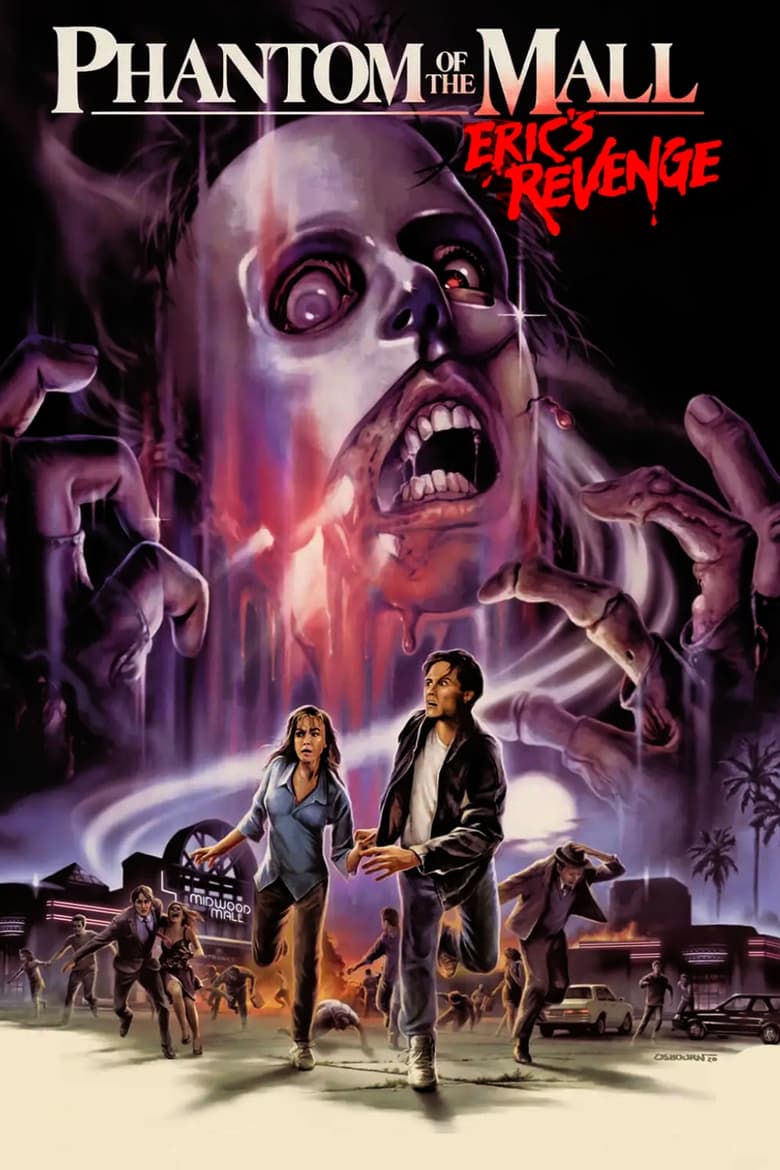
1989
RDirector
Richard Friedman
Runtime
91 minutes
Average Rating
No ratings yetSynopsis
A young man named Eric apparently dies in a suspicious house fire after saving his girlfriend, Melody. One year later, a new mall is constructed atop where Eric's house once stood, where a shadowy, uninvited guest is preying on the mall's crooked developers.
Overall Score
Limited
Category Breakdown
LGBTQ+ Representation
The film focuses on a traditional heterosexual romance between Eric and Melody. It offers no queer narratives or non-cisnormative identities, adhering to the heteronormative standards of the late-80s slasher genre.
Gender Representation
Melody is positioned as a vulnerable figure requiring protection, while Eric exerts agency through violence. Female characters like Susie primarily serve as targets or catalysts for the male lead's actions.
Racial & Ethnic Diversity
The cast includes Ken Foree, providing some racial integration. However, the narrative centers on a predominantly white cast within a suburban setting, with limited agency for characters of color.
Religious & Cultural Diversity
The story critiques corporate greed and crooked developers through an anti-capitalist lens. However, it lacks engagement with secularism or the deconstruction of Western institutions, focusing instead on individual vengeance.
Disability Representation
The protagonist's physical disfigurement is used as a horror trope to signal his status as a monster. The film treats physical difference as a source of dread rather than exploring agency.
Strengths
Areas for Improvement
AI Analysis
This 1989 slasher follows a formulaic structure typical of its era, prioritizing genre tropes over social commentary. The narrative relies heavily on established archetypes, such as the protective male protagonist and the vulnerable female lead. While the film offers a minor critique of corporate expansionism and the greed of developers, it remains focused on individualistic vengeance. It lacks the intentionality needed to challenge social hierarchies or provide meaningful intersectional representation. Ultimately, the film functions as a standard genre piece that reinforces conventional gender roles and uses physical difference primarily as a visual marker for horror.
2016
2013
1995
2006
2011
2018

1987
2017
2011
2022
2005
2011
No reviews yet. Be the first to share your thoughts on this movie!
Use the rating form above to leave a star rating and optional review.