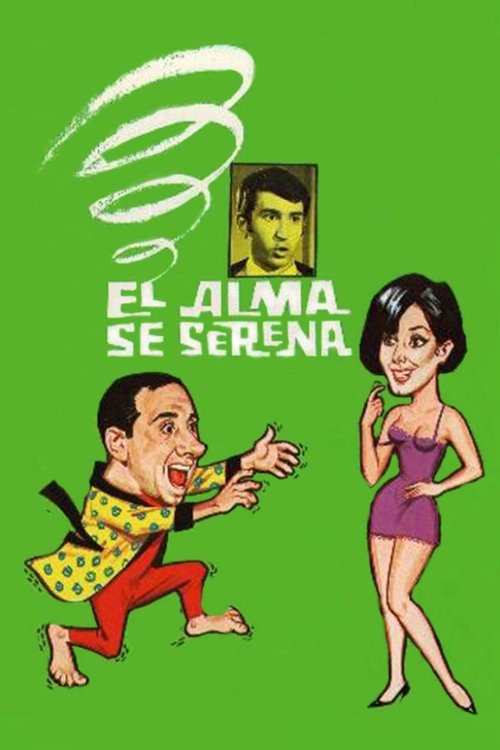
El alma se serena
1970
No user ratings available yet
Representation score: 2.0 out of 10

Representation Score
Minimal
1971
Director
José Luis Sáenz de Heredia
Runtime
98 minutes
Average Rating
No ratings yetNew Showbiz Analysis
La decente is a product of the late Francoist period in Spain, which significantly shaped its narrative structure. The film adheres to the formal constraints of its era, emphasizing established social hierarchies and conventional storytelling over challenging broader societal norms. Given the alignment with the traditionalist standards of the time, the film lacks representation of diverse identities. It emphasizes religious morality and the traditional family unit, rather than addressing a range of underrepresented perspectives.
Category Breakdown
The film does not include any representation of LGBTQ+ identities. It follows the strict social norms of 1971 Spain, offering no critique of the assumption that everyone is straight or cisgender.
The narrative likely reinforces traditional gender roles and male-dominated hierarchies. There is no indication of women challenging social norms or breaking from traditional expectations.
The cast appears to be homogeneous, reflecting the demographics of Spain during that time. The film centers on a Western, Eurocentric social framework.
Themes likely align with traditional Western institutions and religious morality. The film lacks any secularist or anti-institutional critiques that would challenge the status quo.
There is no available information regarding the portrayal of physical or neurodivergent characters. No specific details are present in the record.
Present on Screen
Limited or Absent
1970
1971
1966

1967
1971
1972
1971
1977
No reviews yet. Be the first to share your thoughts on this movie!
Use the rating form above to leave a star rating and optional review.