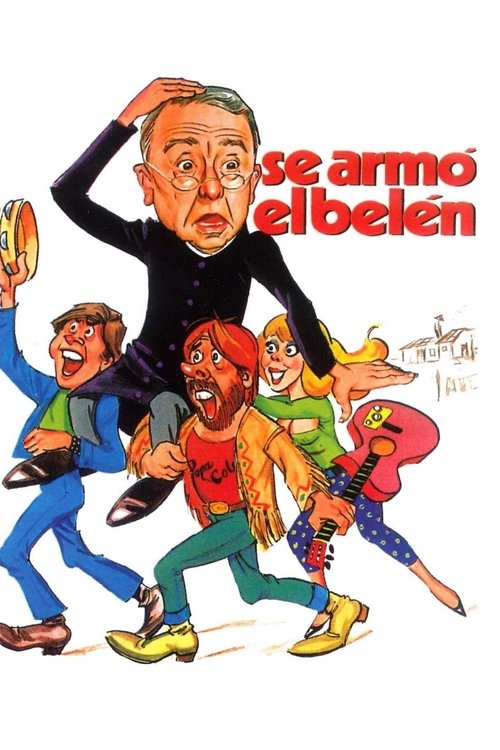
¡Se armó el belén!
1969
No user ratings available yet
Representation score: 1.3 out of 10
Representation Score
Limited
1964
Director
Miguel M. Delgado
Runtime
130 minutes
Average Rating
No ratings yetNew Showbiz Analysis
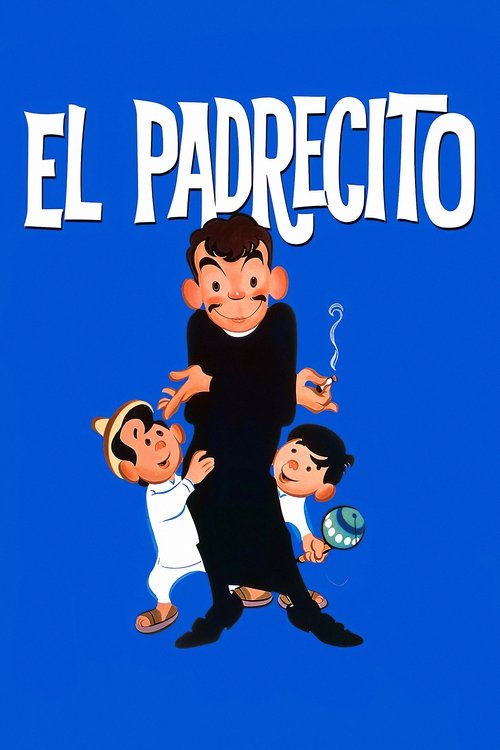
El padrecito is a traditional community comedy that relies on mid-century social structures. Although it lacks modern characters who reflect more than one aspect of diversity, it provides a nuanced look at social responsibility through the protagonist's reformist actions. The film's strength lies in its culturally specific perspective and its critique of institutional stagnation. By positioning the priest as a facilitator of social equity, the narrative moves away from rigid religious traditions. However, the film remains confined by its reliance on traditional male clichés. The protagonist's role as a physical protector and the absence of gender diversity keep the work within a conservative framework.
Category Breakdown
The film adheres to the traditional social structures of 1960s Mexico and does not include any LGBTQ+ characters or narratives related to non-straight identities.
The story focuses on a male-dominated hierarchy, particularly the rivalry between two male priests. The protagonist drives the plot through physical feats like bullfighting, while female characters are absent from positions of authority.
Set in a Mexican parish, the film presents a culturally specific, non-Anglo-Saxon perspective centered around a Mexican community.
The story challenges religious hierarchies by portraying a reformist priest against established clergy. The protagonist's use of the collection plate to redistribute wealth critiques concentrated capital.
The film does not feature any characters with visible or invisible disabilities.
Present on Screen
Limited or Absent
Official Synopsis
Young priest Father Sebastián is assigned to a parish in San Jeronimo el Alto, where he is not welcomed by the community, particularly the resident priest Father Damián. The newcomer gradually earns the trust of the people through humor, but firmly captures their hearts by saving the town fiesta by fighting a bull when the hired torero failed to show. Father Sebastián counsels the townspeople, lecturing them on their duties in a modern society. He used the collection plate to redistribute the town's wealth more evenly.
1969
1952
1971
1976

1965

1957

1969
1952
No reviews yet. Be the first to share your thoughts on this movie!
Use the rating form above to leave a star rating and optional review.