
La decente
1971
No user ratings available yet
Representation score: 2.0 out of 10
Representation Score
Minimal
1966
Director
José Luis Sáenz de Heredia
Average Rating
No ratings yetNew Showbiz Analysis
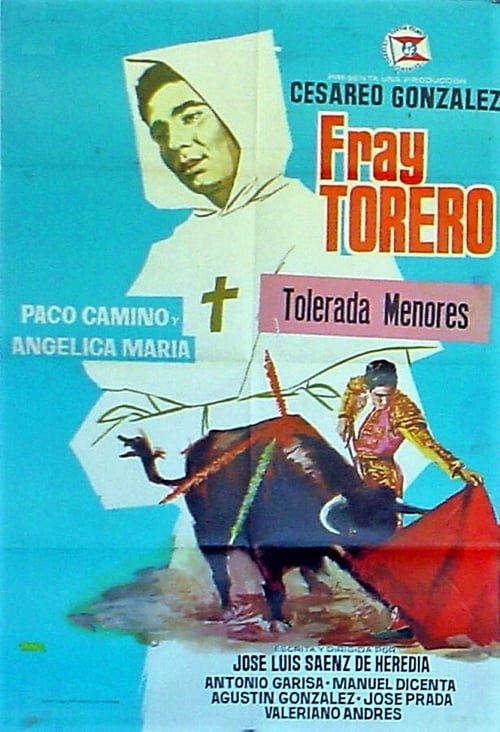
Fray Torero is a period-specific comedy that prioritizes traditional social and religious structures. While it provides an authentic regional setting through its Mexican backdrop and Hispanic cast, the film remains firmly rooted in the conservative norms of its era. The narrative focuses on masculine spheres, emphasizing the tension between religious duty and secular passion within male-dominated institutions. This focus limits the presence of women's ability to drive the story and diverse social perspectives. Ultimately, the film functions as a character study within established hierarchies. It lacks the complexity or deconstruction of institutional power necessary to reflect a broader range of human experiences.
Category Breakdown
The film doesn't include any LGBTQ+ characters or themes. It stays within the traditional social norms of the 1960s.
The story focuses on male-dominated institutions like the priesthood and bullfighting. Female characters don't drive the plot, and traditional gender roles are not challenged.
Set in Mexico with a primarily Hispanic cast, the film offers authentic regional representation. However, race isn't used as a central driver of the story or explored in depth.
The narrative is deeply rooted in Catholic Church and bullfighting traditions. It operates within established moral hierarchies without critiquing these institutions.
The film doesn't include any characters with visible or invisible disabilities. There are no characters with disabilities in the story.
Present on Screen
Limited or Absent
1971
1970
1971

1967
1963
1960
1988
1966
No reviews yet. Be the first to share your thoughts on this movie!
Use the rating form above to leave a star rating and optional review.