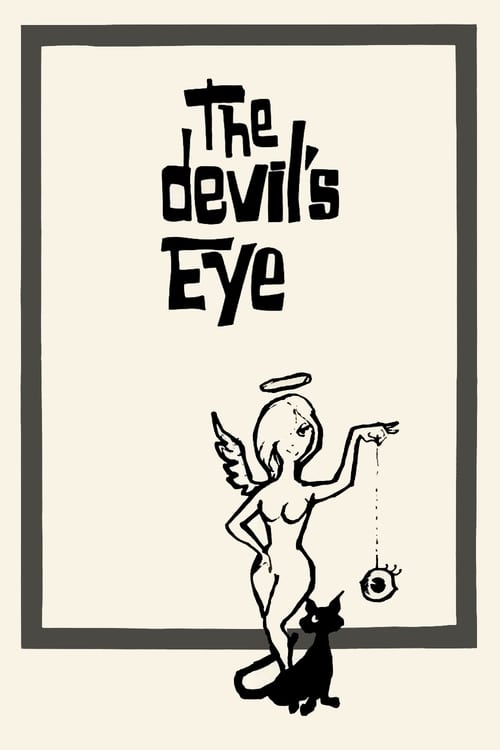
The Devil's Eye
1960
No user ratings available yet
Representation score: 4.5 out of 10
Representation Score
Minimal
1965
Not RatedDirector
Luis Buñuel
Runtime
45 minutes
Average Rating
No ratings yetNew Showbiz Analysis
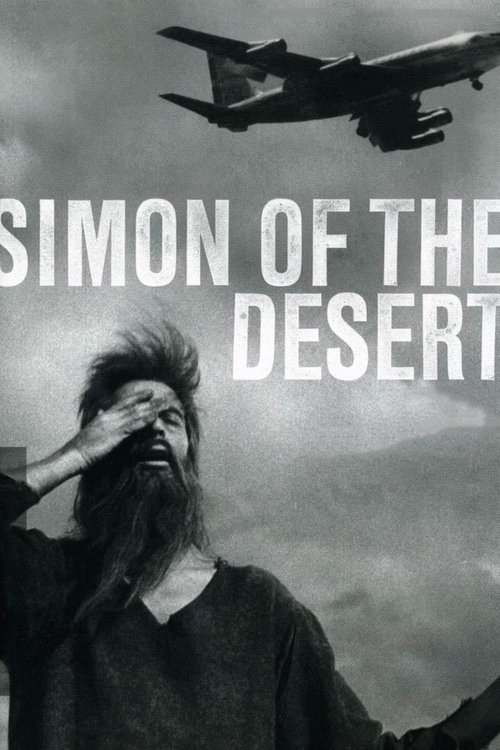
Simon of the Desert focuses on deconstructing religious grand narratives rather than exploring contemporary identity politics. It emphasizes disrupting sacred institutions over diverse casting. The film performs poorly in traditional demographic categories like race, gender, and LGBTQ+ representation. It uses archetypal figures and a minimalist, homogeneous setting that lacks diversity. However, the film excels in culturally subverting traditional religious structures. By presenting extreme spiritual devotion as an absurd struggle, it questions the effectiveness of religious dogma and societal norms.
Category Breakdown
The film does not include any visible LGBTQ+ characters or non-cisgender identities. The story centers solely on the protagonist's typical struggle.
Women appear mainly as temptresses, though the film does not reinforce subservience. However, it relies on the femme fatale stereotype, which restricts female roles.
Set in the 4th century, the film features a homogeneous cast with no multi-ethnic representation. The production presents a uniform, archetypal depiction of the time period.
Buñuel effectively challenges religious doctrines through surrealism. The film portrays the pursuit of sanctity as an absurd and futile ritual.
The film does not depict any physical or neurodivergent disabilities as central plot devices or character traits.
Present on Screen
Limited or Absent
Official Synopsis
Simon, a deeply religious man living in the 4th century, wants to be nearer to God so he climbs a column. The Devil wants him come down to Earth and is trying to seduce him.
1960
1962
1965
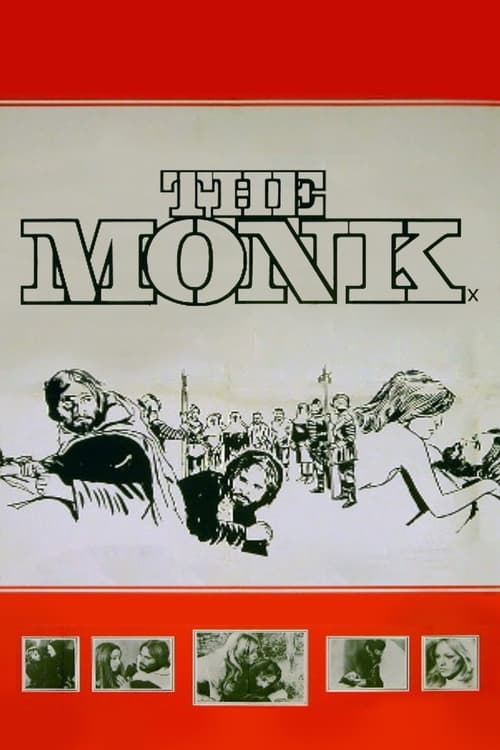
1972
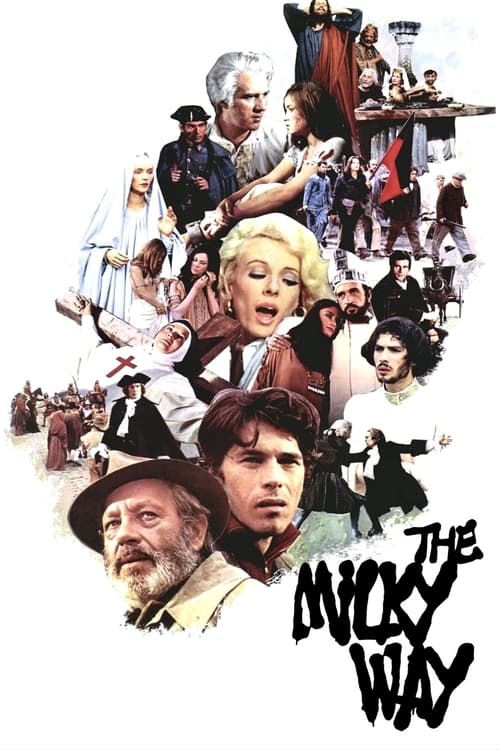
1969

1948
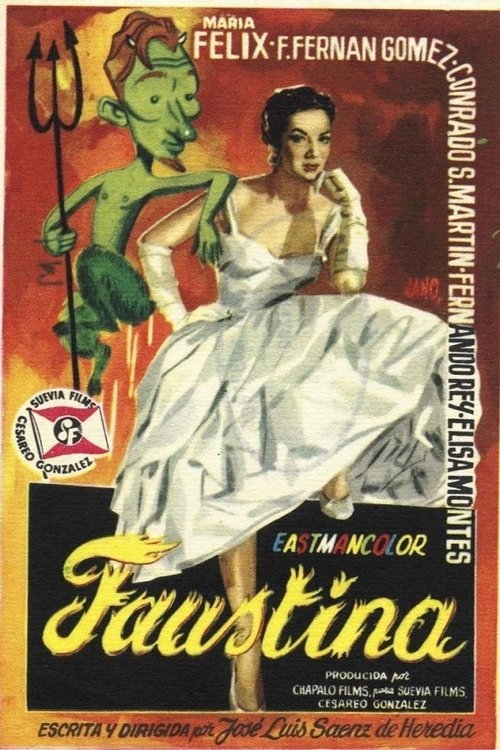
1957
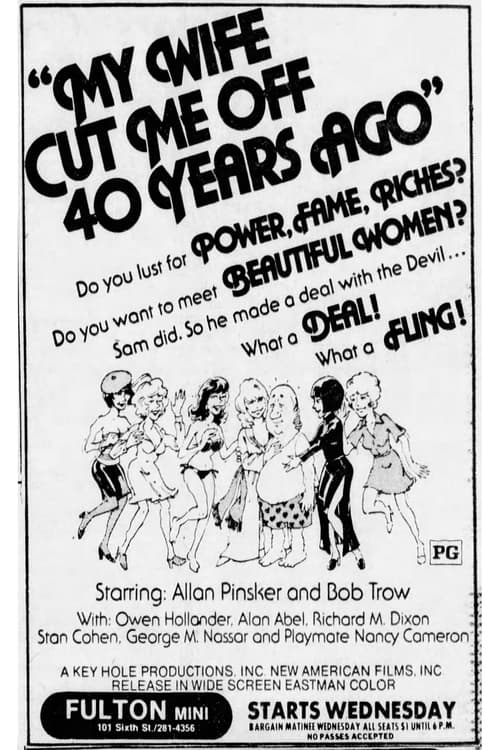
1976
No reviews yet. Be the first to share your thoughts on this movie!
Use the rating form above to leave a star rating and optional review.