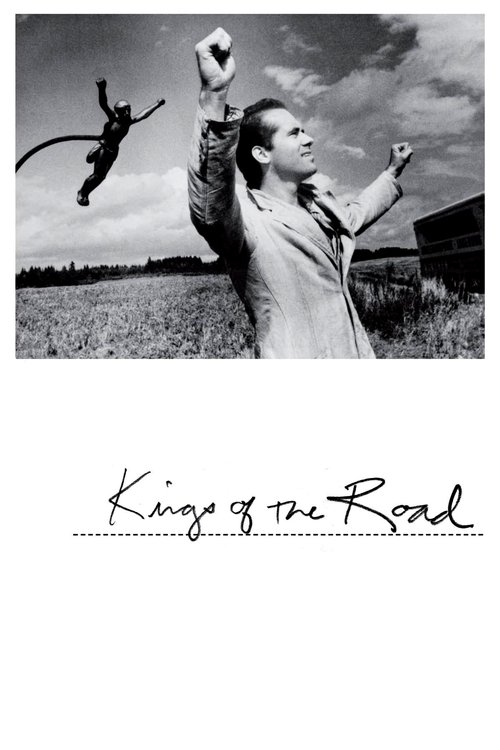
Kings of the Road
1976
No user ratings available yet
Diversity score: 3.6 out of 10
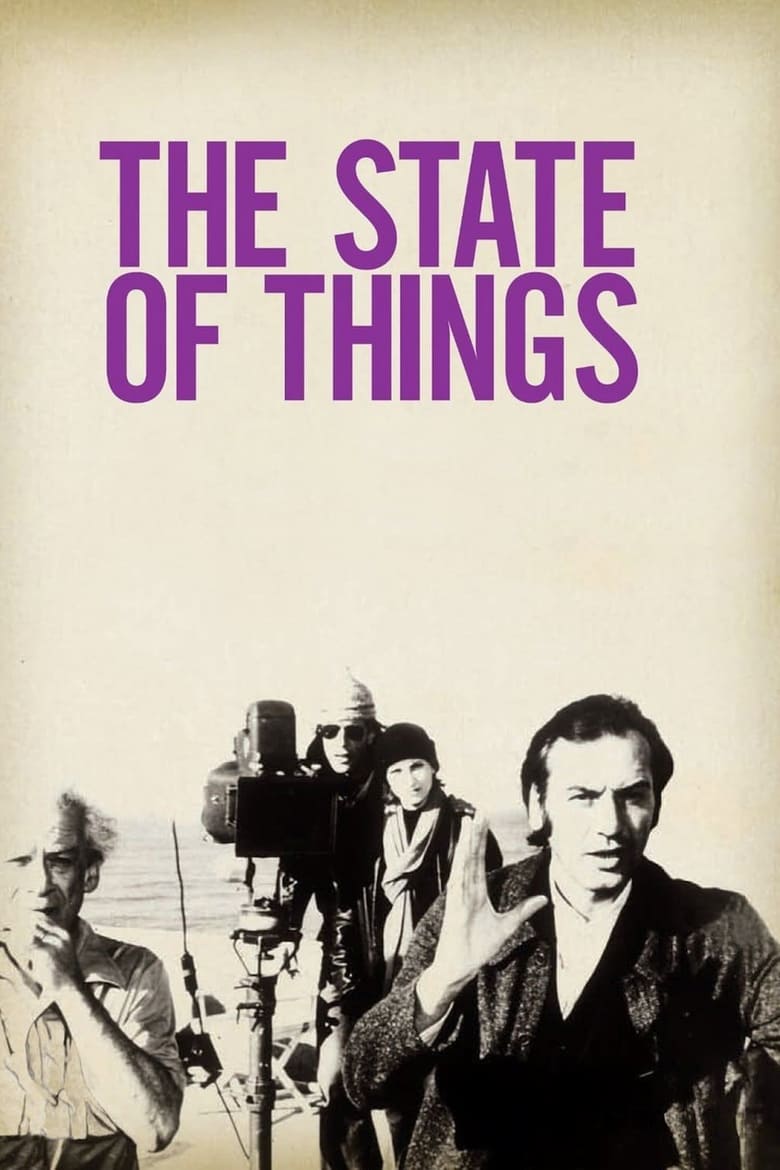
1982
Director
Wim Wenders
Runtime
121 minutes
Average Rating
No ratings yetSynopsis
On location in Portugal, a film crew runs out of film while making their own version of Roger Corman's The Day the World Ended (1956). The producer is nowhere to be found and director Munro attempts to find him in hopes of being able to finish the film.
Overall Score
Fair
Category Breakdown
LGBTQ+ Representation
The film focuses on a central heterosexual pairing. It does not engage with queer identities or non-cisnormative frameworks, reflecting a focus on conventional domestic stagnation.
Gender Representation
Wenders subverts traditional hierarchies by depicting a relationship defined by emotional detachment. Neither character serves as a pillar of authority, suggesting a departure from patriarchal structures.
Racial & Ethnic Diversity
The cast and setting are predominantly white and European. The narrative lacks racial or ethnic intersectionality, operating within a highly specific, homogeneous cultural context.
Religious & Cultural Diversity
The film critiques Western institutional stability through social atomization. It embraces moral relativism and a postmodern skepticism of established religious or patriotic anchors.
Disability Representation
There are no prominent depictions of physical or neurodivergent disabilities that drive the plot or serve as central character traits.
Strengths
Areas for Improvement
AI Analysis
Wim Wenders' film is a postmodern meditation on alienation that prioritizes subjective experience over traditional plot. While it lacks demographic breadth, it excels in deconstructing social norms. The film's strength lies in its intellectual depth and its ability to challenge capitalist and institutional structures. It moves away from stable moral imperatives to explore human connection in flux. However, the work remains culturally homogeneous. The absence of LGBTQ+ representation and racial intersectionality limits its scope to a specific, localized European malaise.
1976

1974
1975

1975

1975

1982

1997

1979

1969
2000

2018

2010
No reviews yet. Be the first to share your thoughts on this movie!
Use the rating form above to leave a star rating and optional review.