Confession
1968
No user ratings available yet
Representation score: 2.1 out of 10
Representation Score
Fair
2018
Director
Kazuya Shiraishi
Runtime
119 minutes
Average Rating
No ratings yetNew Showbiz Analysis
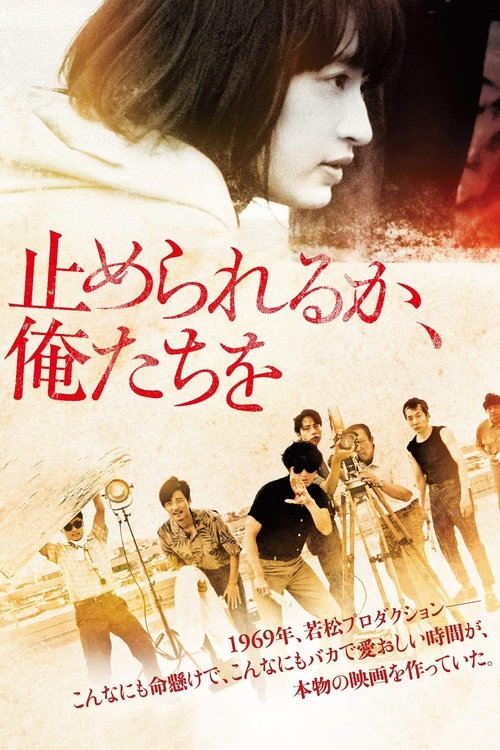
Dare to Stop Us is a period piece centered on the counter-cultural energy of Wakamatsu Production in 1969. It portrays a collective of young creators disrupting the social and cinematic status quo of the era. The film's primary strength lies in its focus on a female protagonist within a high-intensity, male-dominated professional sphere. It explores anti-establishment themes and the deconstruction of mainstream social expectations. Additionally, it provides a nuanced look at a specific, historically transgressive Japanese subculture. However, the film remains culturally homogeneous and lacks explicit representation of LGBTQ+ identities or disability. It functions more as a study of historical subculture rather than a showcase of modern multi-layered diversity.
Category Breakdown
The film is set in the transgressive world of 1969 Pink film production, which naturally challenges traditional assumptions about sexuality. However, there is no explicit depiction of specific LGBTQ+ identities or romantic relationships.
Megumi Yoshizumi is a central female protagonist who navigates a high-intensity, male-dominated industry. She plays a significant role in driving the story, challenging traditional submissive portrayals of women.
As a localized historical drama, the film focuses on a specific Japanese cultural context. It lacks multi-ethnic blending, reflecting the homogeneous nature of the setting.
The narrative emphasizes anti-establishment themes and creative rebellion. It prioritizes social fluidity and subjective experience over traditional family or religious structures.
There is no documented evidence regarding the portrayal of physical or neurodivergent disabilities in this production.
Present on Screen
Limited or Absent
Official Synopsis
In Spring 1969, 21-year-old Megumi Yoshizumi goes to Wakamatsu Production. The company makes films popular with young people. Pink film director Koji Wakamatsu gathers there with young talented people who are all fascinated with movie making. When they are not making movies, they spend their time smoking, drinking alcohol, scouting for actresses and looking for material for their next film. When filming begins, everybody immerses themselves into the production and will do everything on the filming set from running, shouting to acting.
1968

1956
1964
1969
2021
2018

1990
1977
No reviews yet. Be the first to share your thoughts on this movie!
Use the rating form above to leave a star rating and optional review.