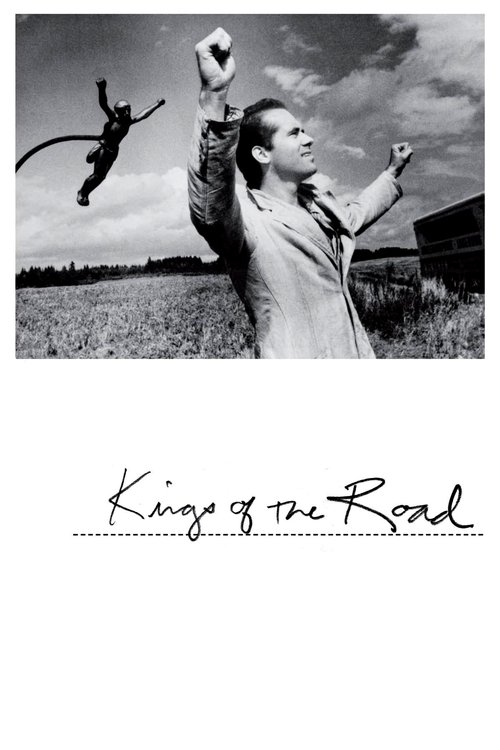
Kings of the Road
1976
No user ratings available yet
Representation score: 4.2 out of 10
Representation Score
Fair
1974
Not RatedDirector
Wim Wenders
Runtime
110 minutes
Average Rating
No ratings yetNew Showbiz Analysis
Wim Wenders' film explores existential alienation rather than demographic representation. It prioritizes the psychological fragmentation of its characters over diverse identity representation. The work successfully challenges traditional social structures and gendered expectations, yet it remains a predominantly homogeneous European narrative lacking in racial, sexual, or disability-based diversity.
Category Breakdown
The film does not include any LGBTQ+ characters or explore non-cisgender identities. It centers on a transient relationship between a man and a child, avoiding any exploration of sexual or gender identity.
The narrative challenges traditional masculine roles by presenting a protagonist defined by emotional paralysis rather than active masculinity. While it avoids reinforcing submissive femininity, it does not significantly elevate female intellect.
The cast is primarily made up of a homogeneous European group. The story focuses on the psychological interiority of characters within a post-war European context, lacking diverse racial representation.
The film emphasizes secular themes and critiques Western institutions. It highlights the breakdown of social communication by focusing on drifters and the instability of capitalist systems.
The film does not prominently depict physical or neurodivergent disabilities. The protagonist's writer's block is portrayed as an existential condition rather than a specific disability.
Present on Screen
Limited or Absent
Official Synopsis
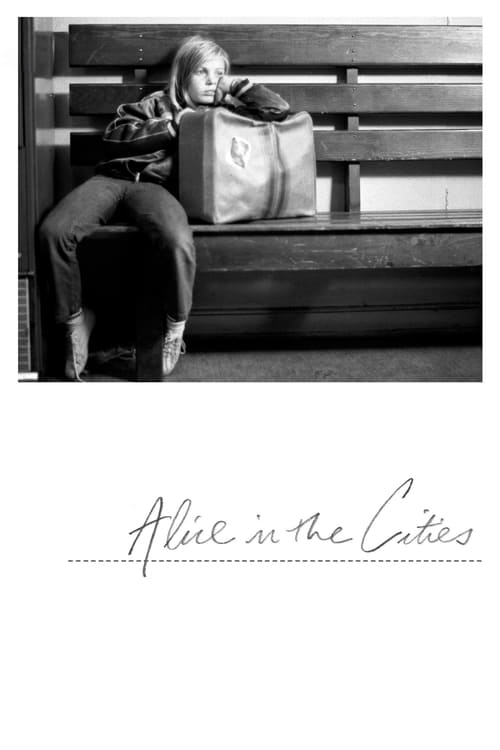
German journalist Philip Winter has a case of writer’s block when trying to write an article about the United States. He decides to return to Germany, and while trying to book a flight, encounters a German woman and her nine year old daughter Alice doing the same. The three become friends (almost out of necessity) and while the mother asks Winter to mind Alice temporarily, it quickly becomes apparent that Alice will be his responsibility for longer than he expected.
1976

1977
1975

1994
1975
1999
1982

2014
No reviews yet. Be the first to share your thoughts on this movie!
Use the rating form above to leave a star rating and optional review.