
Man of Marble
1977
No user ratings available yet
Diversity score: 4.3 out of 10

1969
Director
Andrzej Wajda
Runtime
105 minutes
Average Rating
No ratings yetSynopsis
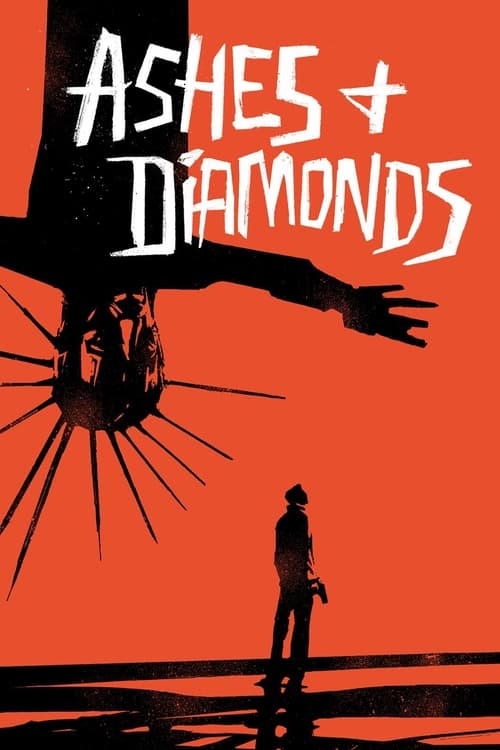
Wajda's homage to Zbigniew Cybulski, the "Polish James Dean" who starred in the director's ASHES AND DIAMONDS and died young. The movie follows the tribulations of a director attempting to make a movie with a Cybulski-like star who never shows up.
Overall Score
Fair
Category Breakdown
LGBTQ+ Representation
The film contains no documented evidence of LGBTQ+ characters or narratives. It does not address non-heteronormative identities within its historical context.
Gender Representation
The narrative focuses on a director's tribulations, reflecting the male-dominated industry hierarchies of the 1960s. However, Wajda's exploration of psychological fragmentation may subvert traditional masculine leadership.
Racial & Ethnic Diversity
As a Polish production centered on a domestic tribute, the cast appears to be a homogeneous European group. There is no evidence of significant non-European diversity.
Religious & Cultural Diversity
The film uses a meta-cinematic approach to disrupt traditional hero narratives. It prioritizes existential truth and critiques institutional structures over singular, traditional moralities.
Disability Representation
There is no visible evidence of characters with physical or neurodivergent disabilities serving as central narrative drivers in this work.
Strengths
Areas for Improvement
AI Analysis
Everything for Sale is a sophisticated piece of postmodern meta-commentary that prioritizes intellectual subversion over demographic breadth. It functions as a tribute to Zbigniew Cybulski while simultaneously critiquing the machinery of celebrity and the film industry itself. The film's strength lies in its narrative architecture, which challenges the stability of the leading man archetype. By focusing on the failure of the filmmaking process, Wajda deconstructs the sanctity of the cinematic icon. However, the work is limited by the demographic constraints of 1969 Poland. It lacks intersectional representation, focusing instead on a homogeneous European cast and traditional industry hierarchies.
1977
1996

2009
1970

1986
1958
1992
2005
1981
2011

1979
1975
No reviews yet. Be the first to share your thoughts on this movie!
Use the rating form above to leave a star rating and optional review.